When it comes to managing incontinence, selecting the best bed pads is crucial for ensuring comfort and hygiene. Buyers—such as purchasing managers, healthcare providers, and product managers—often seek reliable solutions that meet both performance and quality standards. This article will guide you through evaluating your options for bed pads, emphasizing essential specifications and best practices to make informed purchasing decisions.
Choosing the best bed pads for incontinence involves assessing several critical factors to ensure they meet your specific needs. Begin by evaluating the pad type—options include disposable and washable pads. Disposable pads are convenient for single-use scenarios, while washable pads offer a more sustainable solution for long-term use. For those looking for an effective disposable option, consider Kimlead underpads disposable incontinence pad bed pad.
Next, consider the absorbency level. Pads come in various absorbency ratings, designed to handle different volumes of fluid. This is particularly important for healthcare environments where patient comfort and skin integrity are paramount. Understand your specific requirements based on user needs, such as mobility levels and skin sensitivity.
Lastly, examine the size and fit of the bed pads. They should adequately cover the intended area while remaining compatible with the bedding and any additional protective covers. A well-fitting pad will help prevent leaks and ensure comfort during use. For added protection, you might want to explore options like waterproof reusable underpad 60x90 incontinence underpad.
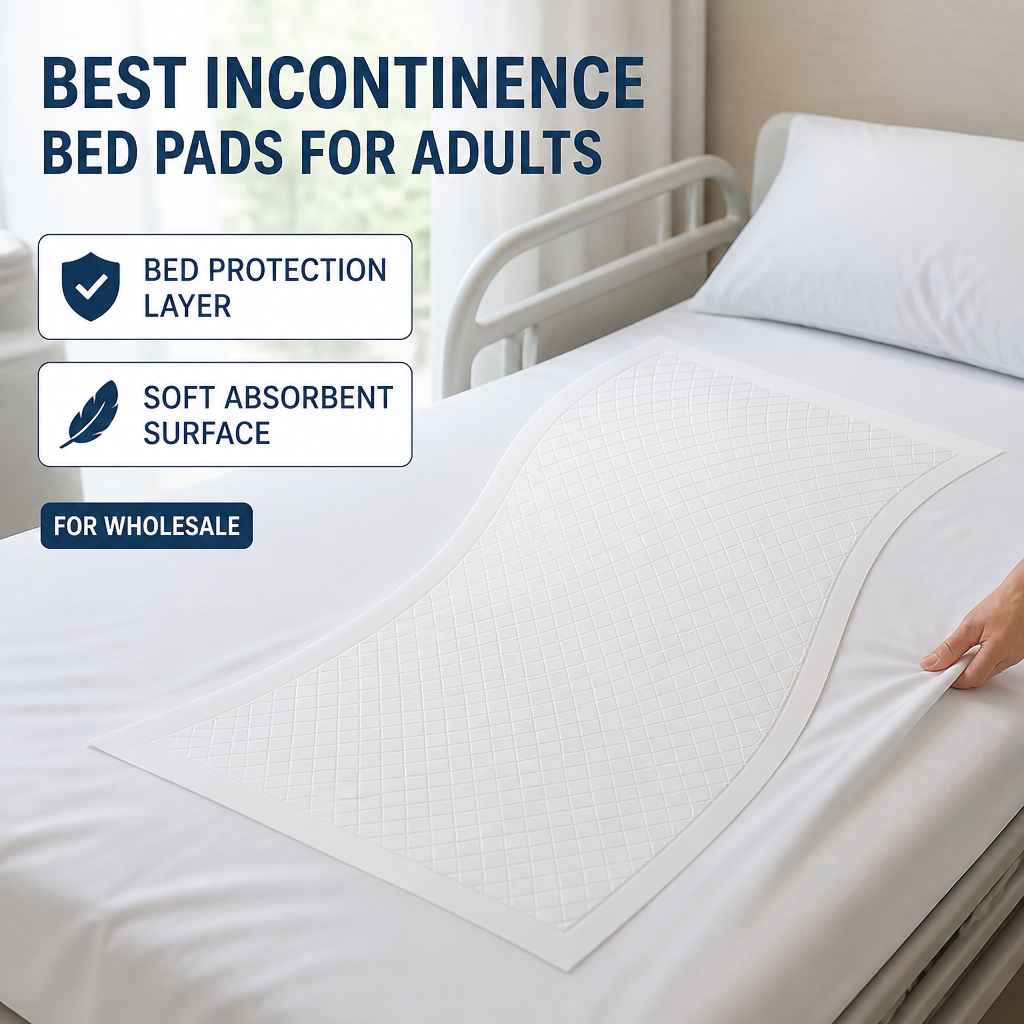
When selecting bed pads for incontinence, focus on the following characteristics:
Material Composition: Look for pads made from soft, breathable materials that wick moisture away from the skin to reduce the risk of irritation or infection. Materials such as non-woven fabrics and absorbent polymers are commonly used for their comfort and effectiveness.
Absorbent Core: The core of the pad should be designed to quickly absorb and lock away moisture. This feature is crucial for maintaining dryness and comfort. Review the specifications for the absorbent capacity and ensure that it aligns with the predicted usage.
Leak Protection: Ensure the pads have a waterproof backing to provide a barrier against leaks. This is especially important in medical settings where contamination control is critical.
Certifications: Check for compliance with relevant health and safety standards, such as ISO or other local certifications. This confirms that the products have undergone rigorous quality control processes.
Customization Options: If your requirements are unique, consider manufacturers that offer customization in size, absorbency, and material choices. This flexibility can be beneficial in addressing specific user needs.
Reliability in bed pads can be assured through several measures:
Quality Control Processes: Work with manufacturers like Kimlead Hygiene Products, which employ strict quality control measures throughout the production process. This can include material inspections, in-process quality checks, and final product testing to ensure specifications are met.
Supplier Reputation: Evaluate potential suppliers by researching their history in the market, client testimonials, and any industry certifications they hold. A reputable supplier is likely to deliver consistent quality and reliable service.
Sample Approval: Before placing a bulk order, request samples of the bed pads. Testing these samples under actual conditions will give you insights into their performance and suitability for your needs. Pay attention to factors like absorbency, comfort, and overall fit.
To ensure a successful procurement process for bed pads, consider the following best practices:
Define Your Requirements: Clearly outline your requirements regarding absorbency, size, material, and any customization needs. This will streamline the communication process with suppliers and help avoid misunderstandings.
Request Detailed Quotations: When seeking quotes, provide potential suppliers with detailed information about your expected order volume, delivery timelines, and any special packaging requirements. This will assist in obtaining accurate pricing and lead times.
Conduct a Cost-Benefit Analysis: While the initial price is important, consider the total cost of ownership, including durability, replacement frequency, and potential waste management costs associated with disposable pads.
Evaluate Delivery Terms: Discuss lead times and delivery methods with suppliers. Reliable delivery is crucial for maintaining stock levels, especially in healthcare settings where patient care is a priority.
Kimlead's Underpad can modify the appearance of products dimensions, function and appearance to meet the requirements of our customers. Our team collaborates closely with customers to ensure that the final product conforms to their specifications. We offer premium adult hygiene products and offer OEM and ODM services that are based on the clients' brand requirements. Our customization process includes everything from analysis of requirements, sampling production, mass production, and even delivery, ensures that every step is of the highest standard. If you select Kimlead You will receive professional services for customization that are tailored to your individual requirements.
Puppy dog pads has strict quality control procedures to make sure that each product meets the international standards. Our facility is equipped with a manufacturing laboratory as well as a robust quality monitoring system, conducting more than 30 kinds of tests. We adhere to international certification standards like ISO and CE and ensure the safety and quality of our products. We also carefully select our raw materials in order to ensure that each batch satisfies high quality standards. We don't only concentrate on the quality of our products, but we also ensure that we provide high-quality and safe hygiene products that give customers complete satisfaction. Kimlead products are of the highest grade and are in compliance with all standards.
Kimlead invests continuously in Adult diapers to ensure market competitiveness. Our RD team is committed to the creation of new technology, materials, and methods to meet constantly changing requirements of the market. We've independently created a range of biodegradable products, adhering to eco-friendly production practices with degradable materials and energy efficient designs. Innovations we develop do not just improve the performance of products and efficiency, but also encourage sustainability and eco-friendly. We continuously seek out breakthroughs and strive to offer the most sophisticated and best quality products to our customers. Kimlead is a company that seeks out innovation and excellence.
Puppy dog pads has over 15 years of experience in the production of high-end hygiene items. The factory, which covers 46,000 square meters, is outfitted with the latest equipment for production. For instance, Mitsubishi high-speed automatic production machines that are fully-servo, that can manufacture 200,000 products every day. Our production processes comply with international standards and are certified by CE and FDA. ISO13485 and ISO9001 also validate our products. Techmach's vision inspection system and tension system guarantee that every item is thoroughly scrutinized through more than 200 locations. Our manufacturing capabilities allow us to not just efficient production, but also meet massive orders and guarantee prompt delivery. If you select Kimlead you gain access to our manufacturing expertise and efficient manufacturing processes.
When budgeting for bulk orders of bed pads, several factors come into play:
Minimum Order Quantity (MOQ): Understand the MOQ set by manufacturers. Bulk purchasing often results in discounts, but ensure you can manage the inventory effectively.
Pricing Structure: Request a breakdown of pricing that includes unit costs, shipping fees, and any applicable taxes or tariffs. It’s also wise to inquire about potential price fluctuations based on material costs or demand.
Payment Terms: Discuss payment options and terms with suppliers. Negotiating favorable payment terms can ease cash flow and improve overall purchasing flexibility.
Long-term Contracts: If you anticipate ongoing needs, explore the option of long-term contracts with suppliers. This can secure pricing and ensure availability, reducing the risk of stock shortages.
By understanding these factors and following best practices, B2B buyers can confidently select the best bed pads for incontinence, ensuring that they meet both performance expectations and budget constraints.

Kimlead Hygiene mainly produces adult diaper, adult pull up diaper, under pad, pet training pad, and operating international OEM/ODM business.
 EN