Hospital bed underpads are essential products used in healthcare settings to provide protection for mattresses and bedding from moisture and soiling, ensuring patient comfort and hygiene. For B2B buyers, including purchasing managers and healthcare administrators, key concerns revolve around product quality, cost-effectiveness, and the suitability of underpads for specific applications. This article will address critical factors to consider when selecting hospital bed underpads, including supplier reliability, cost considerations, potential problems, and ideal applications in healthcare environments.
When selecting hospital bed underpads, several specifications and features are critical to ensuring functionality and effectiveness.
Material Composition: Underpads are typically made from materials like non-woven fabrics, polyethylene, or absorbent cores. It’s important to choose materials that offer appropriate moisture-wicking properties to keep the patient comfortable while protecting the bedding.
Absorbency Level: Different underpads offer varying levels of absorbency, which is crucial depending on the patient’s needs. For example, patients with incontinence may require higher absorbency to prevent leakage and maintain skin integrity. For those in need of high-absorbency products, consider options like Kimlead Adult Diapers.
Size and Dimensions: Underpads come in various sizes. It’s essential to select dimensions that fit well on the hospital beds in use, as improper sizing can lead to inadequate coverage and increased risk of soiling.
Backsheet Material: The backing of the underpad should be waterproof to prevent moisture from seeping through to the mattress. Look for underpads with a sturdy, yet soft, backing material that also provides slip resistance.
Durability: Assess the durability of the underpads, especially if they will be used in high-turnover environments. Products that tear or wear easily can lead to increased costs and compromised hygiene.
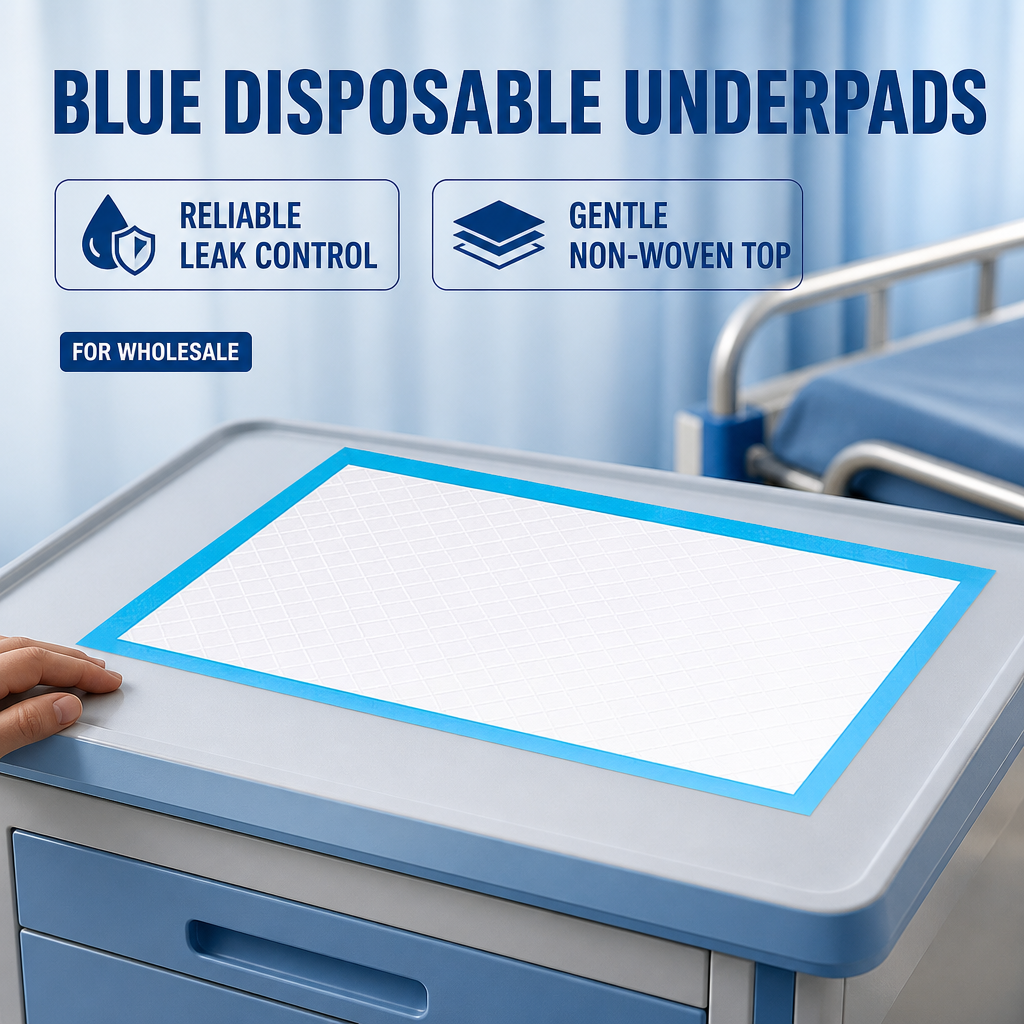
Finding reputable suppliers for hospital bed underpads involves researching companies that specialize in medical hygiene products. Consider the following avenues:
Industry Trade Shows: Attend healthcare and medical supply trade shows to connect directly with manufacturers and suppliers. This face-to-face interaction can help establish trust and provide insights into product quality.
Online Marketplaces and Directories: Utilize B2B platforms like Alibaba, ThomasNet, and Medica to find suppliers. Look for companies with strong ratings, positive reviews, and a solid history of delivering medical products.
Referrals: Seek recommendations from peers in the healthcare industry. Colleagues can share their experiences with specific suppliers and help narrow down your options.
Manufacturer Websites: Visit manufacturer websites like Kimlead Hygiene Products, which specializes in adult hygiene products, including hospital bed underpads. Look for detailed product information, certifications, and customization options that align with your specific needs. For example, their disposable underpads are worth considering.
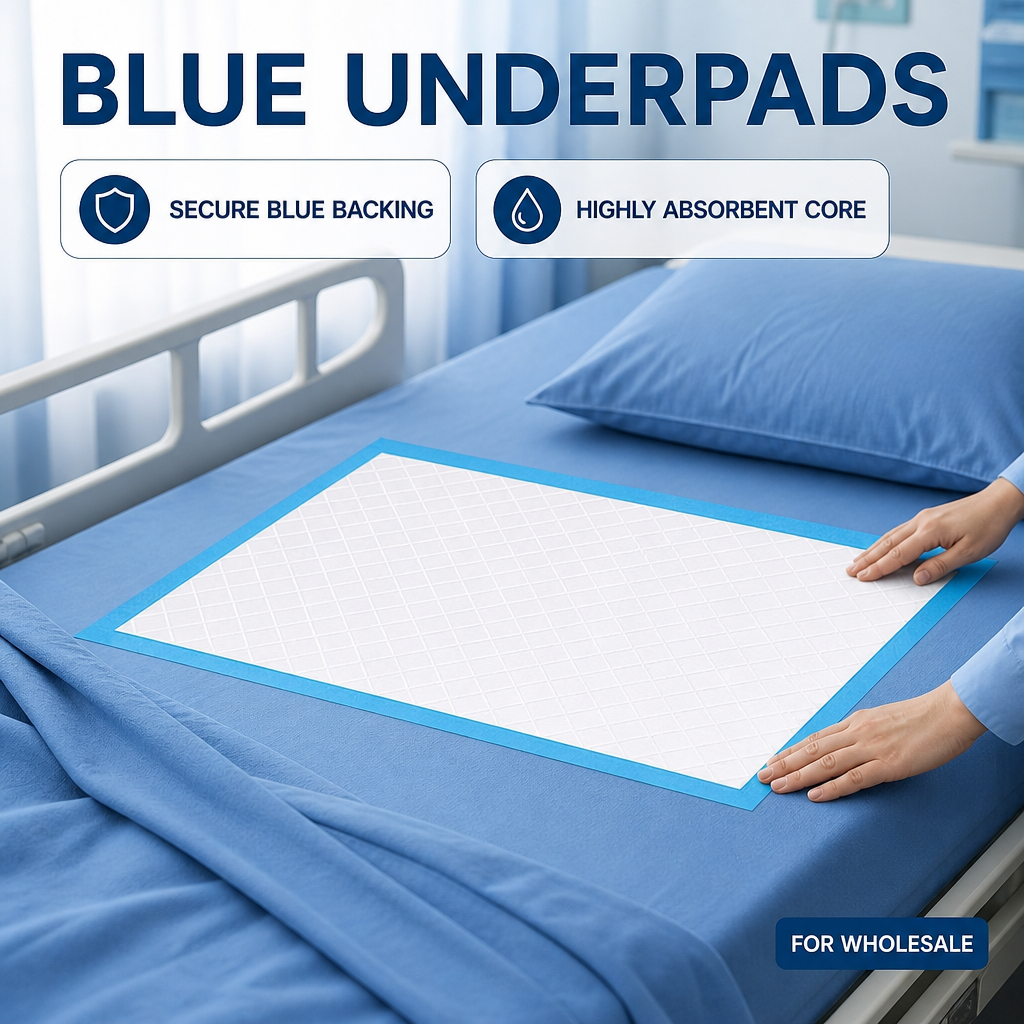
Bulk purchasing of hospital bed underpads can offer significant cost savings, but several factors affect pricing:
Volume: Higher order quantities often lead to discounted pricing. Consider your facility’s needs to determine the appropriate order size.
Material and Specifications: The choice of materials directly influences cost. Higher absorbency or specialized materials may come at a premium. Ensure that the selected material meets your performance requirements without exceeding budget constraints.
Customization Requirements: If you require customized features, such as branding or specific dimensions, this may increase costs. Discuss these needs with your supplier early in the negotiation process.
Shipping and Handling: Factor in shipping costs, as these can vary based on location and order size. Ensure you understand the total cost implications, including potential tariffs or customs duties for international shipments.
Supplier Reliability: Choosing a supplier with a solid reputation may come at a slightly higher price but can save costs in the long run by reducing the risk of product defects and ensuring timely delivery.
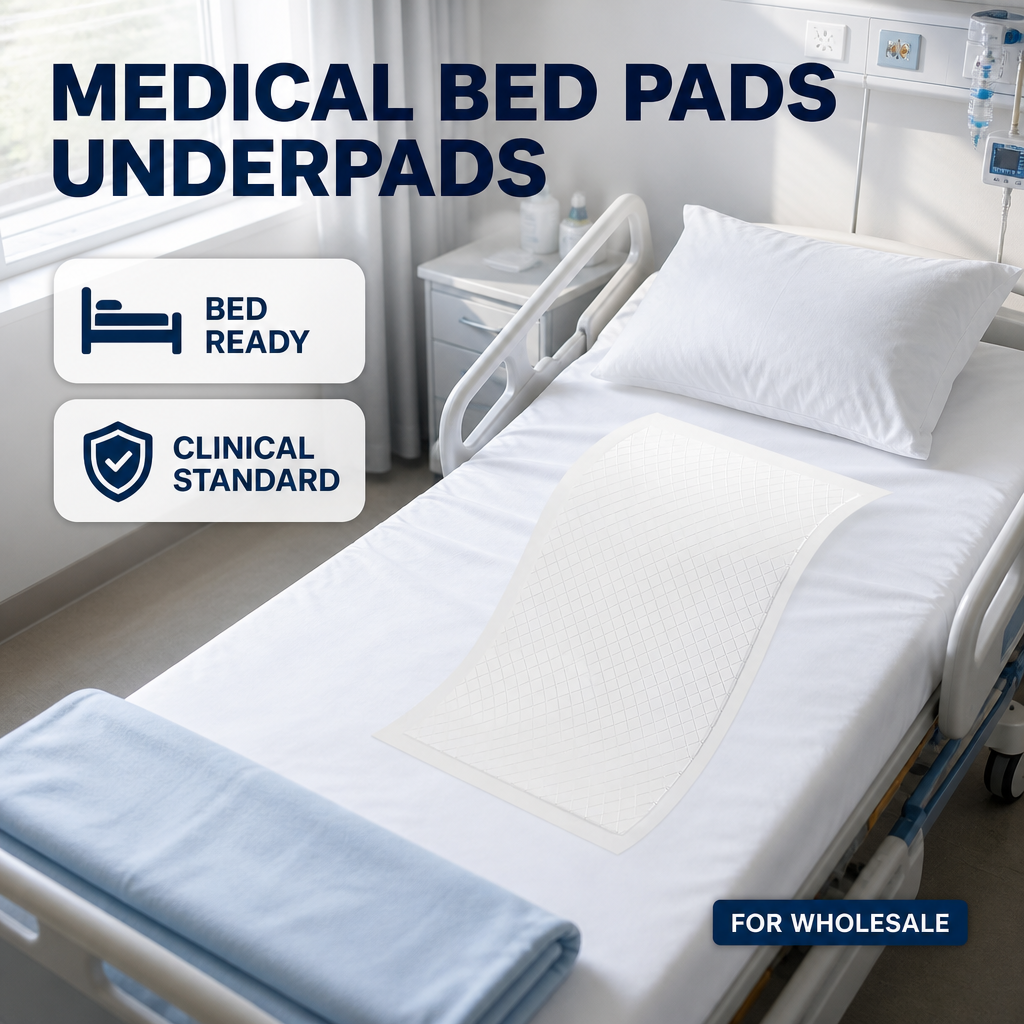
While hospital bed underpads are generally reliable, common issues can arise. Being aware of these problems allows for proactive management:
Leakage: This is often due to inadequate absorbency or improper sizing. Ensure that the underpads chosen are suitable for the patient's condition and that they are correctly sized for the bed.
Skin Irritation: Some patients may experience discomfort from prolonged contact with certain materials. Opt for underpads made from breathable, hypoallergenic materials to reduce the risk of skin irritation.
Tearing or Rips: Underpads that tear easily can lead to mess and increased costs. Choose durable products and consider performing quality checks on samples before bulk ordering.
Static Cling: Some underpads can generate static, causing them to stick to the patient or bedding. Look for options that minimize static buildup, enhancing comfort and usability.
Kimlead always Continence pad in RD and in innovation to ensure the competitiveness of its market. We have a skilled RD team that is dedicated to creating new materials, technologies, and designs to meet the ever-changing market demands. We have developed our own line of biodegradable items, employing environmentally friendly production techniques and a sustainable design. Our innovations enhance the product's performance but also contribute to sustainability and environmental stewardship. Our continuous pursuit of new technologies is aimed at providing the highest quality products and services to our customers. Kimlead is an organization that values innovation and strives for excellence.
Kimlead has a highly skilled design team that is able to customize product Puppy dog pads, appearance, size, and color to meet the requirements of our customers. Our team collaborates closely with clients to ensure that the final product meets to their specifications. We offer high-quality adult hygiene products and offer OEM and ODM services based upon the client' specifications for brand. From analyzing requirements to sample production, and then to mass production and delivery, our customization process ensures every step meets the most rigorous standards. Kimlead offers a range of professional services for customization to meet your needs.
Kimlead Puppy pads strict quality control methods to ensure all products meet international standards. The factory is outfitted with a professional lab for testing and the quality control system encompasses more than 30 types of tests. Our products are tested according to international standards like ISO and CE. We also carefully select the raw materials we use to ensure that each batch is in line with the highest quality standards. We do not just focus on product conformity, but will provide safe and reliable hygiene products and ensuring our customers have peace of mind. When you choose Kimlead, you will receive quality products that have been tested to meet the most stringent standards.
Diapers adult diapers has over 15 years of experience in the production of high-end hygiene items. The factory, which covers 46,000 square meters, is outfitted with the latest equipment for production. For instance, Mitsubishi high-speed automatic production machines that are fully-servo, that can manufacture 200,000 products every day. Our production processes comply with international standards and are certified by CE and FDA. ISO13485 and ISO9001 also validate our products. Techmach's vision inspection system and tension system guarantee that every item is thoroughly scrutinized through more than 200 locations. Our manufacturing capabilities allow us to not just efficient production, but also meet massive orders and guarantee prompt delivery. If you select Kimlead you gain access to our manufacturing expertise and efficient manufacturing processes.
Hospital bed underpads are versatile and can be used in various healthcare scenarios:
Long-Term Care Facilities: In nursing homes and assisted living facilities, underpads are vital for residents with incontinence issues, providing both comfort and hygiene.
Home Healthcare: For patients receiving care at home, underpads protect bedding and provide peace of mind for caregivers and family members.
Post-Surgery Recovery: In hospitals, underpads are often utilized for patients recovering from surgery, particularly those who may have temporary mobility issues or incontinence.
Pediatric Care: In pediatric units, underpads can be used for infants and children who require extra protection during recovery or while undergoing treatment.
Emergency Services: Ambulances and emergency response teams can benefit from portable underpads for immediate use during transport, ensuring patient comfort and hygiene.
Selecting the right hospital bed underpads involves careful consideration of materials, specifications, and supplier reliability. By understanding the key factors influencing product choice and potential challenges, B2B buyers can make informed decisions that enhance patient care and operational efficiency.

Kimlead Hygiene mainly produces adult diaper, adult pull up diaper, under pad, pet training pad, and operating international OEM/ODM business.
 EN