Hospital bed pads for incontinence are essential products designed to protect bedding and provide comfort for patients experiencing incontinence. Purchasing managers and healthcare providers often face concerns over product quality, material safety, and the reliability of suppliers. This article will explore the key specifications of high-quality hospital bed pads, sourcing tips for reliable suppliers, material comparisons, installation guidance, and the various applications of these products in healthcare settings. For better hygiene management, consider using Baby wipes alongside these pads.
When selecting hospital bed pads for incontinence, several key specifications must be considered to ensure optimal performance.
Absorbency: Look for pads with high absorbent capacity to manage different levels of incontinence. The absorbency rating often depends on the material composition and the thickness of the pad. For instance, pads designed for heavy incontinence should be able to hold significantly more liquid than those intended for light use.
Size and Dimensions: Hospital bed pads come in various sizes, typically ranging from small to extra-large. Buyers should ensure that the chosen size fits the specific bed dimensions as well as accommodates the patient comfortably. A mismatch can lead to leaks and inadequate protection.
Material Composition: The materials used in the construction of bed pads affect their absorbency, comfort, and durability. Look for pads made with materials that are soft against the skin, yet effective at wicking moisture away to prevent skin irritation.
Non-slip Backing: A quality hospital bed pad should feature a non-slip backing to prevent the pad from moving out of place during use. This is particularly important in hospital settings where patient mobility may be a concern.
Washability: Some pads are designed for single-use, while others can be laundered multiple times. Buyers should consider the intended use and budget for either option. Reusable pads can be more economical over time but require proper care to maintain their effectiveness. Additionally, using Disposable Baby Bib can help in maintaining cleanliness during feeding.
Understanding these specifications helps ensure that the selected hospital bed pads meet the practical needs of healthcare providers and patients alike.
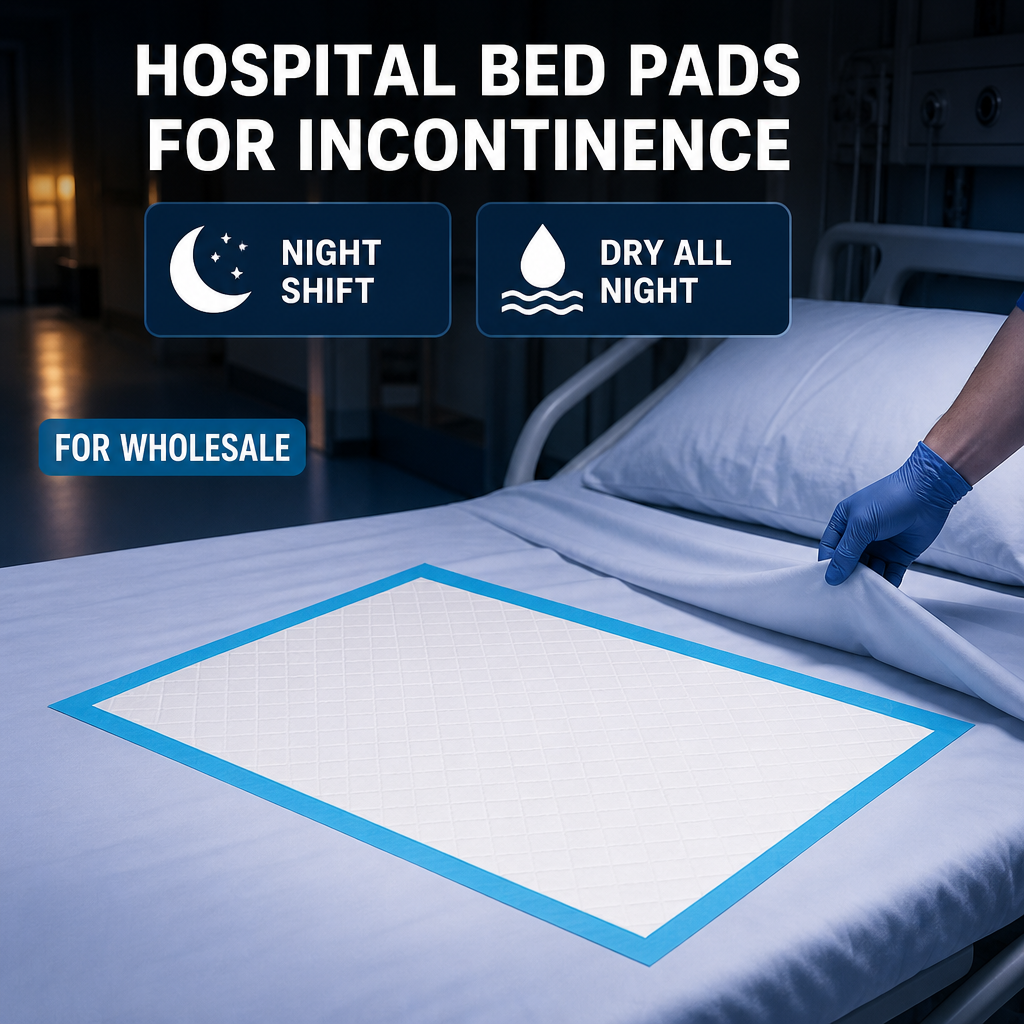
Sourcing hospital bed pads in bulk requires careful evaluation of potential suppliers. Here are some key steps to identify reliable manufacturers:
Research and Reviews: Begin by conducting thorough research on potential suppliers. Look for customer reviews and testimonials, especially from other healthcare facilities, to gauge reliability and product quality.
Certifications: Ensure that suppliers adhere to national and international medical device standards. Certifications like ISO 13485 indicate a commitment to quality management systems specific to medical devices.
Production Capabilities: Evaluate the manufacturing capabilities of suppliers. A supplier with advanced production equipment and quality control processes will likely produce more consistent and reliable products. Kimlead Hygiene Products, for example, utilizes first-class, dust-free workshops to meet stringent quality standards.
Customization Options: Some suppliers may offer OEM and ODM services, allowing you to customize products according to specific needs. This can be particularly beneficial for large healthcare providers with unique requirements.
Sample Approval: Before committing to a large order, request samples to evaluate the product’s quality and performance. This step can prevent costly mistakes and ensure that the selected product meets your standards.
By following these steps, purchasing managers can find trustworthy suppliers that meet their needs for hospital bed pads incontinence.
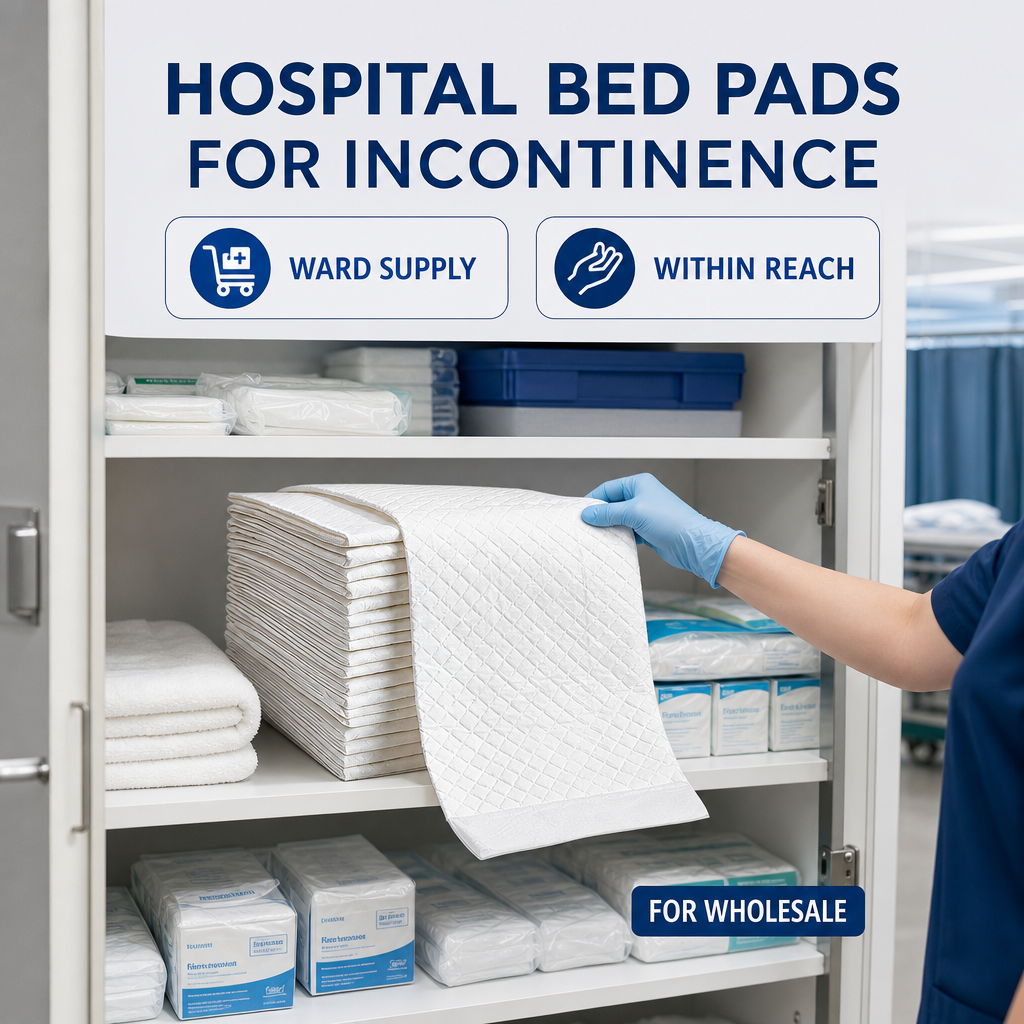
The materials used in hospital bed pads significantly impact their performance and suitability for various applications. Here is a comparison of common materials:
Polyester and Polypropylene: These synthetic fibers are often used for their durability and moisture-wicking properties. They can effectively pull moisture away from the skin, which is essential for preventing skin irritation and bed sores.
Cotton: While cotton is soft and breathable, it may not provide the same level of absorbency as synthetic materials. However, cotton pads are often more comfortable for patients and can be a good choice for light incontinence.
Superabsorbent Polymers (SAP): Many high-quality hospital bed pads incorporate SAPs to enhance absorbency. These materials can absorb multiple times their weight in liquid, making them ideal for managing heavy incontinence.
Barrier Layers: Look for pads that include a waterproof barrier layer to prevent leakage onto bedding. This is crucial in maintaining hygiene and comfort in healthcare settings.
Choosing the right material depends on the specific needs of the patient and the intended application. Evaluating the material properties in relation to absorbency, comfort, and durability will help buyers make informed decisions.
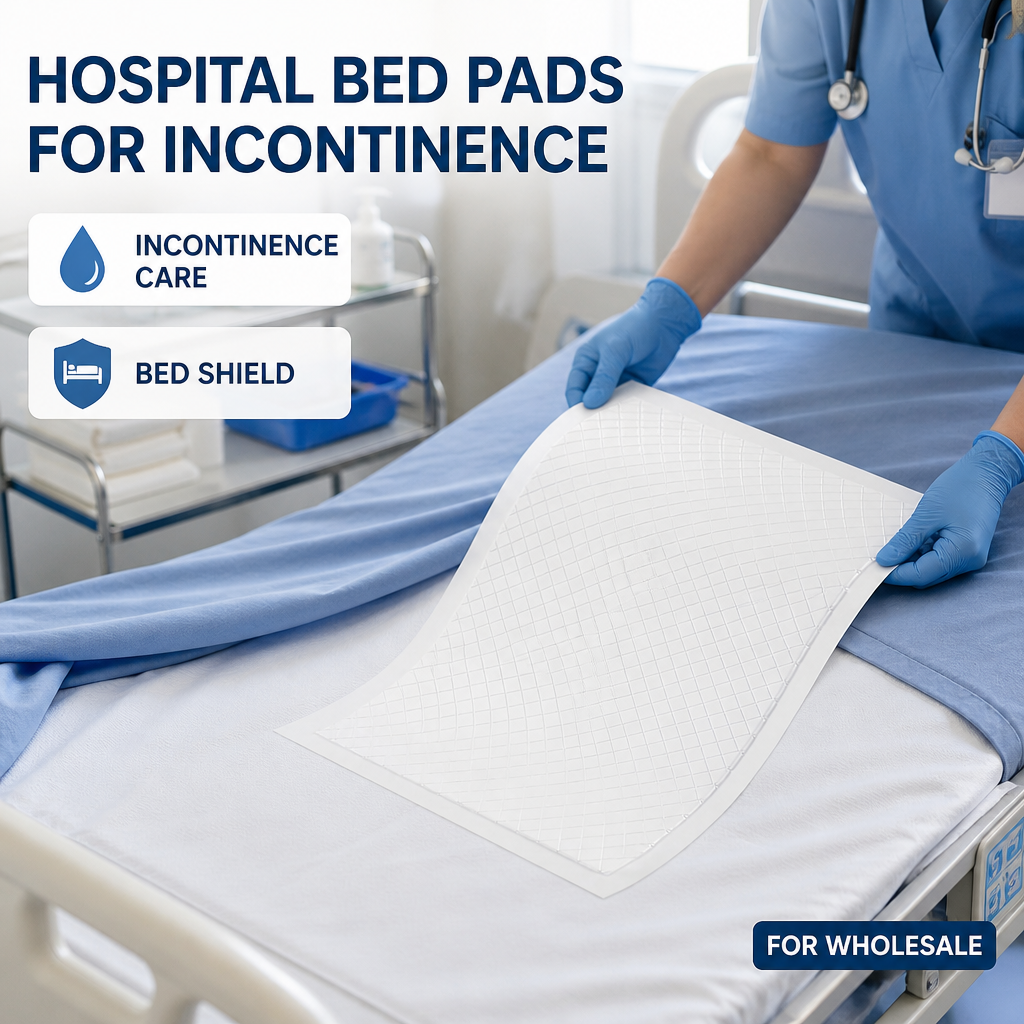
Proper installation of hospital bed pads is crucial for maximizing their effectiveness. Here are some guidelines to follow:
Placement: Ensure that the pad is positioned correctly on the bed, covering the area where the patient is most likely to experience incontinence. The pad should extend beyond the sides of the mattress to provide full coverage.
Securing the Pad: If the pad features a non-slip backing, it should adhere well to the mattress. For additional security, consider using fitted sheets that hold the pad in place.
Layering: In some cases, layering multiple pads may be beneficial for patients with heavy incontinence. This can provide extra absorbency and protection for bedding.
Monitoring: Regularly check the pad for saturation levels and replace it as necessary to maintain hygiene and comfort.
By following these guidelines, healthcare providers can ensure that hospital bed pads are installed correctly for optimal use.
Kimlead boasts 15 years of experience in production and is able to provide high-end hygiene products The facility is spread over 46 000 square metres and is equipped with cutting-edge production equipment like Mitsubishi fully-servo high-speed automated production lines This includes a single line's daily output exceeding around 200 000 pieces Our production procedures are in compliance with international standards and have been certified by CE FDA ISO13485 and ISO9001 We use the Techmach vision inspection system and tension control system that ensures each product undergoes Underpad examination at over 200 points Our manufacturing capabilities assure not just efficient production as well as the ability to fulfill large-scale orders and ensure timely delivery When you choose Kimlead you gain access to our manufacturing expertise and efficient production processes
Kimlead invests continuously in Incontinence pads to ensure market competitiveness. Our RD team is committed to the creation of new technology, materials, and methods to meet constantly changing requirements of the market. We've independently created a range of biodegradable products, adhering to eco-friendly production practices with degradable materials and energy efficient designs. Innovations we develop do not just improve the performance of products and efficiency, but also encourage sustainability and eco-friendly. We continuously seek out breakthroughs and strive to offer the most sophisticated and best quality products to our customers. Kimlead is a company that seeks out innovation and excellence.
Kimlead's design experts can alter the appearance of your product dimensions, function and appearance to meet customer requirements. Our team closely communicates with clients to get a better understanding of their specific requirements, ensuring the product they receive is up to requirements. We offer high-quality adult hygiene products and provide OEM and ODM services that are based on the clients' brand requirements. From analysis of requirements to sample production, and then to the production of mass quantities and delivery Our process of customization ensures each Puppy pads is up to the most stringent standards. By selecting Kimlead you can enjoy professional customization services that cater to your particular needs.
Puppy dog pads has strict quality control procedures to make sure that each product meets the international standards. Our facility is equipped with a manufacturing laboratory as well as a robust quality monitoring system, conducting more than 30 kinds of tests. We adhere to international certification standards like ISO and CE and ensure the safety and quality of our products. We also carefully select our raw materials in order to ensure that each batch satisfies high quality standards. We don't only concentrate on the quality of our products, but we also ensure that we provide high-quality and safe hygiene products that give customers complete satisfaction. Kimlead products are of the highest grade and are in compliance with all standards.
Hospital bed pads for incontinence serve multiple applications, particularly in healthcare environments. These pads are essential in:
Hospitals: Used in patient rooms to protect bedding and provide comfort to individuals undergoing treatments or surgeries that may affect bladder control.
Nursing Homes and Assisted Living Facilities: These pads help maintain hygiene and dignity for elderly residents who may experience incontinence due to age-related health issues.
Home Care: Family caregivers can utilize hospital bed pads for patients receiving in-home care to ensure comfort and cleanliness.
Rehabilitation Centers: Patients in rehabilitation may also benefit from the use of these pads as they regain mobility and control.
Travel: Portable hospital bed pads can be useful for individuals traveling who may require additional protection during long journeys.
In summary, understanding the various applications of hospital bed pads for incontinence can help B2B buyers select the right products to meet their specific needs and improve patient care.

Kimlead Hygiene mainly produces adult diaper, adult pull up diaper, under pad, pet training pad, and operating international OEM/ODM business.
 EN