Incontinence bed pads for adults are essential products designed to provide comfort and protection for individuals experiencing incontinence. As a purchasing manager or healthcare provider, your main concerns may include the pads' absorption capacity, material quality, durability, and cost-effectiveness. This article will guide you through the important aspects of selecting the best incontinence bed pads for adults, addressing features, cost factors, common problems, quality evaluation, and installation guidance.
When considering the best incontinence bed pads for adults, various features and specifications play a crucial role in their effectiveness. Key features to look for include:
Absorption Capacity: This indicates how much liquid the pad can hold before leakage occurs. Look for products with high absorption capacity, especially for heavy incontinence needs. Material Composition: High-quality pads are often made from non-woven fabrics that are soft against the skin, with absorbent cores made from superabsorbent polymers (SAP) that lock moisture away. Additionally, a waterproof backing is essential to prevent leaks. Size and Dimensions: Ensure the pads fit the bed size properly. Common dimensions range from 23” x 36” to 36” x 72”. Larger pads may provide better coverage but check compatibility with the intended application. Non-slip Features: Some pads come with a textured surface or adhesive strips to prevent sliding on the bed, enhancing user comfort and safety. Odor Control: Look for pads that incorporate odor-neutralizing technologies to maintain a fresh environment. Understanding these specifications can help you select a product tailored to your specific needs, ensuring optimal performance and satisfaction.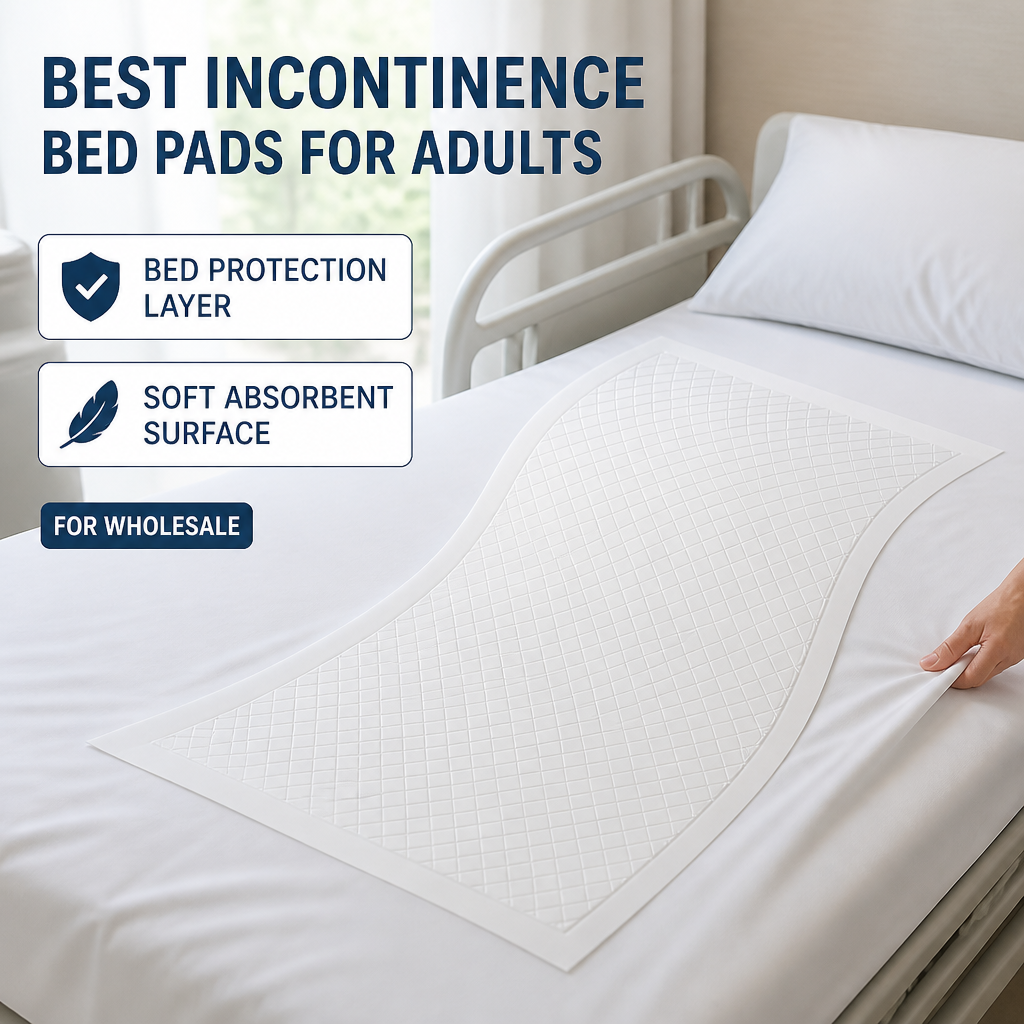
The pricing of incontinence bed pads for adults can vary significantly based on several factors: Material Quality: Higher-quality materials, such as those offering enhanced absorbency or comfort, may increase the cost. It's essential to balance quality and cost to meet your budgetary constraints. Absorption Level: Pads with higher absorption capacities typically cost more due to their advanced technology and materials. Consider the level of incontinence and select a pad that offers suitable protection without unnecessary expenses. Brand Reputation: Established brands often charge a premium due to their proven reliability and quality assurance processes. However, newer brands may offer competitive pricing to gain market share. Bulk Purchasing Options: Many manufacturers, including Kimlead Adult Diapers, provide discounts for bulk orders. This can significantly reduce per-unit costs, making it an attractive option for healthcare facilities or distributors. Shipping and Handling: Depending on the supplier, shipping costs can add to the overall price. Be sure to factor this into your total cost when evaluating suppliers.
Understanding these factors will allow you to make informed purchasing decisions that align with both quality requirements and budgetary constraints.
Incontinence bed pads are not without their challenges. Here are some common issues and their solutions: Leakage: This is often a significant concern. To mitigate this, choose pads with a high absorbent capacity and a well-designed waterproof backing. Regularly changing pads can also help prevent leaks. Skin Irritation: Prolonged exposure to moisture can lead to skin irritation. Opt for pads made from breathable materials that wick moisture away from the skin. Additionally, consider using barrier creams to protect the skin. Odor Control Issues: If odors persist, consider pads with built-in odor control technologies or fragrance options. Regular changes and proper disposal can also help manage odors effectively. Slipping: Pads that do not stay in place can lead to discomfort and potential leakage. Look for products with non-slip features or adhesive strips to ensure stability during use.
Being aware of these common problems allows you to make better choices and ensure a more comfortable experience for users.
Evaluating the quality of incontinence bed pads involves several key considerations: Certifications: Check for certifications that indicate compliance with medical device standards. Products meeting national and international standards ensure that they have undergone rigorous testing for safety and effectiveness. Sample Testing: Before placing large orders, request samples to evaluate the product's performance. Testing under real conditions can help you assess absorbency, comfort, and durability. Customer Reviews and Feedback: Researching reviews from other buyers can provide insights into product performance and user satisfaction. Look for patterns in feedback regarding comfort, effectiveness, and reliability. Manufacturer Reputation: Partnering with a reputable manufacturer like Kimlead Hygiene Products, known for its strict quality control and advanced manufacturing practices, can enhance trust in the product's quality. Return and Warranty Policies: Assess the supplier's return policy and warranty options. A solid return policy indicates confidence in the product quality and provides peace of mind for buyers.
By carefully evaluating these factors, you can ensure that the incontinence bed pads you choose meet your quality standards and provide reliable protection.
Kimlead utilizes strict Underpad control processes to ensure all products meet international standards. Our manufacturing facility is equipped with the most sophisticated laboratory for testing and an established quality control system that comprises more than 30 different kinds of tests. We adhere to international certification standards like ISO and CE to ensure the security and reliability of our products. We also carefully select our raw materials in order to ensure that each batch is in line with the highest quality standards. We do not just focus on the conformance to standards for products However, we also offer high-quality and safe products to provide our customers with the highest assurance of their security. Kimlead products are of best quality and comply with all requirements.
Kimlead's Underpad can modify the appearance of products dimensions, function and appearance to meet the requirements of our customers. Our team collaborates closely with customers to ensure that the final product conforms to their specifications. We offer premium adult hygiene products and offer OEM and ODM services that are based on the clients' brand requirements. Our customization process includes everything from analysis of requirements, sampling production, mass production, and even delivery, ensures that every step is of the highest standard. If you select Kimlead You will receive professional services for customization that are tailored to your individual requirements.
Kimlead invests in continuous RD to ensure competitiveness in the market. Our RD team is dedicated to developing Adult in a diaper, designs, and methods to meet constantly changing requirements of the market. We've developed independently a range of biodegradable products, following eco-friendly production processes with degradable materials and energy efficient designs. Our innovations will not only enhance product performance but also contribute to sustainability and environmental friendliness. We constantly seek breakthroughs and strive to offer the most innovative and high-quality products for our customers. Kimlead is an organization that seeks out innovation and excellence.
Kimlead has Incontinence pads 15 years of experience in production, delivering high-quality hygiene products. Our facility covers more than 46,000 square meters and is fitted with state-of-the-art production equipment like Mitsubishi fully-servo high-speed, automatic production lines, with one line's daily output topping 200,000 pieces. Our production procedures are in compliance with international standards and have been certified by CE, FDA, ISO13485 and ISO9001. We employ the Techmach vision inspection system as well as the tension control, which ensures that each product goes through a thorough examination at over 200 points. Our manufacturing capacity not only guarantees efficient production but also helps meet large-scale order demands, guaranteeing time-bound delivery. By choosing Kimlead you can benefit from our exceptional manufacturing capability and efficient production processes.
Proper installation of incontinence bed pads is vital for maximizing their effectiveness. Here are some best practices for installation in care settings: Surface Preparation: Ensure the bed surface is clean and dry before placing the pad. This helps the pad adhere better and prevents moisture from seeping through. Positioning: Place the pad in the center of the bed, ensuring it covers the area where the user is most likely to experience leakage. For larger pads, consider folding them over the edges of the bed for added protection. Secure Fastening: If the pad has adhesive strips or a textured surface, press down firmly to secure it in place. This prevents shifting during use and enhances comfort. Regular Checks: Monitor the pad regularly for signs of saturation or shifting. Changing the pad at the appropriate intervals is crucial for maintaining hygiene and preventing skin irritation. Disposal: Ensure that used pads are disposed of properly, following local guidelines for medical waste. Providing disposal bags or bins near the bed can facilitate this process.
By following these installation guidelines, you can enhance the effectiveness of incontinence bed pads and contribute to a more comfortable and hygienic care environment.
In summary, selecting the best incontinence bed pads for adults involves understanding their features, evaluating cost factors, recognizing common problems, assessing quality, and following proper installation procedures. By considering these aspects, you can make informed purchasing decisions that align with the needs of your facility or clients.

Kimlead Hygiene mainly produces adult diaper, adult pull up diaper, under pad, pet training pad, and operating international OEM/ODM business.
 EN