Hospital incontinence bed pads are essential products designed to provide comfort and protection for individuals experiencing incontinence in healthcare settings, particularly in hospitals. These pads help maintain hygiene and prevent leaks, ensuring the dignity of patients while also safeguarding the integrity of bedding and furniture. For B2B buyers, key concerns often revolve around product performance, material quality, cost, and supplier reliability. This article will guide purchasing managers, distributors, and healthcare facility administrators through critical factors to consider when selecting hospital incontinence bed pads, ensuring they make informed and confident purchasing decisions.
Selecting the appropriate hospital incontinence bed pads involves understanding specific requirements related to patient needs and operational considerations. First, assess the level of absorbency required based on the severity of incontinence. Products are generally categorized by absorbency levels, which can help determine the best fit for your facility.
Next, consider the size and dimensions of the pads. Ensure they adequately fit the hospital beds being used to prevent movement or bunching, which can lead to leaks. Additionally, the pad's surface material is vital; a soft, breathable fabric can enhance patient comfort, while waterproof backing is essential to protect the mattress. For enhanced protection, consider using Kimlead underpads disposable incontinence pad bed pad as part of your incontinence management strategy.
Customization options may also be necessary. Some manufacturers, such as Kimlead Hygiene Products, offer OEM and ODM services, allowing facilities to tailor products to meet specific needs, such as incorporating brand logos or adjusting dimensions for specialized beds.
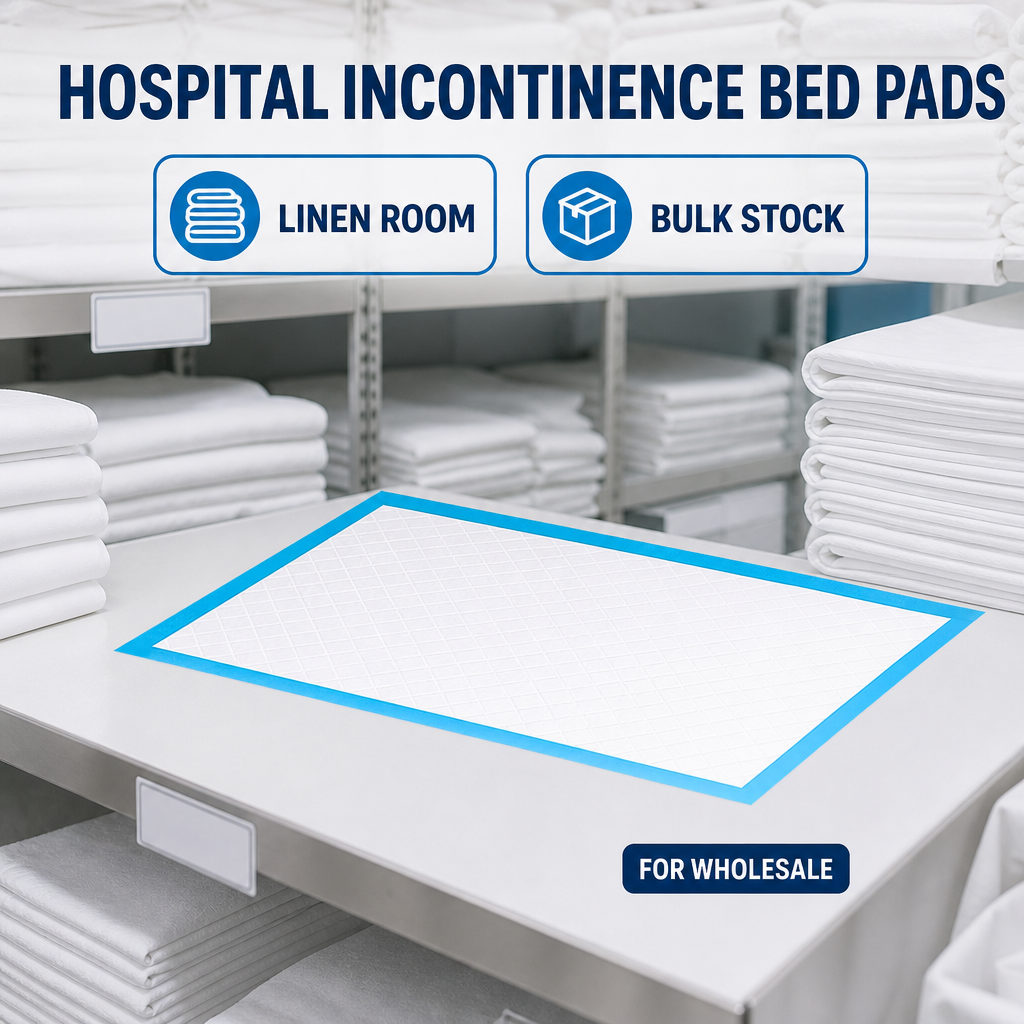
When evaluating hospital incontinence bed pads, several factors should be considered:
Material Composition: Quality materials impact absorbency, comfort, and skin health. Look for pads made from hypoallergenic materials that reduce the risk of skin irritation or allergies.
Production Standards: Ensure pads are manufactured in facilities that adhere to national medical device standards. This guarantees product safety and reliability, critical in healthcare settings.
Quality Control Processes: Understanding a supplier's quality control measures is essential. A robust quality assurance process helps ensure consistency and performance across batches.
Packaging and Shipping: Consider how the pads are packaged and shipped. Bulk packaging can reduce costs, but ensure that the packaging protects the integrity of the product during transport.
Cost-Effectiveness: Analyze the total cost of ownership, not just the purchase price. Factor in potential savings from reduced laundry costs, fewer replacements due to high-quality materials, and the impact on patient comfort and satisfaction.
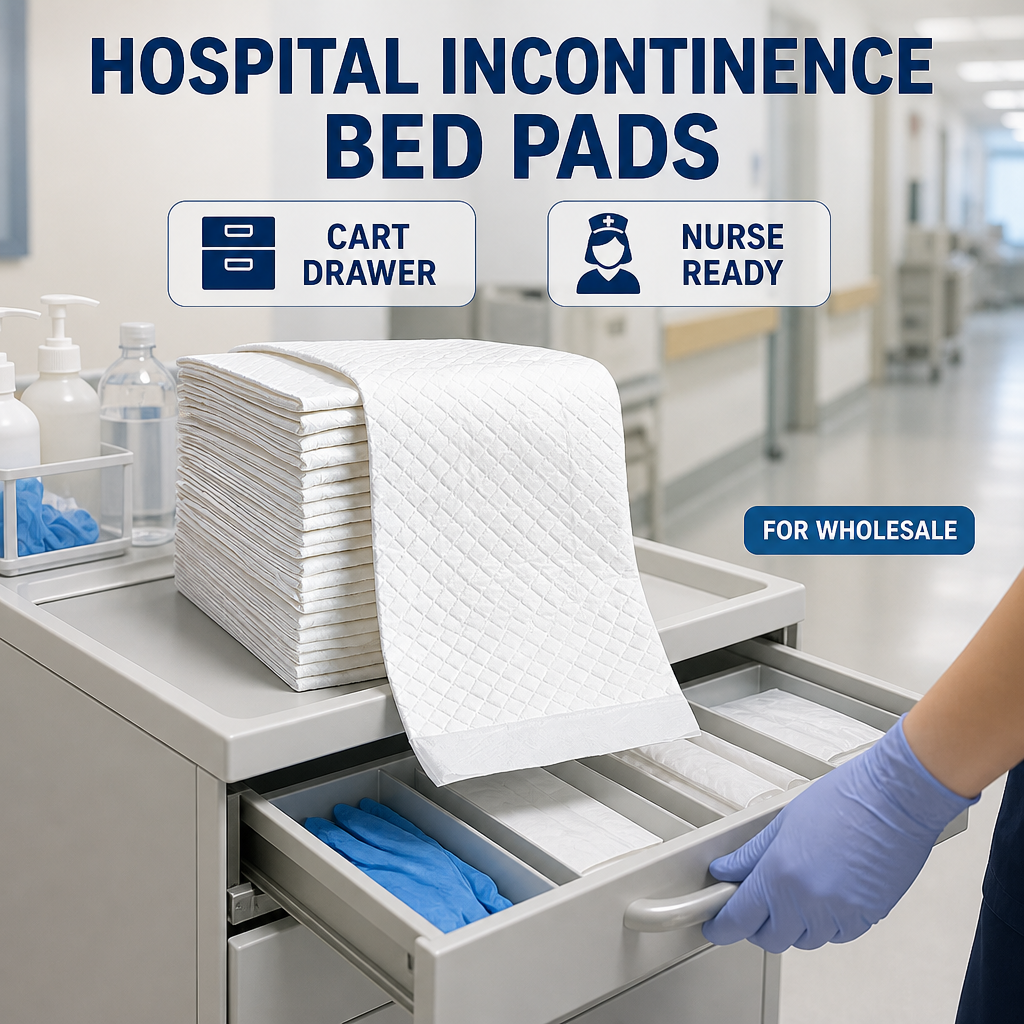
Sourcing wholesale hospital incontinence bed pads efficiently can significantly impact your operational budget and product availability. Start by identifying reliable manufacturers who specialize in medical hygiene products. Look for suppliers with experience in the healthcare sector and a proven track record of meeting quality standards.
Consider utilizing online platforms that connect buyers with manufacturers, allowing for comparisons of prices, product specifications, and reviews from other healthcare facilities. Attending industry trade shows can also provide opportunities to meet manufacturers face-to-face, discuss specific needs, and negotiate contracts.
When contacting suppliers, be prepared to provide details such as required quantities, desired specifications, and any customization needs. This will facilitate accurate quotes and help streamline the procurement process.
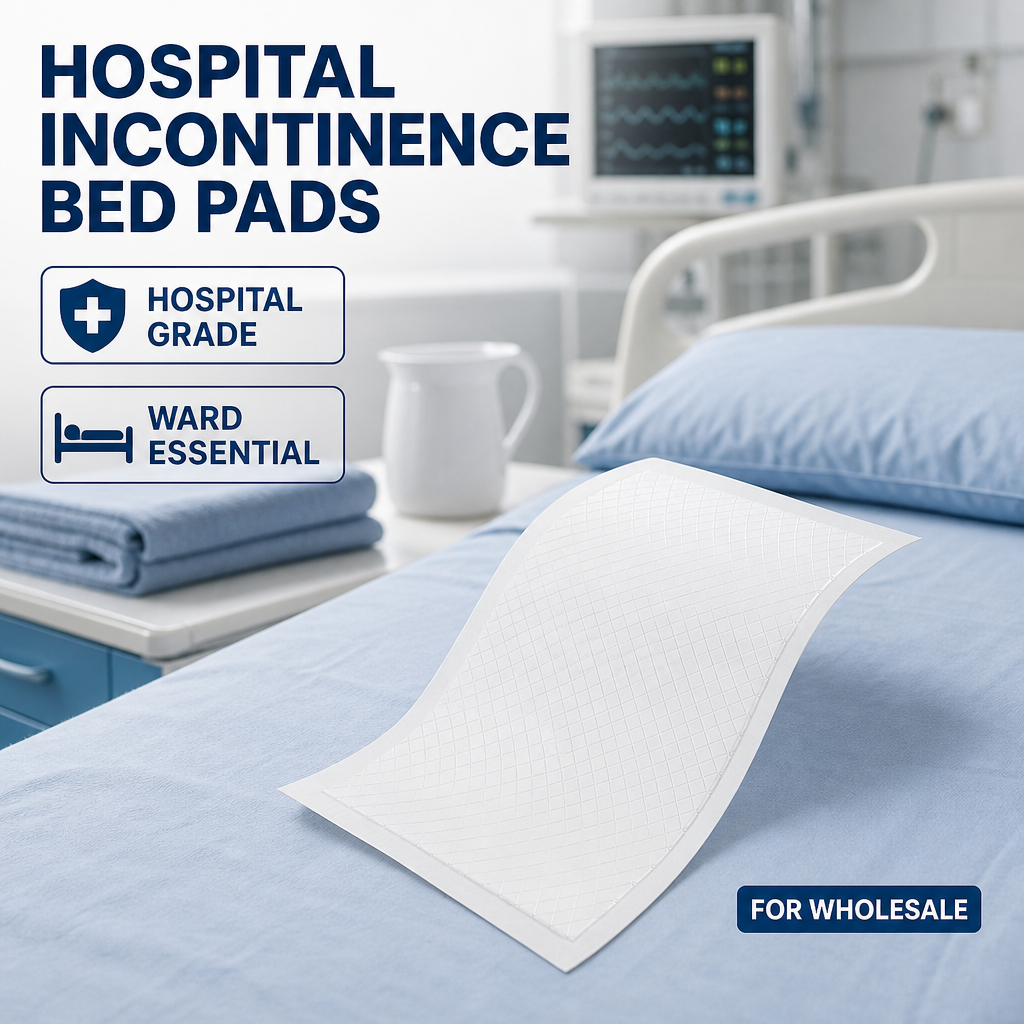
The cost of hospital incontinence bed pads can vary based on numerous factors, including material quality, absorbency levels, and production processes. Here are key cost factors to consider:
Material Quality: Higher-quality materials, such as superabsorbent polymers, can increase costs but often result in better performance and patient satisfaction.
Production Scale: Bulk orders typically reduce the unit cost. Therefore, forecasting demand and ordering accordingly can lead to significant savings.
Customization: Custom features, such as specific sizing or branding, may incur additional costs. It's essential to weigh these costs against the benefits of tailored products.
Supplier Location: Shipping costs can vary significantly based on the supplier's location. Local suppliers may offer lower shipping fees, while overseas manufacturers might have lower product costs but higher logistics expenses.
Quality Control and Certifications: Products that undergo rigorous testing and certification processes may carry higher price tags, but these often ensure greater reliability and safety, which is paramount in healthcare environments.
Kimlead continuously invests in RD and innovation to maintain our market leadership. We have a professional RD team dedicated to developing new materials, techniques, and designs to meet the constantly changing market requirements. We have created our own range of biodegradable product, using eco-friendly production methods and energy-efficient design. Our innovations don't just enhance the product's performance but also promote sustainability and environmental friendliness. We are always looking for Incont pads, striving to deliver the most sophisticated and best quality products to our customers. Kimlead is a company that is committed to innovation and strives for excellence.
Kimlead's design experts can alter the appearance of your product dimensions, function and appearance to meet customer requirements. Our team closely communicates with clients to get a better understanding of their specific requirements, ensuring the product they receive is up to requirements. We offer high-quality adult hygiene products and provide OEM and ODM services that are based on the clients' brand requirements. From analysis of requirements to sample production, and then to the production of mass quantities and delivery Our process of customization ensures each Puppy pads is up to the most stringent standards. By selecting Kimlead you can enjoy professional customization services that cater to your particular needs.
Kimlead uses stringent quality Diapers adult diapers processes to ensure the quality of each product meets international standards. Our factory is equipped with an expert laboratory for testing and a quality assurance system that includes over 30 different types of tests. Our products are tested according to international standards like ISO and CE. We also carefully select our raw materials to ensure that every batch meets high quality standards. We do not just focus on compliance with the product, but make a commitment to provide safe and reliable hygiene products providing customers with the highest level of peace of mind. Kimlead products are of highest quality and comply with all requirements.
Kimlead boasts over 15 years of production experience offering high-quality hygiene products Our 46 000 square-meter facility is equipped with the most advanced production equipment For instance Mitsubishi high-speed automatic production machines equipped with fully-servo technology which can produce 200 000 items every day Our manufacturing processes comply with international standards and are certified by CE and FDA ISO13485 and ISO9001 also validate our products Incont pads vision inspection systems and tension system ensures that every product is thoroughly checked over 200 places Our manufacturing capability not just assures an efficient production but also helps meet large-scale order demands guaranteeing rapid delivery When you choose Kimlead you will benefit from our extraordinary manufacturing capabilities and efficient manufacturing processes
The materials used in hospital incontinence bed pads play a crucial role in their functionality and effectiveness. Here’s a breakdown of common materials and their advantages:
Absorbent Core Materials: Most high-performance pads utilize a core made from superabsorbent polymers (SAP) that can lock away moisture, reducing the risk of skin irritation and maintaining dryness for the patient. This is critical for preventing conditions such as dermatitis.
Breathable Top Sheets: A soft, breathable top layer enhances comfort and allows for airflow, which helps in maintaining skin integrity. Materials like non-woven fabrics are commonly used for this purpose.
Waterproof Backing: The waterproof layer protects the mattress and bedding from leaks. This backing can vary in material, with polyethylene and polyurethane being common choices due to their effective barrier properties.
Hypoallergenic Options: For sensitive skin, hypoallergenic materials reduce the risk of allergic reactions and skin irritations. This is particularly important for patients who may be in contact with the product for extended periods.
By understanding the advantages of different materials, purchasing managers can make informed choices that align with their facility’s needs and patient care standards. Consider also integrating products like kimlead hygiene underpads incontinece care underpad absorbent disposable underpads to enhance patient comfort and hygiene.
In summary, choosing the right hospital incontinence bed pads requires careful consideration of absorbency, sizing, materials, and sourcing options. By understanding these factors, healthcare facilities can ensure they select high-quality products that enhance patient care while maintaining operational efficiency.

Kimlead Hygiene mainly produces adult diaper, adult pull up diaper, under pad, pet training pad, and operating international OEM/ODM business.
 EN