Incontinence management is a critical concern for many healthcare providers and facilities, making the selection of the right cloth underpads for incontinence essential. These products serve as a barrier between the patient and bedding or furniture, providing comfort and preventing leakage. For B2B buyers, such as purchasing managers and distributors, understanding the various features, specifications, and supplier capabilities is crucial for making informed decisions. This article will guide you through the key aspects of cloth underpads, helping you identify suitable suppliers and products for your business needs.
Selecting the right supplier for cloth underpads for incontinence involves assessing various factors that can impact product quality and reliability. First, consider the manufacturer’s experience in producing hygiene products. A supplier like Kimlead Hygiene Products, known for its R&D and manufacturing capabilities in adult diapers and pull-up pants, has the expertise necessary to ensure high-quality production standards.
Next, evaluate the production facilities and equipment. Look for suppliers that maintain first-class, dust-free workshops and adhere to national medical device standards. Quality control processes are also critical; inquire about the supplier's quality assurance protocols to ensure that all products meet global standards. Additionally, assess the supplier's ability to offer OEM and ODM services, which can provide customization options for specific market needs.
Finally, consider the supplier's reputation in the market. Check for reviews or case studies that demonstrate successful partnerships with other businesses. This can give you insights into their reliability and customer service.
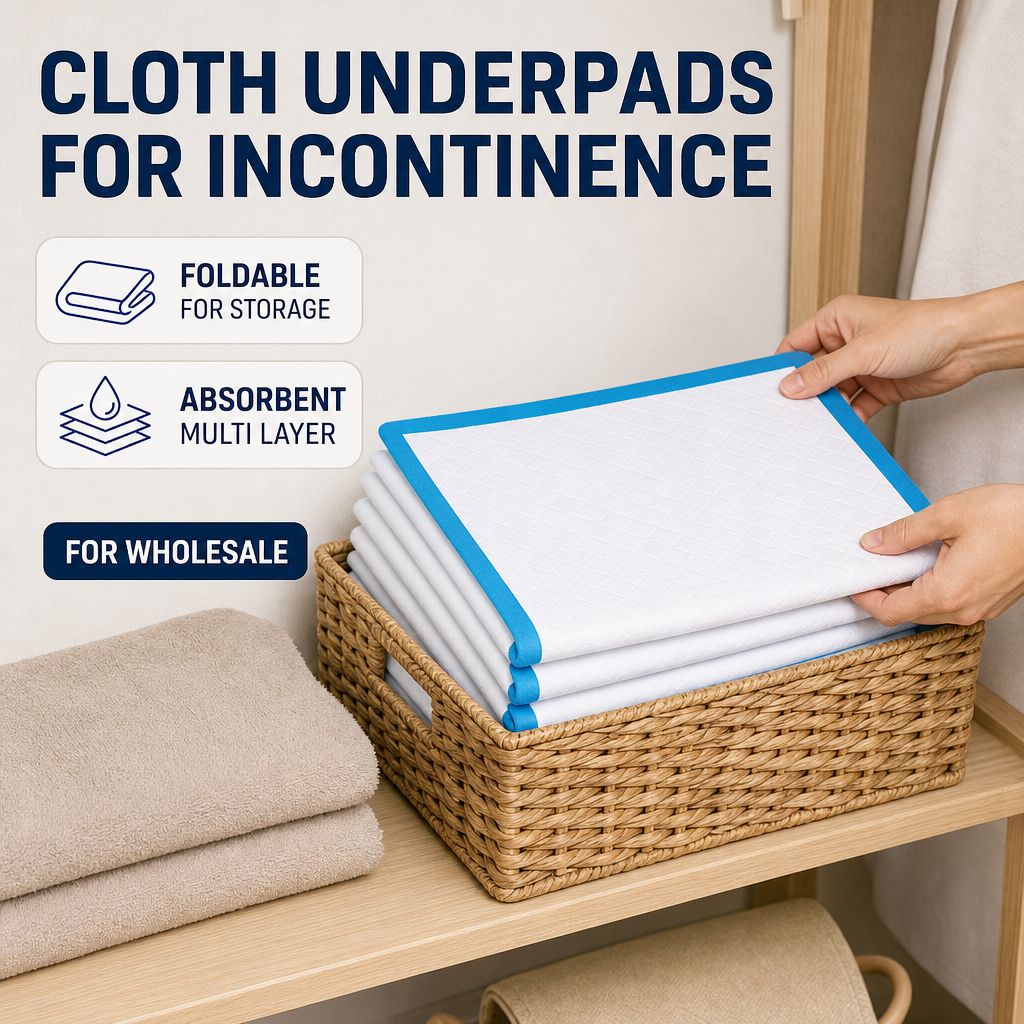
When selecting cloth underpads for incontinence, buyers should focus on several key features that affect performance and user comfort:
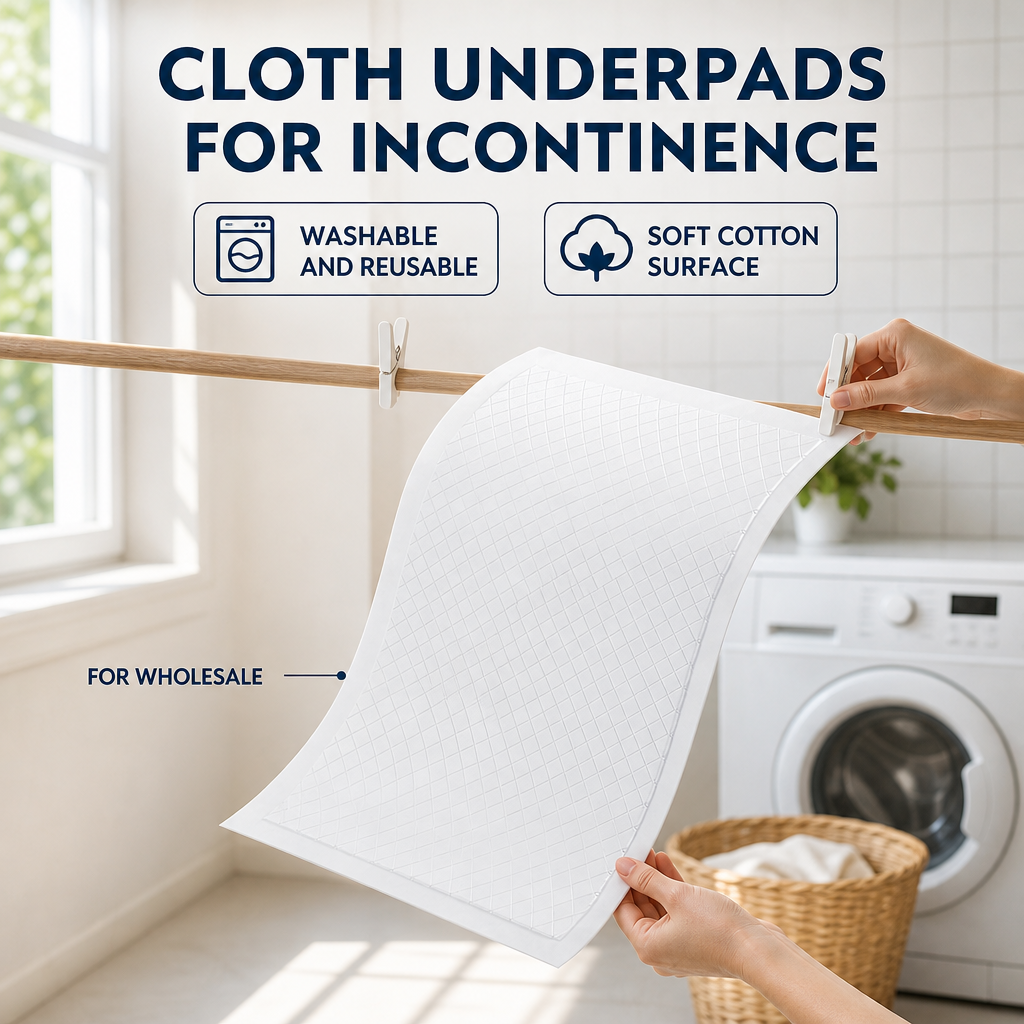
Material Composition: The fabric should be soft and breathable to enhance comfort while also being absorbent to manage moisture effectively. Common materials include cotton, polyester, and blends that provide durability.
Absorbency Level: Different applications may require varying levels of absorbency. Buyers should clarify the expected usage scenarios to determine the appropriate absorbency specifications.
Size and Dimensions: Cloth underpads come in various sizes, and it’s essential to choose dimensions that meet the specific needs of the intended users. Standard sizes can accommodate most applications, but custom sizes may be necessary for certain facilities.
Non-slip Backing: A non-slip backing can enhance safety by preventing the underpads from shifting during use. This feature is particularly important in environments where mobility is a concern.
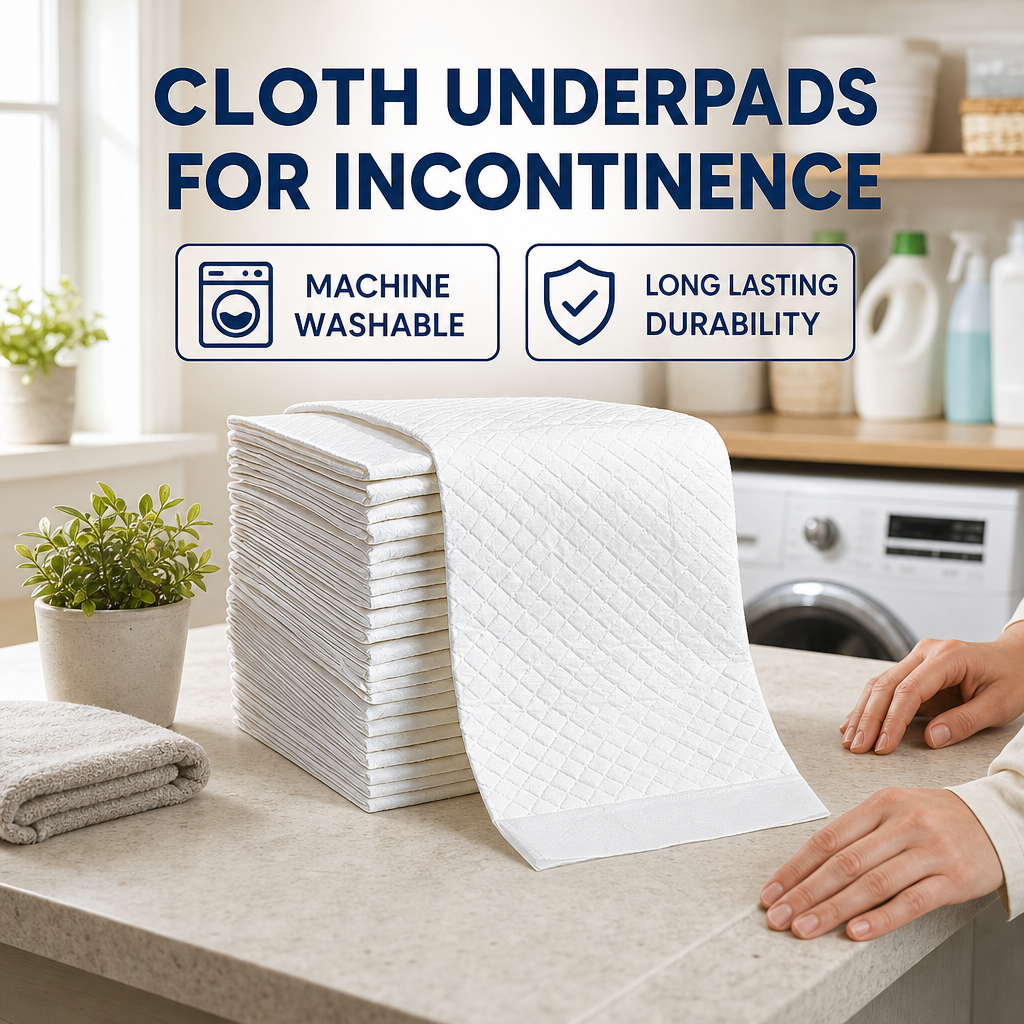
Washability and Durability: Consider the number of washes the underpads can withstand without losing their effectiveness. High-quality products should maintain their performance after multiple washes.
Understanding these features allows buyers to make informed choices that align with their specific requirements.
Despite their benefits, cloth underpads can present some challenges. Here are common problems and solutions:
Leakage Issues: If the absorbency is insufficient for the user's needs, leakage can occur. To mitigate this, buyers should assess the absorbency specifications carefully and select products designed for high-volume use, such as adult pull-up diapers.
Odor Control: Prolonged use can lead to odors. Selecting underpads with odor-neutralizing properties or materials that wick moisture away from the skin can help address this issue.
Skin Irritation: Some users may experience skin irritation due to prolonged exposure to moisture. Choosing breathable materials and ensuring that the underpads have a soft surface can reduce this risk.
Difficulties in Maintenance: Underpads that do not withstand multiple washes can lead to increased costs. Buyers should inquire about the washability and durability claims of potential suppliers.
By anticipating these issues, buyers can select products that minimize risks and enhance user satisfaction.
When purchasing cloth underpads for incontinence in bulk, several cost factors should be assessed:
Unit Price: The base price per unit is important, but buyers should also consider the total cost of ownership, including maintenance and replacement costs.
Minimum Order Quantity (MOQ): Some suppliers may have a MOQ that can affect pricing. Understanding the MOQ can help buyers gauge their budget and inventory needs.
Shipping and Handling: Shipping costs can vary significantly based on the supplier's location and the shipping method chosen. Be sure to factor in these costs when evaluating total expenses.
Customization Fees: If customization is required, inquire about any additional fees that may apply. Custom designs or specifications can enhance product effectiveness but may increase overall costs.
Payment Terms: Payment terms can also impact cash flow. Assessing payment flexibility can help in managing expenses more effectively.
By carefully evaluating these cost factors, buyers can make strategic purchasing decisions that align with their budgetary constraints.
Kimlead Puppy pads strict quality control methods to ensure all products meet international standards. The factory is outfitted with a professional lab for testing and the quality control system encompasses more than 30 types of tests. Our products are tested according to international standards like ISO and CE. We also carefully select the raw materials we use to ensure that each batch is in line with the highest quality standards. We do not just focus on product conformity, but will provide safe and reliable hygiene products and ensuring our customers have peace of mind. When you choose Kimlead, you will receive quality products that have been tested to meet the most stringent standards.
Kimlead has Incontinence pads 15 years of experience in production, delivering high-quality hygiene products. Our facility covers more than 46,000 square meters and is fitted with state-of-the-art production equipment like Mitsubishi fully-servo high-speed, automatic production lines, with one line's daily output topping 200,000 pieces. Our production procedures are in compliance with international standards and have been certified by CE, FDA, ISO13485 and ISO9001. We employ the Techmach vision inspection system as well as the tension control, which ensures that each product goes through a thorough examination at over 200 points. Our manufacturing capacity not only guarantees efficient production but also helps meet large-scale order demands, guaranteeing time-bound delivery. By choosing Kimlead you can benefit from our exceptional manufacturing capability and efficient production processes.
Kimlead always Continence pad in RD and in innovation to ensure the competitiveness of its market. We have a skilled RD team that is dedicated to creating new materials, technologies, and designs to meet the ever-changing market demands. We have developed our own line of biodegradable items, employing environmentally friendly production techniques and a sustainable design. Our innovations enhance the product's performance but also contribute to sustainability and environmental stewardship. Our continuous pursuit of new technologies is aimed at providing the highest quality products and services to our customers. Kimlead is an organization that values innovation and strives for excellence.
Kimlead has a professional design team that is able to customize product design, appearance as well as size and color in accordance with the needs of customers. Our team is constantly in contact with customers to learn about their requirements and ensure that the final product is in line with their requirements. We provide quality adult hygiene products that are of the highest standard and provide OEM as well as ODM services based on our clients' specific brand requirements. From analyzing requirements to samples production, and finally to the mass production and delivery process Our process of Incont pads ensures each step is up to the most rigorous standards. By choosing Kimlead You will receive professional customization services that cater to your specific requirements.
While cloth underpads are relatively straightforward to use, following proper installation guidelines can optimize their effectiveness:
Placement: Ensure that the underpad is placed correctly under the user. For maximum coverage, the pad should extend beyond the area of expected leaks.
Securing the Pad: If the underpad features a non-slip backing, ensure that it is positioned on a surface that allows this feature to function effectively. In some cases, additional securing methods, such as bed straps, may be necessary.
Regular Inspection: Regularly check the condition of the underpads to ensure they are performing as expected. Look for signs of wear, such as thinning fabric or loss of absorbency.
Washing Instructions: Adhere to the manufacturer's washing instructions to maintain product integrity. Typically, cloth underpads can be machine washed, but specific temperatures and detergents may be recommended.
User Training: Educating staff on the proper use and installation of cloth underpads can enhance their effectiveness and user comfort. Providing training on recognizing when pads need replacement is also beneficial.
By following these guidelines, businesses can ensure that cloth underpads are used effectively, enhancing user comfort and reducing operational issues.
In summary, understanding the nuances of cloth underpads for incontinence is vital for B2B buyers. By considering supplier selection, key product features, common challenges, cost factors, and proper usage practices, purchasing managers can make informed decisions that lead to better outcomes for their organizations and the end users they serve.

Kimlead Hygiene mainly produces adult diaper, adult pull up diaper, under pad, pet training pad, and operating international OEM/ODM business.
 EN