Patient underpads are essential protective products designed to provide a barrier against moisture and spills in healthcare settings, enhancing comfort and hygiene for patients. B2B buyers, including purchasing managers and healthcare facility administrators, often prioritize quality, material suitability, and application effectiveness when selecting underpads. This article serves to guide buyers through the key specifications, quality insights, installation guidance, and advantages of premium materials in patient underpads, helping them make informed purchasing decisions.
When selecting patient underpads, understanding their purpose and specifications is crucial. These products are primarily used in hospitals, nursing homes, and home care settings to protect bedding, furniture, and other surfaces from moisture and odors. They are particularly beneficial for patients with incontinence or those recovering from surgery, as they provide added comfort and hygiene. For instance, using high-quality Baby Diapers can also enhance the overall care for patients with similar needs.
Buyers should consider factors such as absorbency, size, material composition, and whether the underpads are disposable or reusable. Knowing these specifications will enable buyers to match the products to their specific needs, ensuring that they select the most appropriate underpads for their facilities.
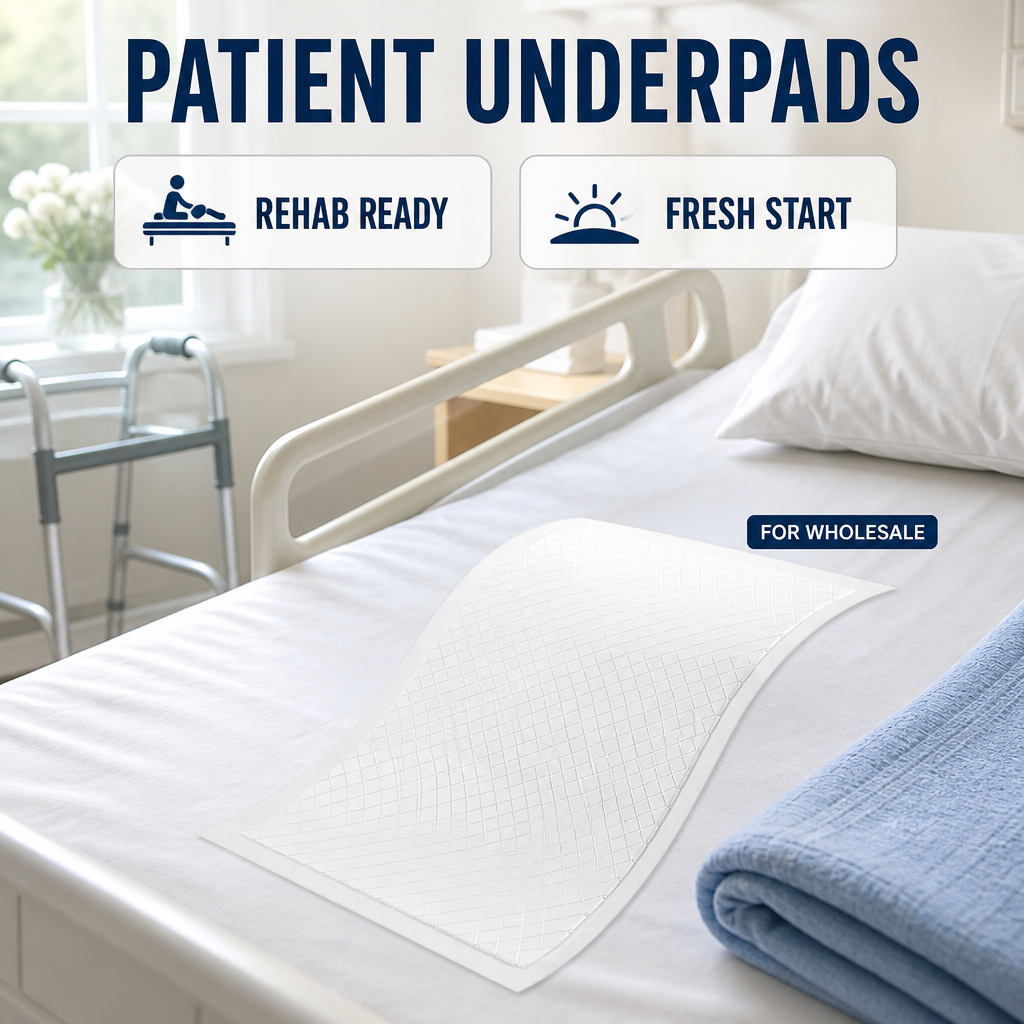
When evaluating patient underpads, several specifications should be prioritized:
Absorbency: This is a critical factor as it determines how well the underpad will prevent leaks. It is quantified in milliliters and should align with the expected usage and patient needs.
Size: Underpads come in various dimensions. Selecting the right size is essential to ensure adequate coverage and fit for different patient setups.
Material: The choice of material affects not only absorbency but also comfort and skin health. Common materials include non-woven fabrics, cotton, and polymer layers. Utilizing Baby wipes alongside underpads can further enhance hygiene practices.
Backsheet: This layer prevents fluid from leaking through to the surface below. It should be durable and moisture-resistant to protect mattresses and furniture.
Weight and Thickness: Heavier and thicker options typically offer better absorbency but may also be bulkier, which could affect comfort and placement.
Sealability: Consideration should be given to how the underpad is sealed, as this impacts performance. Options include adhesive strips or elastic edges to hold the pad securely in place.
Understanding these specifications will help buyers select the appropriate product for their specific operational environments, ensuring both efficacy and patient comfort.
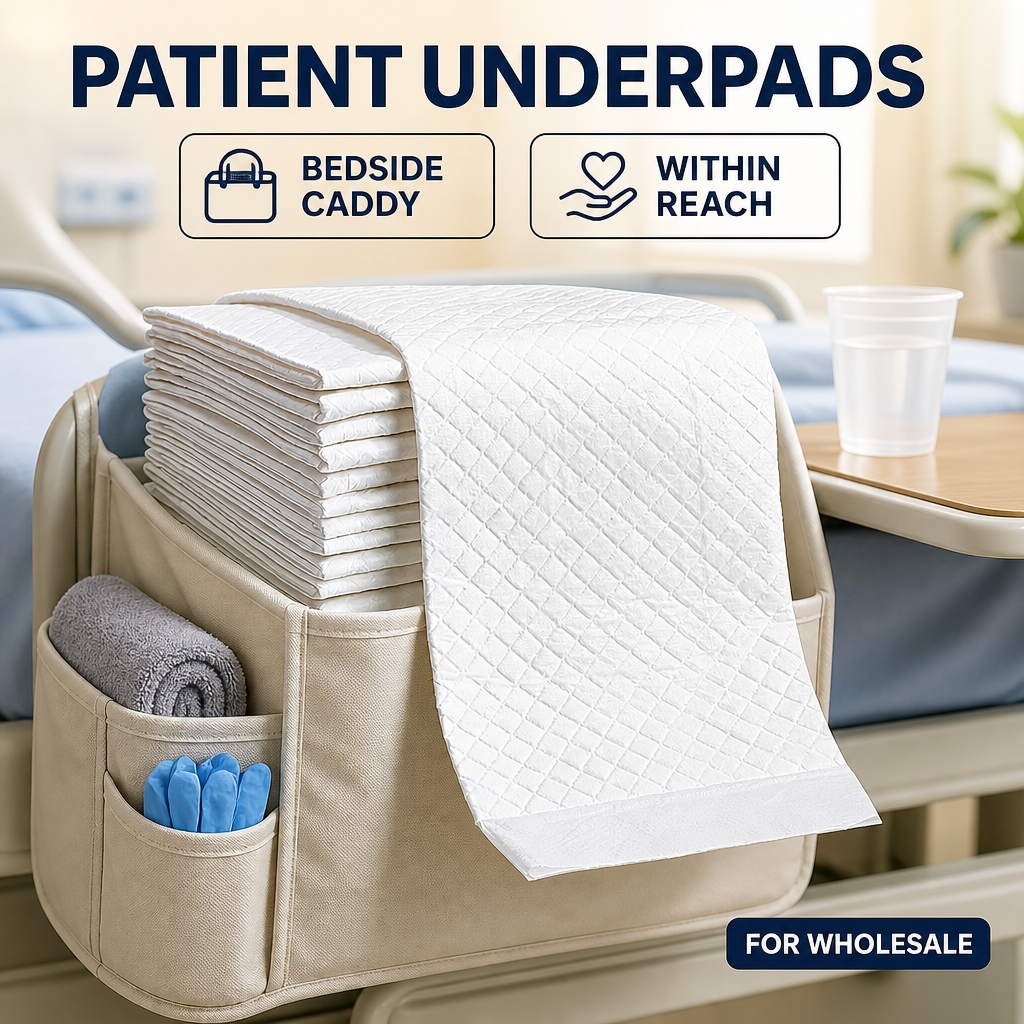
Quality assurance is paramount in the production of patient underpads. At Kimlead Hygiene Products, our manufacturing facilities adhere to strict quality control processes, ensuring all products meet international standards for medical devices. This includes rigorous testing of raw materials, production processes, and final products.
The materials used in patient underpads vary widely, impacting their performance and suitability. Common materials include:
Polypropylene and Polyethylene: These materials are often used for the backsheet due to their moisture-resistant properties. Super Absorbent Polymers (SAP): These enhance the absorbency of the underpads, making them suitable for high-usage scenarios. Non-Woven Fabrics: These provide comfort against the skin while offering effective moisture management.Buyers should inquire about the sourcing and testing of these materials to ensure they align with health and safety standards, as well as the specific needs of their patient population.
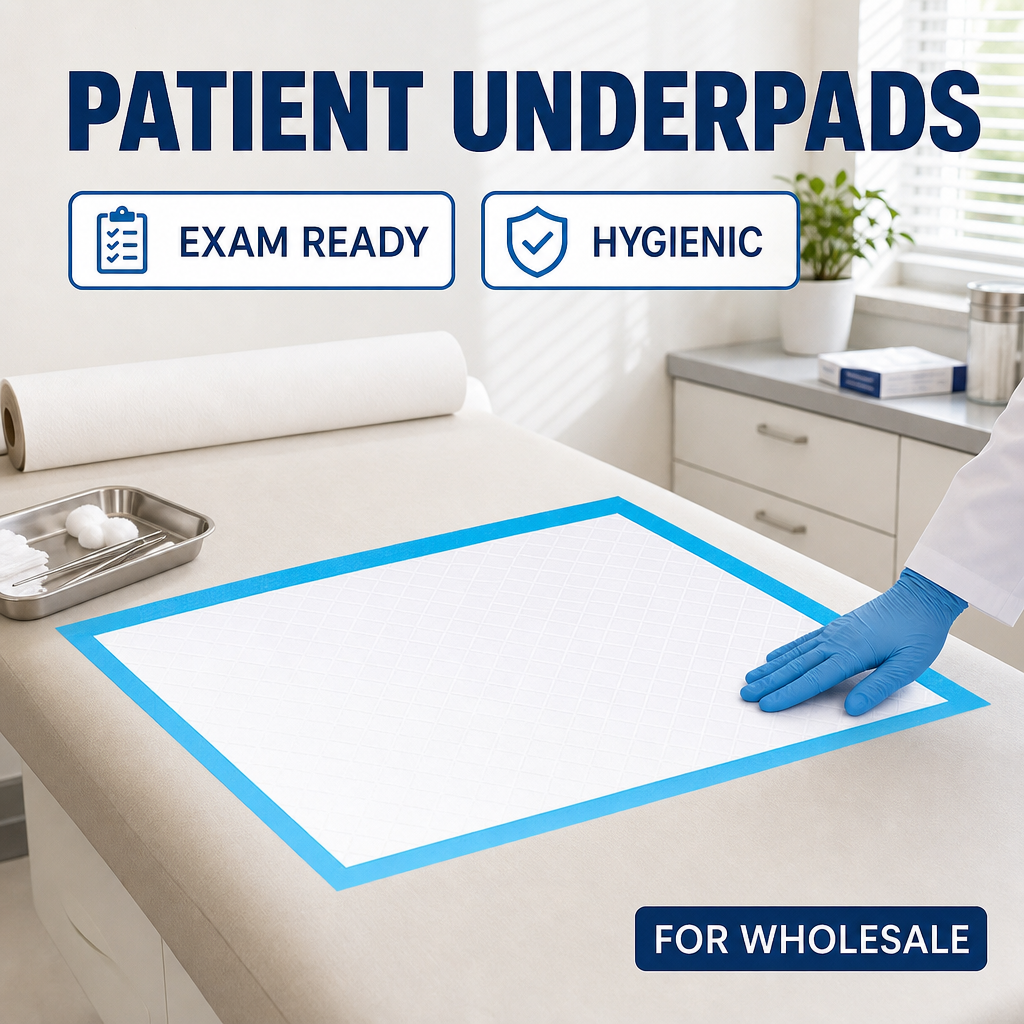
Correct installation of patient underpads is essential to maximize their effectiveness. Here are practical steps for proper installation in healthcare settings:
Preparation: Ensure the surface on which the underpad will be placed is clean and dry. This helps maintain hygiene and ensures the adhesive backing, if applicable, adheres properly.
Placement: Position the underpad under the patient, ensuring it covers the required area. This may vary depending on whether the patient is in a bed, chair, or wheelchair.
Securing: If the underpad has adhesive strips, peel back the covering and press down firmly to secure it in place. For pads without adhesives, ensure they lie flat and do not bunch up to maintain comfort.
Monitoring: Regularly check the underpad for saturation and replace it as needed. Frequent changes will help maintain hygiene and comfort for the patient.
By following these guidelines, healthcare providers can ensure that patient underpads are installed correctly, providing maximum protection and comfort.
Kimlead continuously invests in RD and innovation to maintain our market leadership. We have a professional RD team dedicated to developing new materials, techniques, and designs to meet the constantly changing market requirements. We have created our own range of biodegradable product, using eco-friendly production methods and energy-efficient design. Our innovations don't just enhance the product's performance but also promote sustainability and environmental friendliness. We are always looking for Grown up diapers, striving to deliver the most sophisticated and best quality products to our customers. Kimlead is a company that is committed to innovation and strives for excellence.
Kimlead has a skilled design team Grown up diapers of customizing the appearance, functionality as well as size and color according to customer needs. Our team collaborates closely with our customers to ensure the final product is up to their standards. We provide high-quality adult merchandise, as well as OEM as well as ODM services based on the clients' requirements regarding their brand. The process of customizing includes everything from analysis of the requirements, sample production, mass production, and even delivery makes sure that each process is at the very highest standards. Kimlead offers customized services to meet your specific needs.
Kimlead boasts 15 years of production experience offering high-quality Adult in a diaper Our factory covers 46 000 square meters and is fitted with the latest production equipment For instance Mitsubishi high-speed automatic production machines with fully-servo technology which are capable of producing 200 000 pieces every day Our production processes adhere to international standards and are certified by CE FDA ISO13485 and ISO9001 We use the Techmach vision inspection system and tension control system that ensures each product goes through a thorough inspection at over 200 points Our manufacturing capabilities allow us to not just a high-quality product as well as the ability to fulfill large-scale orders and ensure timely delivery When you choose Kimlead you gain access to our extraordinary manufacturing capabilities and efficient production processes
Kimlead uses stringent quality Continence pad processes to ensure the quality of each product meets international standards. Our factory is equipped with an expert laboratory for testing and a quality assurance system that includes over 30 different types of tests. Our products are tested according to international standards like ISO and CE. We also carefully select our raw materials to ensure that every batch meets high quality standards. We do not just focus on compliance with the product, but make a commitment to provide safe and reliable hygiene products providing customers with the highest level of peace of mind. Kimlead products are of highest quality and comply with all requirements.
Investing in premium materials for patient underpads offers several advantages:
Enhanced Absorbency: High-quality materials, such as those with advanced SAP technology, provide superior absorbency, minimizing the risk of leakage and enhancing patient comfort.
Improved Skin Health: Premium materials often include soft, breathable fabrics that reduce friction and moisture buildup, lowering the risk of skin irritation and infections.
Durability: Underpads made from high-quality materials are typically more durable, providing better performance over extended periods and in high-usage environments.
Cost-Effectiveness: While premium underpads may come at a higher upfront cost, their durability and effectiveness can lead to lower overall costs due to reduced waste and fewer replacements.
Customizability: Premium materials can often be tailored to meet specific requirements, such as sizes, absorbency levels, and branding, making them suitable for a variety of healthcare settings.
When selecting patient underpads, buyers should evaluate the long-term benefits of investing in premium materials against their operational needs and budget constraints. Understanding these advantages helps guide purchasing decisions, ensuring that facilities provide the best care for their patients.

Kimlead Hygiene mainly produces adult diaper, adult pull up diaper, under pad, pet training pad, and operating international OEM/ODM business.
 EN