Incontinence underpads are specialized absorbent products designed to protect bedding, chairs, and other surfaces from moisture and staining caused by incontinence. For B2B buyers, understanding the right specifications and sourcing strategies for these products is crucial. Buyers often face concerns regarding material quality, reliability, bulk ordering advantages, and supplier evaluations. This article will provide valuable insights into sourcing incontinence underpads, including specifications to consider, benefits of bulk orders, installation guidance, reliable supplier identification, and applications in healthcare settings.
When selecting incontinence underpads, several key specifications should be thoroughly evaluated:
Material: The choice of material directly impacts absorbency, softness, and skin compatibility. Common materials include non-woven fabrics, polyethylene, and absorbent cores made from fluff pulp or superabsorbent polymers. It's important to choose materials that ensure comfort while providing adequate moisture barrier properties.
Dimensions: Underpads come in various sizes, typically ranging from small to extra-large. The size should be appropriate for the intended application, whether for individual use at home or for institutional settings. Sizing affects coverage area and overall effectiveness in preventing leaks.
Absorbency Capacity: This specification indicates how much liquid the underpad can hold before saturating. It's essential to match the absorbency level with the expected usage, ensuring that the product can handle urine output without compromising performance.
Sealing and Edging: The construction of the pad, including its sealing and edging, is vital for preventing leaks. Look for underpads with reinforced edges or barriers that enhance liquid containment and durability.
Certification Standards: Ensure that the underpads comply with relevant medical device standards to guarantee safety and effectiveness. Certifications can also provide assurance regarding the quality control processes in place during manufacturing.
Understanding these specifications will help buyers make informed decisions and select the right incontinence underpads tailored to their specific needs. For instance, buyers might also consider complementary products like Baby wipes for hygiene maintenance.
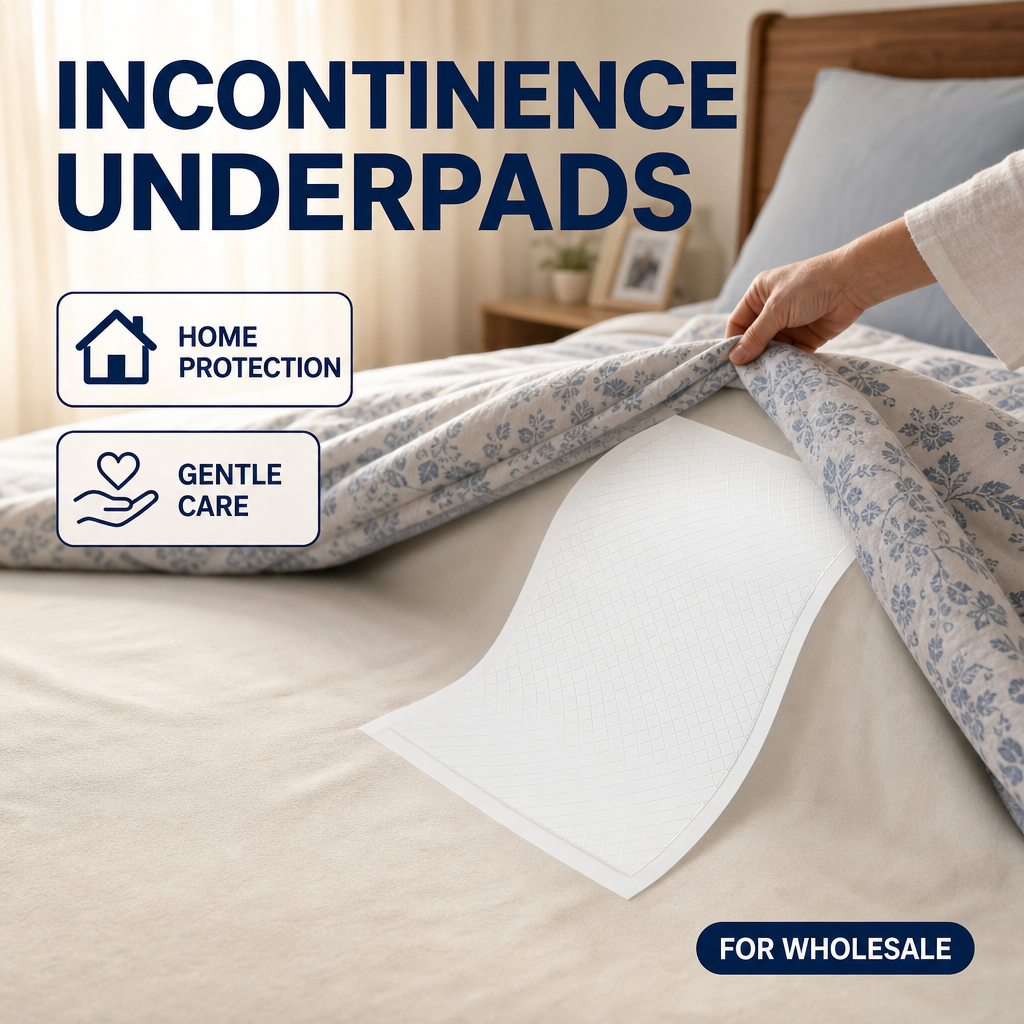
Purchasing incontinence underpads in bulk offers several advantages for B2B buyers:
Cost Savings: Bulk ordering typically results in lower per-unit prices due to economies of scale. This can significantly reduce overall procurement costs, particularly for organizations with high usage rates.
Consistent Supply: Establishing a bulk order agreement with a supplier ensures a reliable and steady supply of products. This is particularly important in healthcare settings where uninterrupted availability is critical.
Simplified Logistics: Ordering in larger quantities can reduce shipping frequency, which streamlines logistics and minimizes transportation costs. Consolidating orders helps in managing inventory more efficiently and reduces the risk of stockouts.
Customization Opportunities: Suppliers may offer additional customization options for bulk orders, such as specific dimensions, packaging, or branding. This can enhance a company's ability to meet unique customer requirements and reinforce brand identity in the market.
Negotiation Leverage: Committing to bulk purchases can provide buyers with greater negotiating power regarding pricing, payment terms, and delivery schedules, enabling more favorable procurement agreements.
Overall, bulk ordering is a strategic approach that can lead to substantial savings and operational efficiencies for businesses. Additionally, it's worth noting that products such as Baby Diapers can also benefit from similar bulk purchasing strategies.
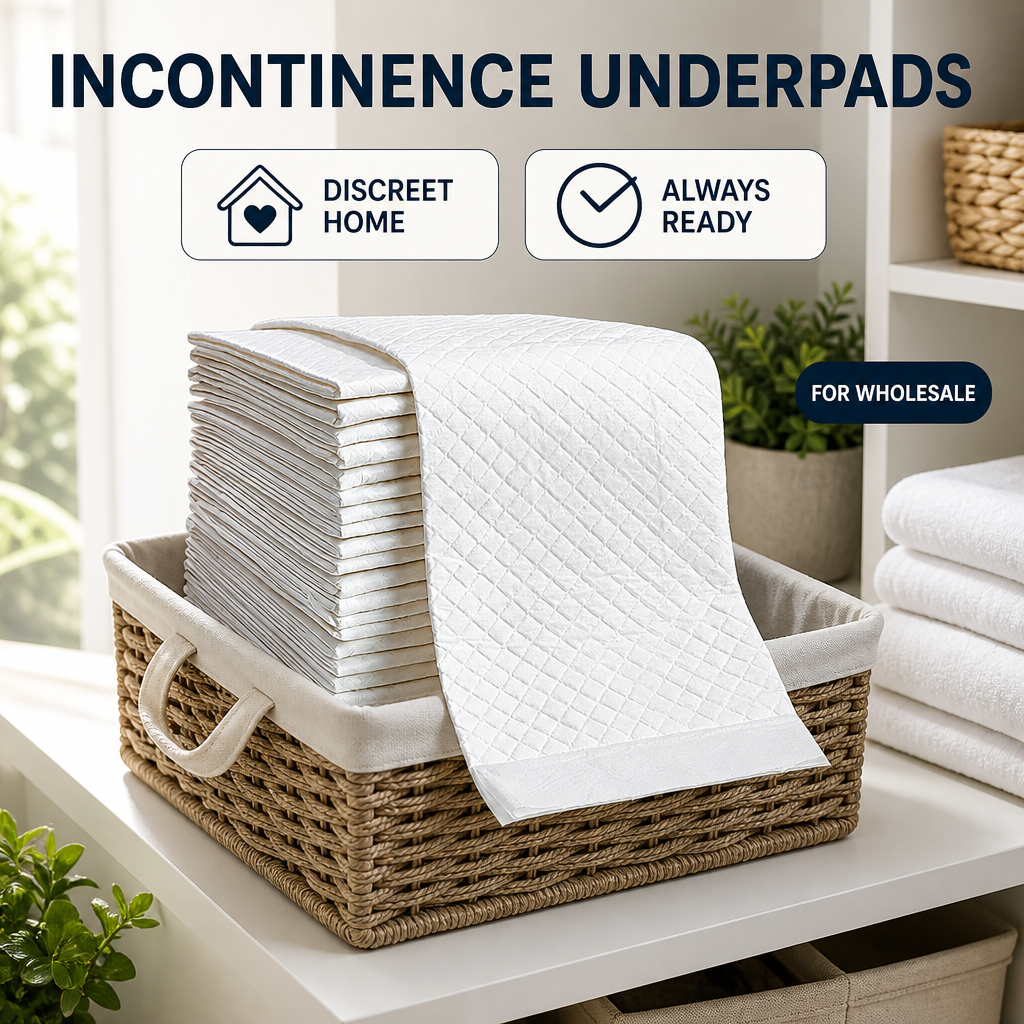
To maximize the effectiveness of incontinence underpads, proper installation and usage are crucial. Here are some practical tips:
Surface Preparation: Ensure that the surface where the underpad will be placed is clean and dry. This ensures optimal adhesion if the product has a sticky backing and prevents slippage.
Correct Placement: Align the underpad correctly to cover the area most likely to be affected by leaks. For individuals, this may involve positioning the pad under the hips; for chairs or bedding, ensure that the pad extends beyond the expected area of use.
Layering: In some cases, especially in high-risk environments like hospitals or nursing homes, layering two underpads may provide additional protection and absorbency. This should be done cautiously to avoid excessive bulk, which may cause discomfort.
Regular Replacement: Establish a routine for checking and replacing underpads. Regular changes not only maintain hygiene but also prevent skin irritation and discomfort for users.
Training Staff: In institutional settings, training staff on the proper use and disposal of underpads can enhance compliance with best practices and improve overall care quality.
Following these guidelines will help ensure that incontinence underpads perform at their best, thereby providing effective protection and comfort.
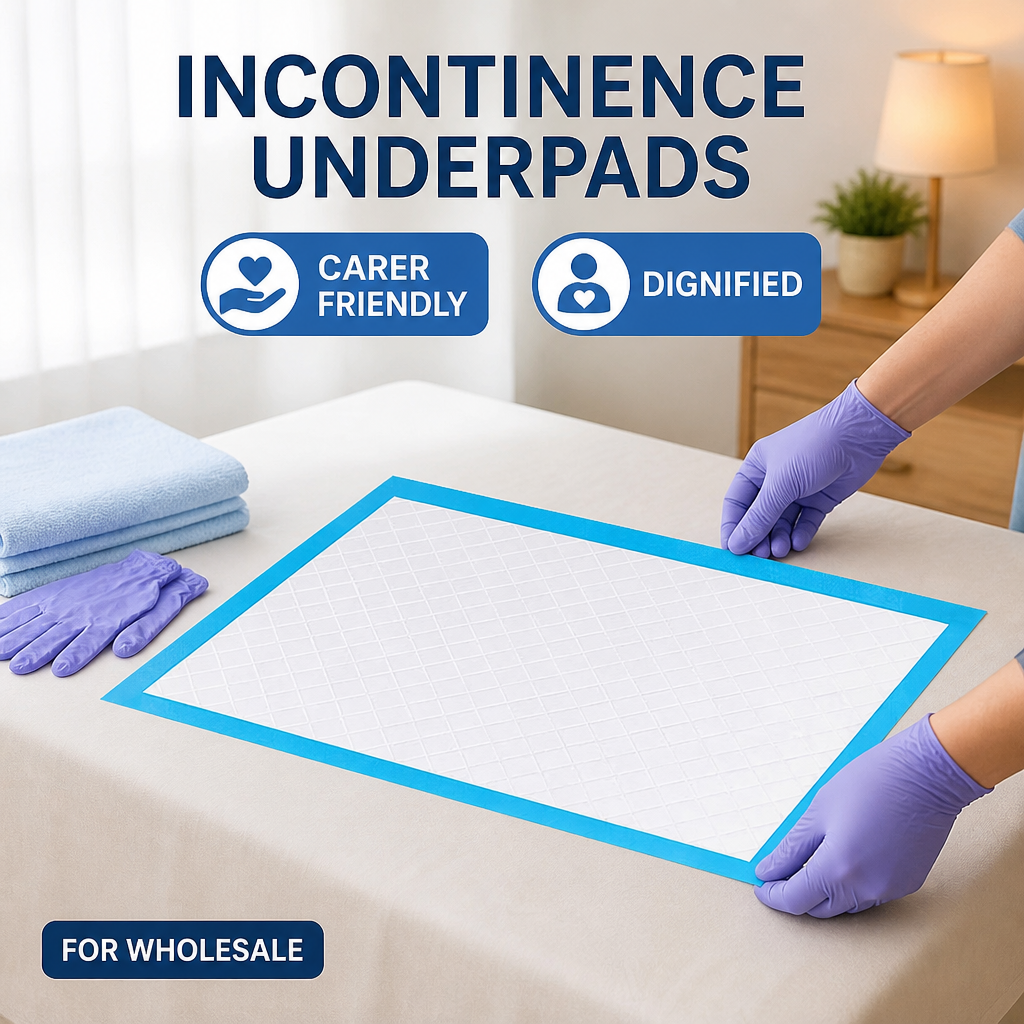
Finding trustworthy suppliers for incontinence underpads is critical to ensuring product quality and reliability. Here are some steps to identify reputable manufacturers:
Industry Research: Start by researching manufacturers in the hygiene products sector that specialize in incontinence products. Look for companies with a solid reputation and positive customer reviews.
Certifications and Compliance: Verify that suppliers hold necessary certifications for medical devices and adhere to quality management standards, such as ISO certifications. This helps ensure that the products meet safety and performance benchmarks.
Product Samples: Request samples before placing a bulk order. Testing samples allows buyers to evaluate absorbency, material quality, and comfort, ensuring that the product meets the required specifications.
Production Capabilities: Assess the manufacturer's production capabilities, including their ability to handle custom orders and their lead times. This is essential for ensuring that they can meet specific demand levels without compromising quality.
Direct Communication: Engage in direct communication with potential suppliers. Discussing your specific needs, asking about their quality control processes, and understanding their logistics can provide deeper insights into their reliability as a supplier.
By carefully evaluating potential suppliers, buyers can establish long-term partnerships that enhance their product offerings and operational efficiencies.
Kimlead's Underpad can modify the appearance of products dimensions, function and appearance to meet the requirements of our customers. Our team collaborates closely with customers to ensure that the final product conforms to their specifications. We offer premium adult hygiene products and offer OEM and ODM services that are based on the clients' brand requirements. Our customization process includes everything from analysis of requirements, sampling production, mass production, and even delivery, ensures that every step is of the highest standard. If you select Kimlead You will receive professional services for customization that are tailored to your individual requirements.
Adult diapers has over 15 years of experience in the production of high-end hygiene items. The factory, which covers 46,000 square meters, is outfitted with the latest equipment for production. For instance, Mitsubishi high-speed automatic production machines that are fully-servo, that can manufacture 200,000 products every day. Our production processes comply with international standards and are certified by CE and FDA. ISO13485 and ISO9001 also validate our products. Techmach's vision inspection system and tension system guarantee that every item is thoroughly scrutinized through more than 200 locations. Our manufacturing capabilities allow us to not just efficient production, but also meet massive orders and guarantee prompt delivery. If you select Kimlead you gain access to our manufacturing expertise and efficient manufacturing processes.
Kimlead invests in continuous RD to ensure competitiveness in the market. Our RD team is dedicated to developing Adult in a diaper, designs, and methods to meet constantly changing requirements of the market. We've developed independently a range of biodegradable products, following eco-friendly production processes with degradable materials and energy efficient designs. Our innovations will not only enhance product performance but also contribute to sustainability and environmental friendliness. We constantly seek breakthroughs and strive to offer the most innovative and high-quality products for our customers. Kimlead is an organization that seeks out innovation and excellence.
Kimlead uses stringent quality Continence pad processes to ensure the quality of each product meets international standards. Our factory is equipped with an expert laboratory for testing and a quality assurance system that includes over 30 different types of tests. Our products are tested according to international standards like ISO and CE. We also carefully select our raw materials to ensure that every batch meets high quality standards. We do not just focus on compliance with the product, but make a commitment to provide safe and reliable hygiene products providing customers with the highest level of peace of mind. Kimlead products are of highest quality and comply with all requirements.
Incontinence underpads are widely used in various healthcare settings, providing essential support in managing patient care. Key applications include:
Hospitals: Inpatient care units utilize underpads to protect beds and other surfaces from moisture, preventing skin breakdown and maintaining hygiene standards.
Nursing Homes: Incontinence underpads are vital in long-term care facilities, where they ensure that residents remain comfortable and protected, reducing the risk of incontinence-related skin issues.
Home Care: For patients receiving care at home, underpads offer a practical solution for managing incontinence, helping caregivers maintain a clean environment and ensuring patient dignity.
Rehabilitation Facilities: In rehabilitation settings, underpads can support patients who may experience temporary incontinence while recovering from surgery or injury.
Pediatric Care: Underpads are also applicable in pediatric care for children with conditions that may cause incontinence, providing comfort and protection in a non-intrusive manner.
Understanding these applications helps buyers recognize the essential role of incontinence underpads in enhancing patient care and maintaining hygiene standards across various healthcare environments.

Kimlead Hygiene mainly produces adult diaper, adult pull up diaper, under pad, pet training pad, and operating international OEM/ODM business.
 EN