Under pads for beds are protective sheets designed to absorb moisture and protect bedding, making them essential in various healthcare and personal care settings. These products are crucial for maintaining hygiene and comfort, especially for individuals with incontinence or limited mobility. B2B buyers, such as purchasing managers and healthcare providers, face challenges when selecting under pads, including product specifications, quality control, and supplier reliability. This article aims to provide valuable insights into the benefits, sourcing, and potential issues associated with under pads for beds, equipping buyers with the knowledge needed to make informed purchasing decisions.
Under pads for beds offer several key benefits that are particularly relevant in healthcare environments. First and foremost, they provide a hygienic barrier between the individual and the bed, protecting the mattress from spills and stains. This is vital in hospitals, nursing homes, and home care settings, where maintaining cleanliness is paramount.
Additionally, these pads are designed to absorb moisture, which helps to enhance patient comfort and reduce the risk of skin irritation or pressure ulcers. Their absorbent materials can vary in thickness and construction, and selecting the right type can significantly impact patient outcomes. For example, pads with higher absorbency levels are ideal for patients with heavier incontinence issues, such as those using Kimlead Adult Diapers.
Moreover, under pads can also promote easier cleanup and maintenance of bedding, which saves time and resources for caregivers. By minimizing the need for frequent mattress cleaning or replacement, facilities can improve their operational efficiency. Overall, under pads for beds are a crucial component in maintaining hygiene and comfort, making them indispensable in healthcare settings.
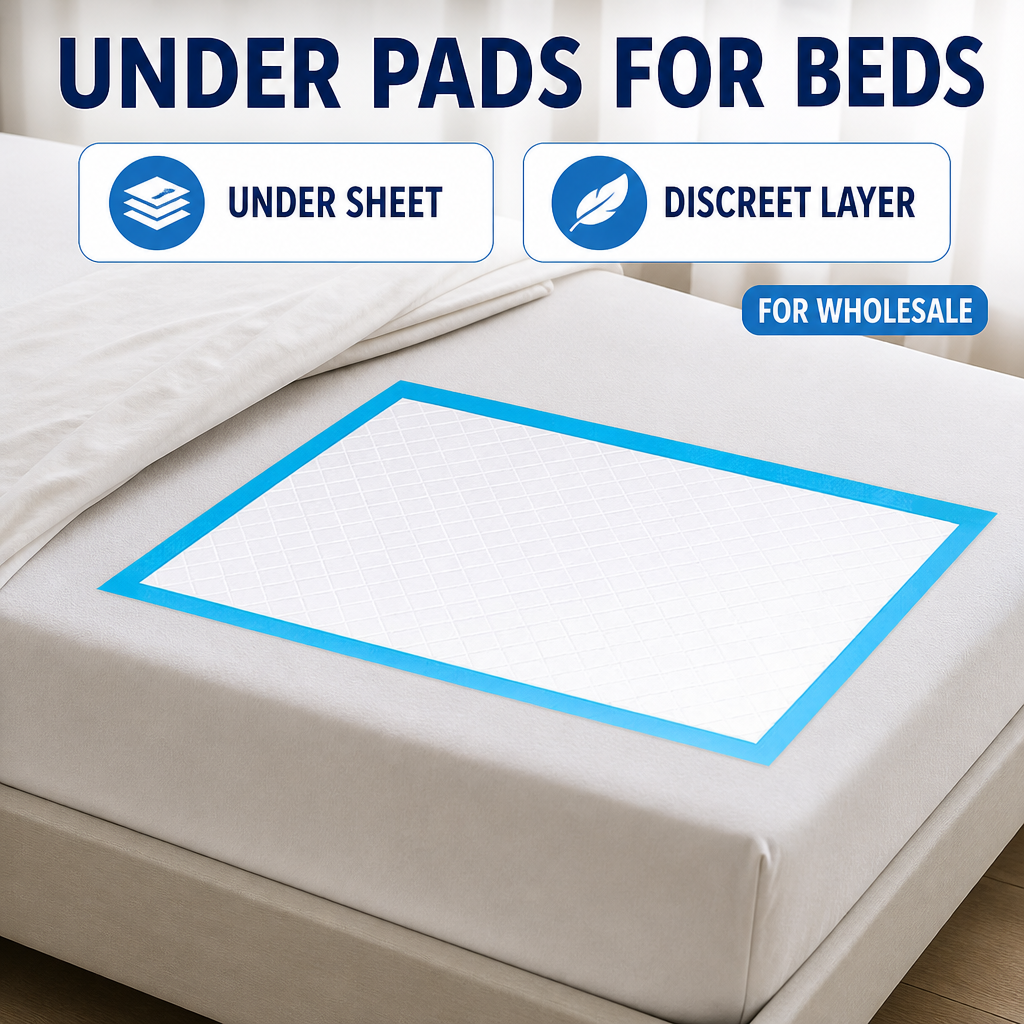
When selecting under pads for beds, buyers should consider several important factors. Key product specifications include material composition, absorbency rates, size, and thickness. Common materials used in under pads include non-woven fabrics, polyethylene, and super absorbent polymers. Each material has distinct properties that affect performance; for instance, non-woven fabrics are often softer and more comfortable against the skin, while polyethylene may offer better waterproofing.
Buyers should also evaluate the absorbency capacity, typically measured in milliliters, which indicates how much liquid the pad can hold before saturation. This is crucial for ensuring the product meets the specific needs of the intended users. The size of the under pads should correspond to the dimensions of the bed and the patient’s needs, while thickness impacts both comfort and absorbency.
Customization options are another important consideration. Many manufacturers, including Kimlead Hygiene Products, offer OEM and ODM services, allowing buyers to tailor specifications to meet their unique requirements. Understanding these factors can help buyers make informed decisions that align with their operational needs.
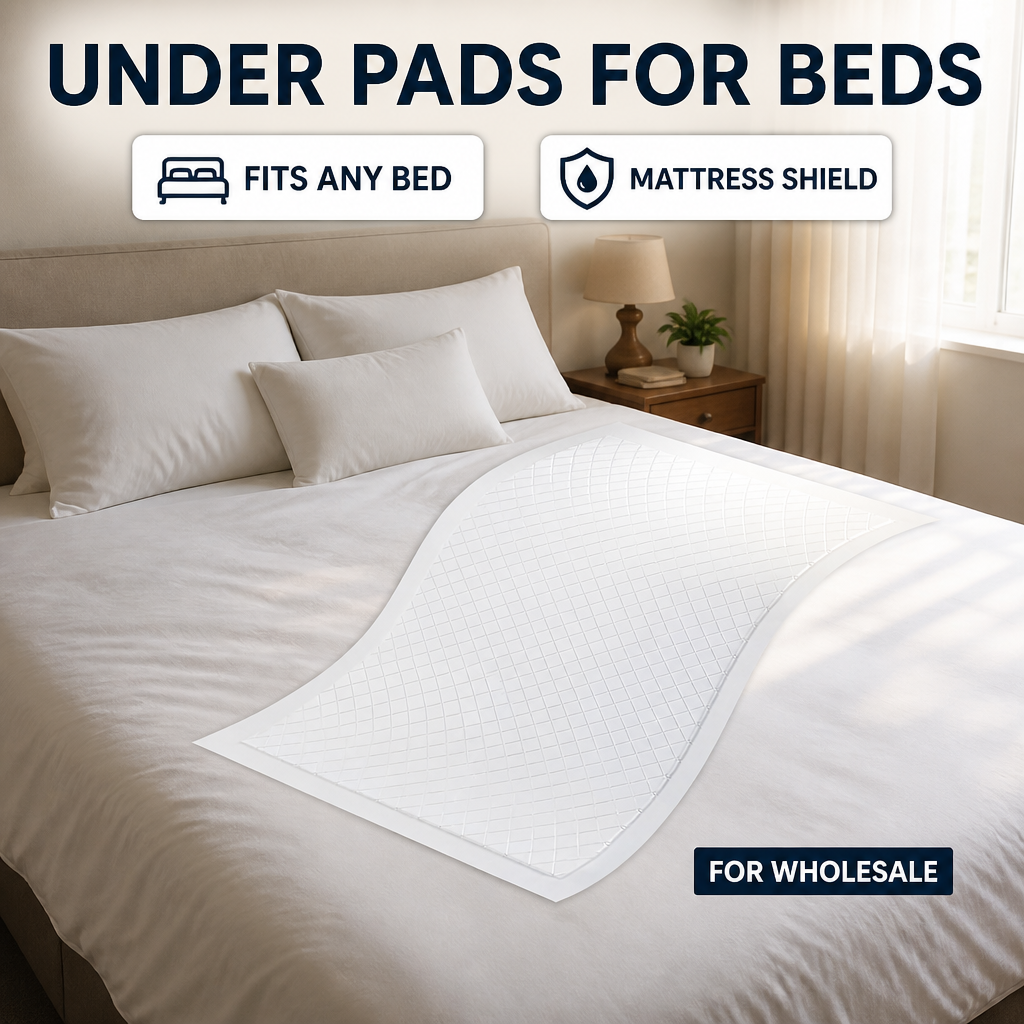
Finding reliable wholesale suppliers for under pads for beds requires careful evaluation. Buyers should look for manufacturers with a proven track record in the medical and hygiene product sectors. Key indicators of reliability include certifications that demonstrate compliance with national and international standards, such as ISO certifications for quality management and manufacturing processes.
Additionally, buyers can seek suppliers who maintain high-quality control standards. It's advisable to inquire about their production capabilities, including the equipment used and the processes in place for quality assurance. For instance, Kimlead Hygiene Products operates first-class, dust-free workshops that meet stringent medical device standards, ensuring that their products are produced in a controlled environment.
Another effective way to identify trustworthy suppliers is through industry recommendations and reviews. Networking within industry associations, attending trade shows, and leveraging online B2B marketplaces can help buyers connect with reputable manufacturers. Lastly, requesting samples before placing bulk orders can provide insight into product quality and performance.
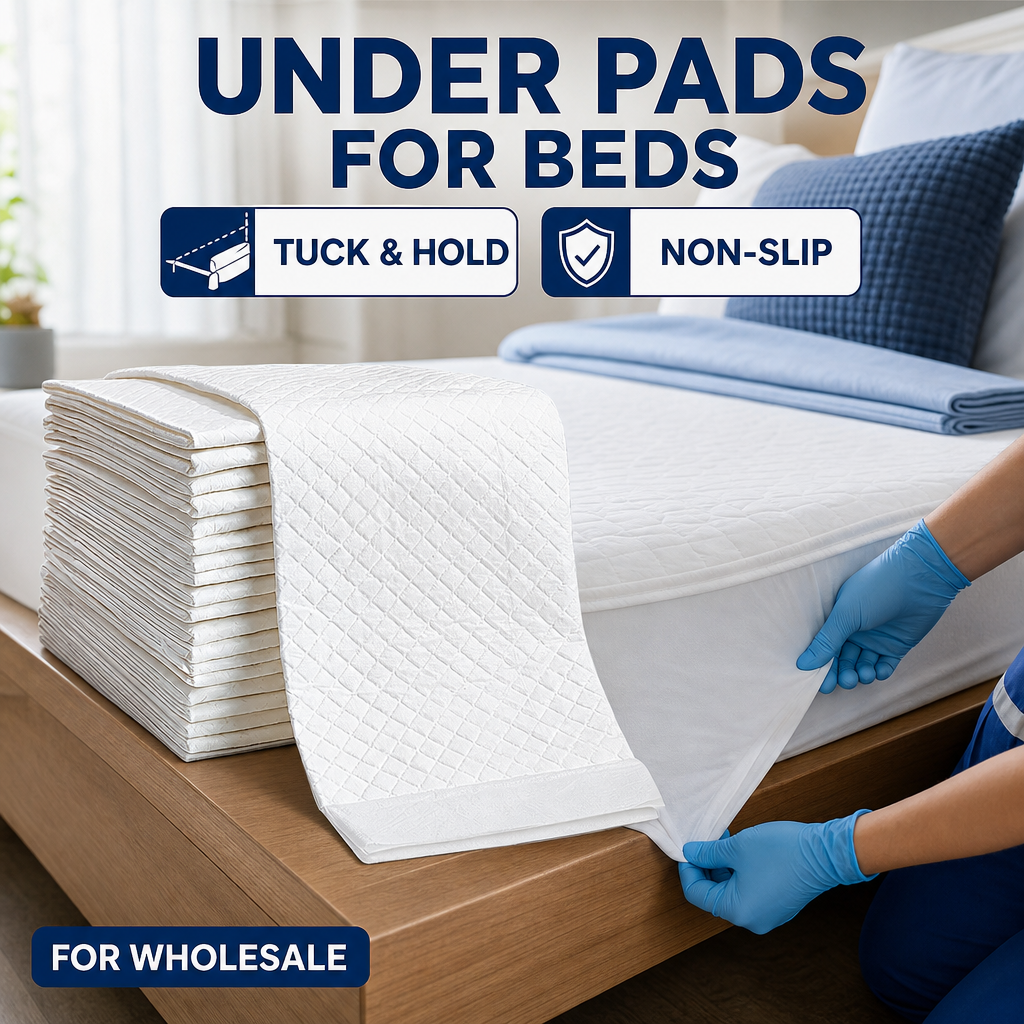
Despite their benefits, under pads for beds can present several challenges. One common problem is improper sizing, which can lead to inadequate coverage and increased risk of leakage. To mitigate this, buyers should carefully measure the intended use area and consult with suppliers to select the appropriate sizes.
Another issue is the absorbency capacity. If the pads do not hold enough liquid, it can result in discomfort for users and potential mattress damage. Buyers should assess the absorbency ratings and consider the specific needs of their clientele, particularly in high-use settings.
Additionally, product durability can be a concern, especially if the pads are not designed to withstand multiple uses. Selecting high-quality materials and confirming the product’s intended lifespan with the supplier can help address this issue. For instance, pads designed for single-use applications may not perform well if reused, so understanding the intended use is crucial.
Communication with suppliers can also help address potential problems. Establishing clear expectations regarding delivery schedules, quality standards, and returns can facilitate a smoother purchasing process and reduce the likelihood of issues arising after the order is placed.
Kimlead always Continence pad in RD and in innovation to ensure the competitiveness of its market. We have a skilled RD team that is dedicated to creating new materials, technologies, and designs to meet the ever-changing market demands. We have developed our own line of biodegradable items, employing environmentally friendly production techniques and a sustainable design. Our innovations enhance the product's performance but also contribute to sustainability and environmental stewardship. Our continuous pursuit of new technologies is aimed at providing the highest quality products and services to our customers. Kimlead is an organization that values innovation and strives for excellence.
Adult diapers has over 15 years of experience in the production of high-end hygiene items. The factory, which covers 46,000 square meters, is outfitted with the latest equipment for production. For instance, Mitsubishi high-speed automatic production machines that are fully-servo, that can manufacture 200,000 products every day. Our production processes comply with international standards and are certified by CE and FDA. ISO13485 and ISO9001 also validate our products. Techmach's vision inspection system and tension system guarantee that every item is thoroughly scrutinized through more than 200 locations. Our manufacturing capabilities allow us to not just efficient production, but also meet massive orders and guarantee prompt delivery. If you select Kimlead you gain access to our manufacturing expertise and efficient manufacturing processes.
Kimlead uses stringent quality Continence pad processes to ensure the quality of each product meets international standards. Our factory is equipped with an expert laboratory for testing and a quality assurance system that includes over 30 different types of tests. Our products are tested according to international standards like ISO and CE. We also carefully select our raw materials to ensure that every batch meets high quality standards. We do not just focus on compliance with the product, but make a commitment to provide safe and reliable hygiene products providing customers with the highest level of peace of mind. Kimlead products are of highest quality and comply with all requirements.
Kimlead has a highly skilled design team that can customize the appearance, function, size, and color to suit the customer's needs. Our team works closely with our customers to ensure that the final product meets to their Incontinence pads. We offer quality adult hygiene products that are of the highest standard and offer OEM as well as ODM services based on our clients' specific brand requirements. From requirement analysis through samples production, and finally to mass production and delivery, our customization process ensures every step meets the highest standards. Kimlead offers customized services to meet your individual needs.
Cost is a significant factor for buyers when purchasing under pads for beds. Several elements influence pricing, including the materials used, absorbency levels, and customization options. Generally, products made from high-quality, absorbent materials tend to be more expensive but may offer better performance and longevity.
Buyers should also consider the total cost of ownership rather than just the upfront price. This includes evaluating how often the pads will need to be replaced and any associated labor costs for caregivers. For instance, a less expensive pad that requires frequent replacement may end up costing more in the long run than a higher-quality option that lasts longer.
Minimum Order Quantities (MOQ) can also affect pricing. Suppliers may offer lower prices for larger orders, so understanding the MOQ can help buyers plan their purchases more effectively. Additionally, shipping costs can vary based on order size and destination, which should be factored into the overall budget.
Finally, during negotiations, buyers should inquire about potential discounts for bulk orders or long-term contracts. Building a strong relationship with suppliers can lead to better pricing and terms over time, benefiting both parties in the long run.
By focusing on these considerations, B2B buyers can navigate the complexities of purchasing under pads for beds, ensuring they select the right products for their needs while managing costs effectively.

Kimlead Hygiene mainly produces adult diaper, adult pull up diaper, under pad, pet training pad, and operating international OEM/ODM business.
 EN