Incontinence under pads are essential products designed to provide protection for surfaces and individuals dealing with incontinence issues. As a B2B buyer, whether you're a purchasing manager, distributor, or healthcare provider, your main concerns typically revolve around product effectiveness, material quality, and cost efficiency. This article will guide you through selecting the right incontinence under pads, understanding wholesale purchasing options, evaluating key specifications, comparing brands, and installation guidance to ensure efficient use.
Selecting the right incontinence under pads begins with understanding the specific needs of your target audience. Consider factors such as absorbency level, size, and the type of material used. For instance, under pads made from breathable materials can enhance comfort for users, while those with higher absorbency rates are ideal for heavy incontinence situations. To enhance comfort, you might consider options like Kimlead underpads disposable incontinence pad bed pad.
It's also essential to determine the intended application. Will the pads be used in a clinical setting, at home, or in facilities like nursing homes? Each environment may require different features, such as additional waterproofing or larger sizes for bedridden patients. Furthermore, consider whether the pads will be disposable or reusable, as this will impact both cost and environmental considerations.
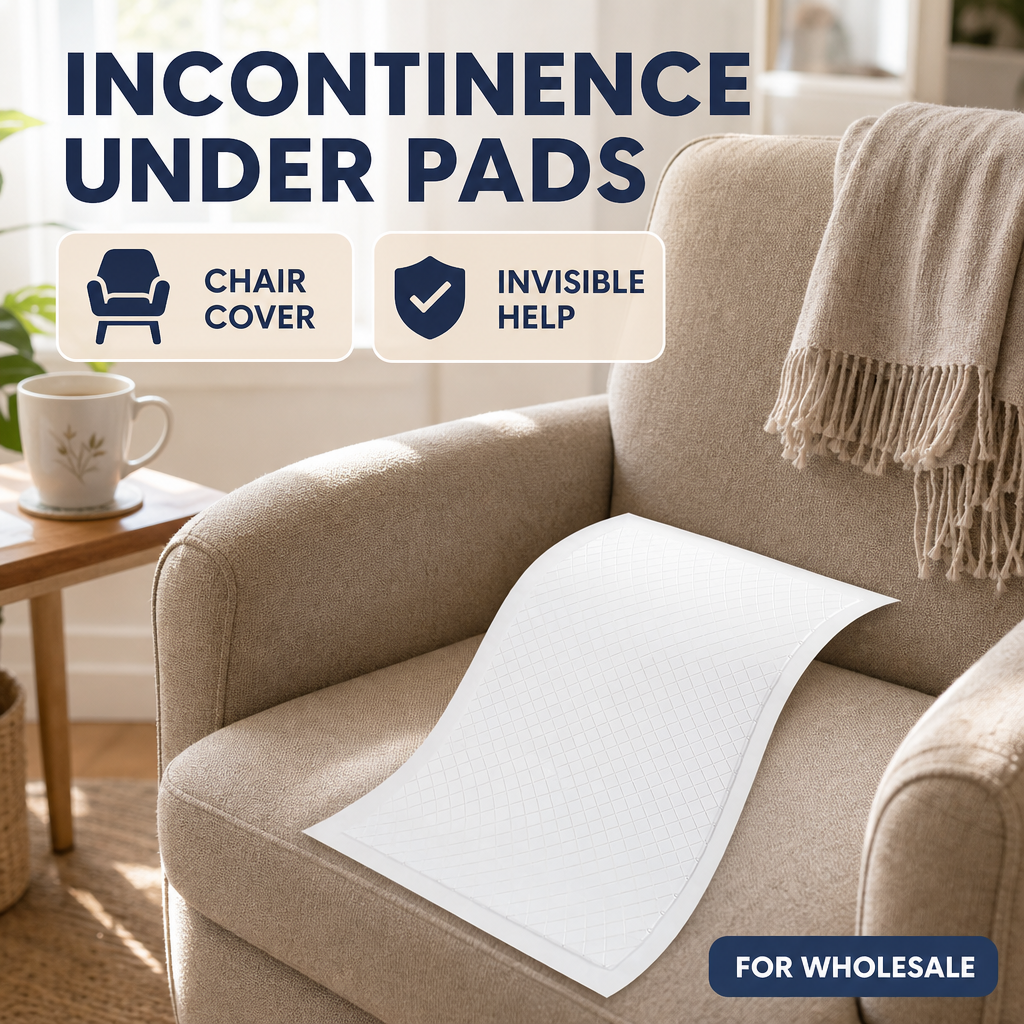
When it comes to wholesale purchasing of incontinence under pads, understanding pricing structures and minimum order quantities (MOQs) is crucial. Many manufacturers, including Kimlead Hygiene Products, often offer bulk pricing, which can significantly reduce per-unit costs. Buyers should inquire about available discounts for larger orders or long-term contracts.Kimlead absorbent underpad hospital grade underpads medical disposable under pad can be an excellent option for bulk purchasing.
Additionally, it’s important to evaluate the payment terms and delivery options. Most suppliers will provide flexible payment methods, but understanding lead times for manufacturing and shipping is key to managing inventory effectively. Ensure that the supplier can meet your delivery needs consistently, especially if you are managing the supply for a healthcare facility.
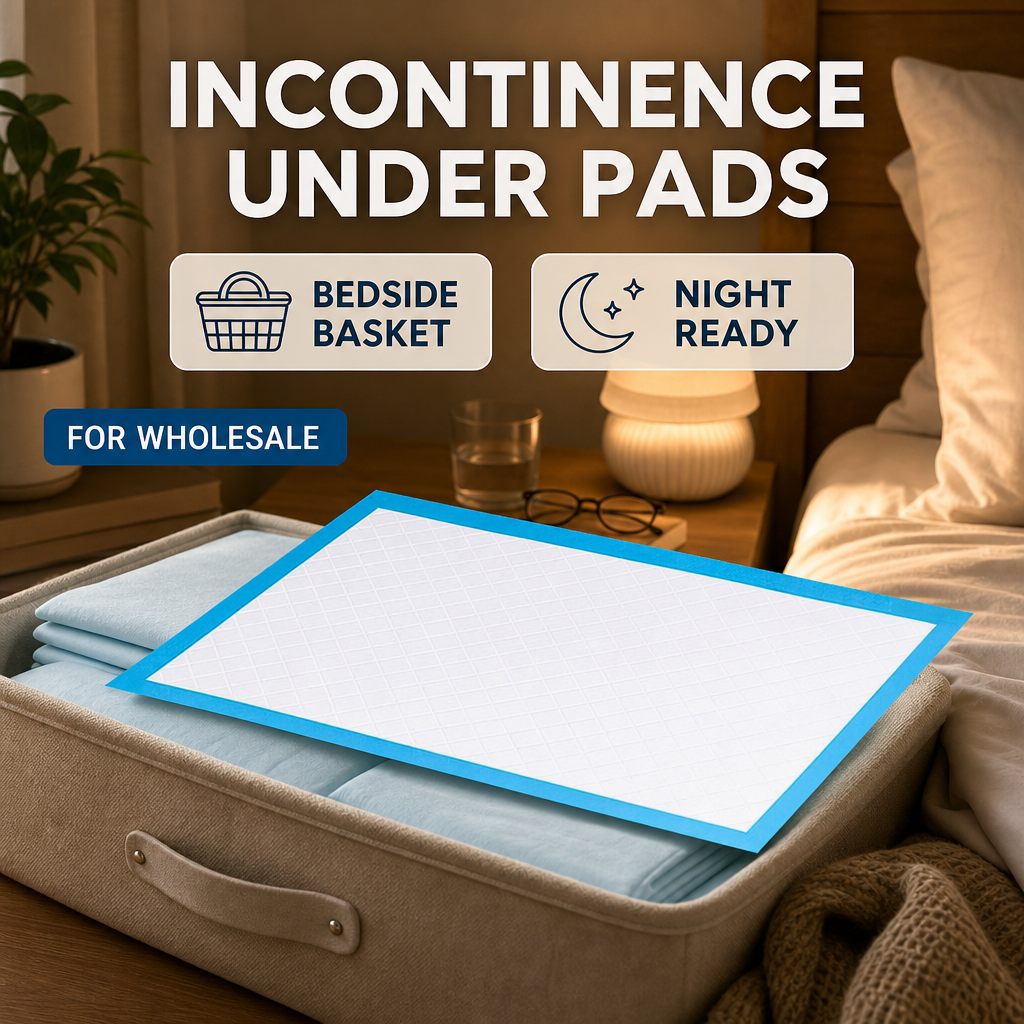
When assessing incontinence under pads, several specifications are critical to their performance:
Absorbency Capacity: This indicates how much liquid the pad can hold before it needs to be replaced. Higher absorbency is essential for individuals with more severe incontinence.
Material Composition: The materials used can affect comfort, breathability, and skin health. Common materials include non-woven fabrics, polymers, and fluff pulp. Each has unique properties that can influence performance.
Dimensions: Sizes usually vary, so it's crucial to match the pad size with the user’s needs and the intended use case, whether for beds, chairs, or other surfaces.
Sealing and Edge Design: Effective sealing can prevent leaks, while the design can affect how well the pad stays in place during use.
By evaluating these specifications, buyers can choose the most suitable products that align with their quality standards and user needs.
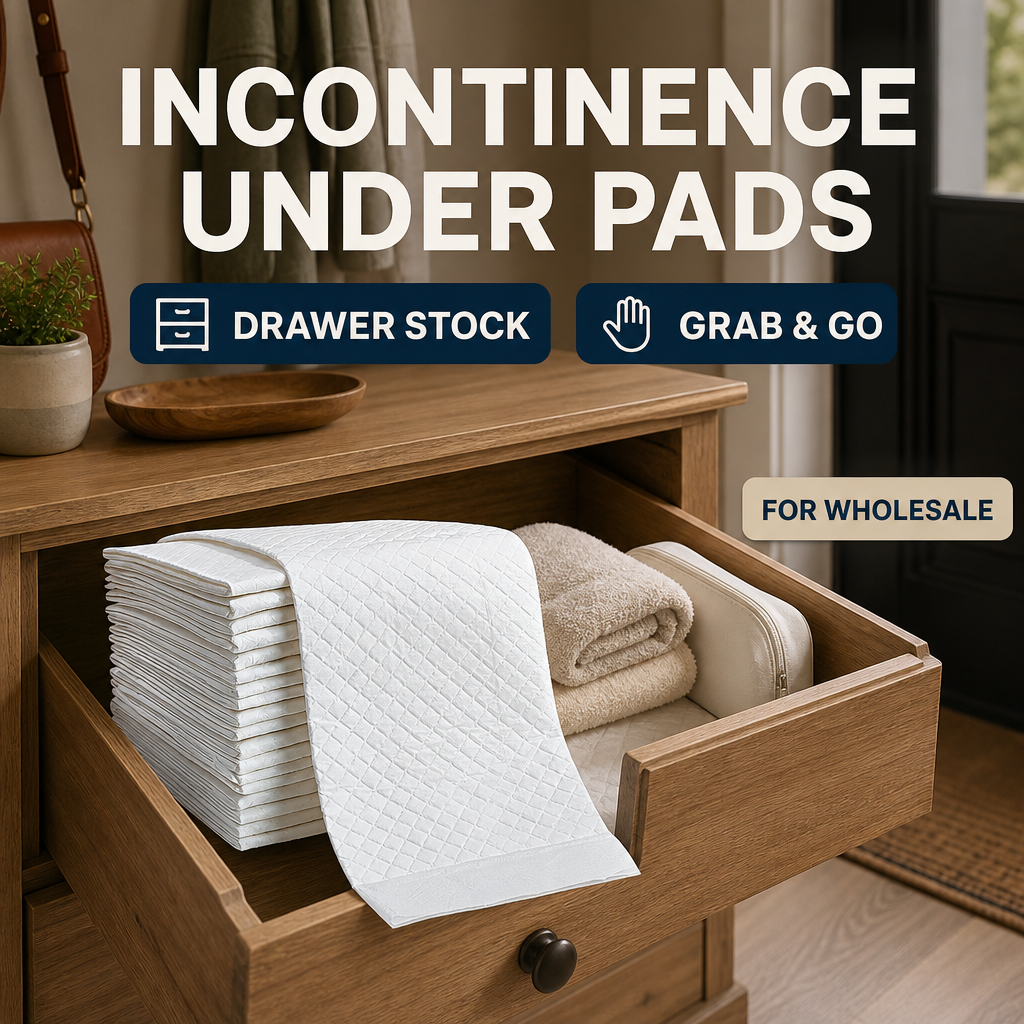
Quality can vary significantly between different brands of incontinence under pads. When comparing brands, consider the following aspects:
Certifications and Compliance: Check for certifications that indicate compliance with medical device standards. This not only assures quality but also enhances trust in the product.
User Feedback and Reviews: Real-world user experiences can provide insights into the product's performance, comfort, and reliability. Seek testimonials or case studies from healthcare facilities or other institutions.
Production Processes: Understanding a manufacturer's production capabilities can provide assurance of quality consistency. For instance, Kimlead Hygiene Products operates in state-of-the-art, dust-free workshops, ensuring a high level of cleanliness and quality control during production.
Conducting a thorough comparison will help you identify which brand aligns best with your quality requirements and budget constraints.
Puppy dog pads has strict quality control procedures to make sure that each product meets the international standards. Our facility is equipped with a manufacturing laboratory as well as a robust quality monitoring system, conducting more than 30 kinds of tests. We adhere to international certification standards like ISO and CE and ensure the safety and quality of our products. We also carefully select our raw materials in order to ensure that each batch satisfies high quality standards. We don't only concentrate on the quality of our products, but we also ensure that we provide high-quality and safe hygiene products that give customers complete satisfaction. Kimlead products are of the highest grade and are in compliance with all standards.
Kimlead invests in continuous RD to ensure competitiveness in the market. Our RD team is dedicated to developing Underpad, designs, and methods to meet constantly changing requirements of the market. We've developed independently a range of biodegradable products, following eco-friendly production processes with degradable materials and energy efficient designs. Our innovations will not only enhance product performance but also contribute to sustainability and environmental friendliness. We constantly seek breakthroughs and strive to offer the most innovative and high-quality products for our customers. Kimlead is an organization that seeks out innovation and excellence.
Kimlead boasts 15 years of experience in production providing high-quality hygiene products The factory which covers Grown up diapers square meters is outfitted with the most advanced production equipment For example Mitsubishi high-speed automatic production machines equipped with fully-servo technology which can produce 200 000 items per day Our production processes are in accordance with international standards and certified by CE and FDA ISO13485 and ISO9001 also certify our products We utilize the Techmach Vision inspection system and tension control system that ensures every product is subjected to a rigorous inspection at more than 200 locations Our manufacturing capabilities assure not just a high-quality product but also the ability to meet huge-scale orders and provide prompt delivery When you choose Kimlead you can benefit from our manufacturing expertise and efficient manufacturing processes
Continence pad has a skilled design team that is able to customize product appearance, functionality size, color, and appearance to suit the customer's needs. Our team works closely with customers to ensure the final product is up to their standards. We provide premium adult hygiene products and provide OEM as well as ODM services based upon the client' brand requirements. From requirement analysis through sample production, and then to the production of mass quantities and delivery with our customization process, we ensure every step is of the highest standards. Kimlead provides professional customization services that meet your requirements.
Proper installation and usage of incontinence under pads are crucial for maximizing their effectiveness. Here are some practical tips:
Surface Preparation: Ensure that the surface where the pad will be placed is clean and dry. This can improve adhesion and reduce the risk of shifting during use.
Positioning: Align the pad correctly according to the user’s body position. For beds, ensure that the pad extends beyond the area of anticipated leakage to capture any accidents effectively.
Regular Checks: Schedule routine checks to monitor the condition of the pads, especially in high-use settings like nursing homes. This can help prevent leaks and maintain hygiene standards.
User Training: Educate staff or caregivers on the correct application and replacement procedures. This ensures that everyone understands the importance of timely replacements to avoid discomfort or skin issues for users.
By following these guidelines, you can ensure that the incontinence under pads are used effectively, maximizing their protective benefits for users.
choosing the right incontinence under pads involves careful consideration of various factors, from product specifications to supplier options. By understanding these elements, B2B buyers can make informed decisions that meet the needs of their users while ensuring quality and cost-effectiveness.

Kimlead Hygiene mainly produces adult diaper, adult pull up diaper, under pad, pet training pad, and operating international OEM/ODM business.
 EN