Hospital sanitary pads are essential products used in healthcare settings to ensure hygiene and comfort for patients, particularly women. When purchasing these products in bulk, B2B buyers often face concerns regarding quality, material selection, and supplier reliability. This article will provide insights into selecting the right hospital sanitary pads, essential specifications to consider, and tips for finding trustworthy suppliers, along with key factors and applications relevant to healthcare environments.
Selecting the right hospital sanitary pads for bulk orders involves understanding several critical factors. First, determine the specific needs of your healthcare facility, including the type of patients you serve and the expected usage levels. Consider factors such as absorbency, size, and comfort. The absorbency level should be adequate for the intended use, whether for post-operative care or general patient hygiene.
Next, evaluate the materials used in the pads. Hospital sanitary pads are often made from a combination of non-woven fabrics, absorbent cores, and barrier layers. Each material affects comfort, absorbency, and breathability. It’s essential to choose pads that meet both patient comfort and healthcare regulations.
When placing a bulk order, it’s also crucial to confirm the minimum order quantities (MOQs) and lead times. Suppliers may have different MOQs based on their production capabilities, so understanding these details upfront can prevent potential delays. Lastly, always seek samples before finalizing your order to ensure the product meets your expectations.
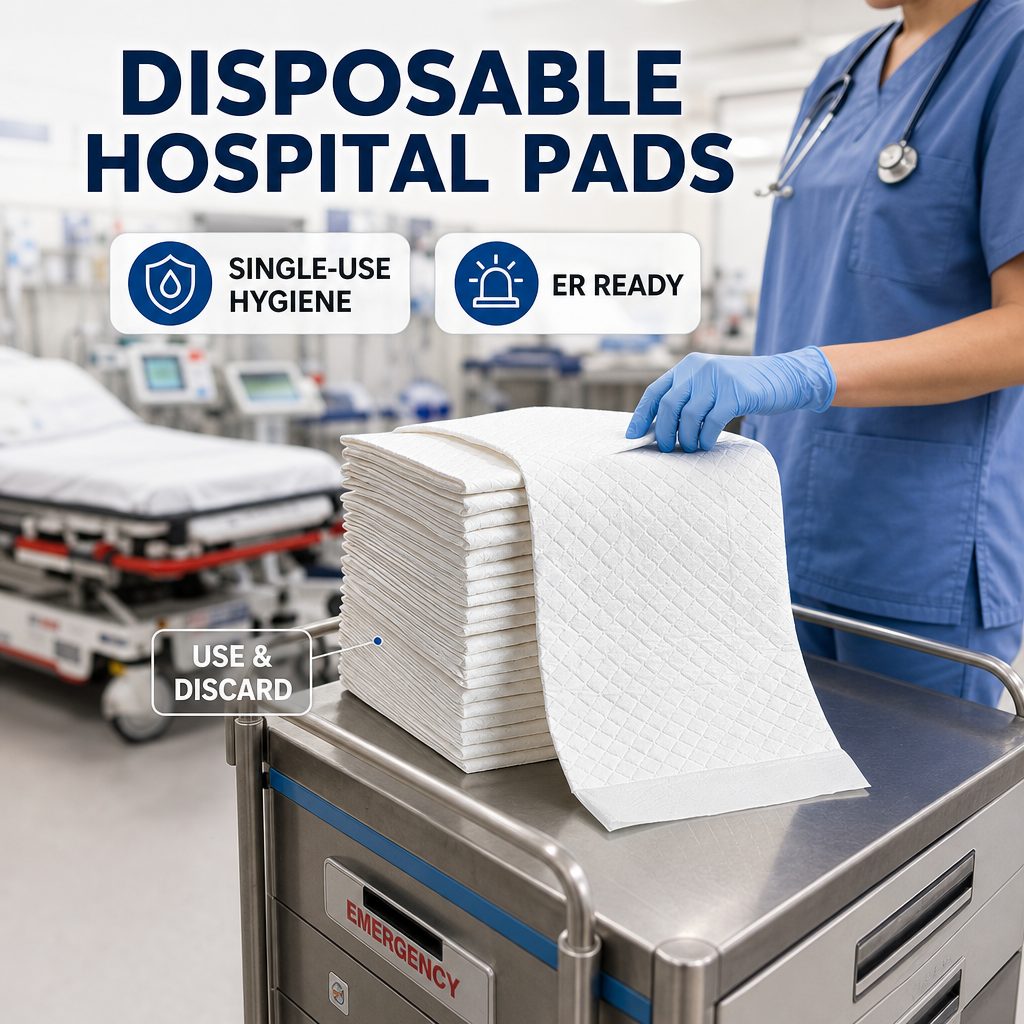
Quality hospital sanitary pads should adhere to specific specifications that ensure their effectiveness and safety. Key specifications include:
Absorbency: This is typically measured in grams and indicates how much liquid the pad can hold. Higher absorbency is crucial for managing heavier flows, especially in post-operative care. Size and Dimensions: Pads come in various sizes to accommodate different patient needs. Ensure the dimensions fit the intended application, as pads that are too small may lead to leakage, while oversized pads can be uncomfortable. Material Composition: Look for pads made from hypoallergenic materials to minimize the risk of skin irritation. Non-woven fabrics are preferred for their softness and breathability, while absorbent cores should efficiently lock away moisture. Barrier Features: Quality pads often include a waterproof backsheet to prevent leakage and maintain hygiene. This is particularly important in hospital settings where infection control is paramount. Certifications: Ensure the products comply with relevant medical and safety standards, which may vary by region. Certifications can indicate adherence to quality control processes.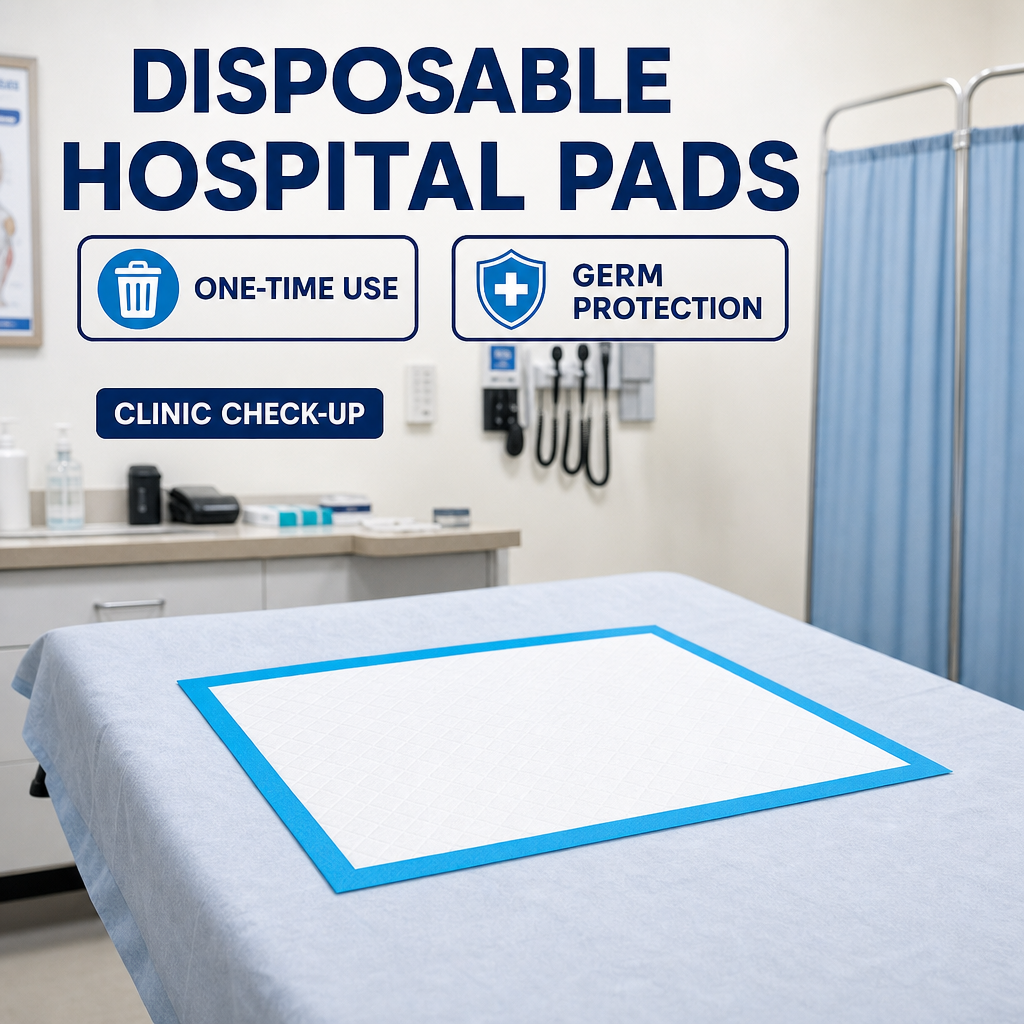
Finding a reliable supplier for hospital sanitary pads involves several steps. Start by researching manufacturers that specialize in hygiene products, particularly those with a focus on medical applications. Look for companies that have established reputations in the industry and have experience supplying to healthcare facilities.
Trade shows and industry exhibitions can also be excellent venues to connect with potential suppliers. These events allow you to meet manufacturers face-to-face, evaluate product samples, and discuss your specific needs directly.
Furthermore, utilize online platforms and directories that list manufacturers and suppliers of medical products. Check for customer reviews and testimonials to gauge the reliability and quality of the suppliers. Once you identify potential suppliers, request product catalogs and quotations to compare pricing, MOQs, and customization options.
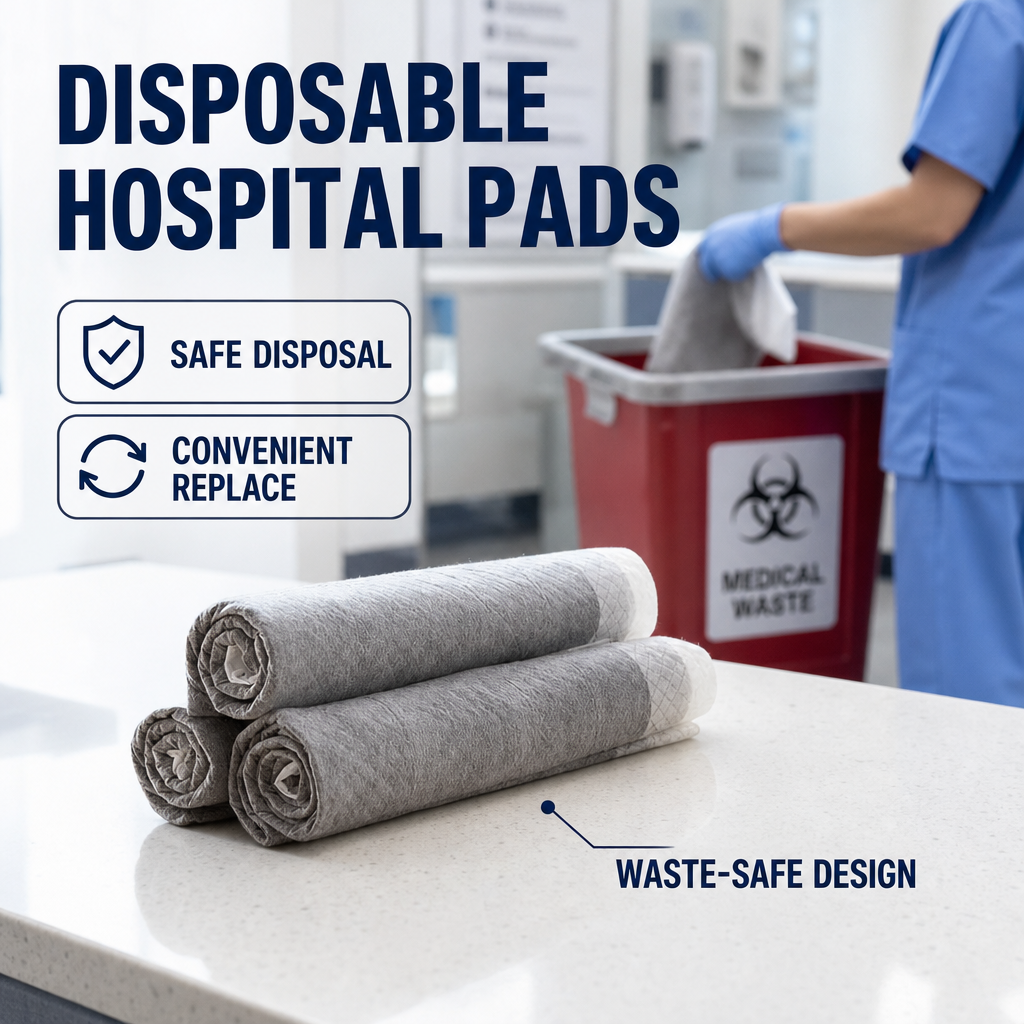
Several key factors can influence your purchasing decision for hospital sanitary pads. First, consider the cost versus quality. While it may be tempting to choose lower-priced options, these can sometimes compromise on absorbency or comfort, leading to dissatisfaction among patients and healthcare providers.
Another crucial factor is logistics. Evaluate potential suppliers based on their ability to meet delivery deadlines and their shipping capabilities. Timely delivery is essential in healthcare settings, where delays can impact patient care.
Customization is also vital. Some suppliers offer OEM and ODM services, allowing you to tailor products to meet specific requirements, such as branding or unique sizing. Discuss these options during initial conversations with potential suppliers. In addition, you might want to consider options like Kimlead underpads disposable incontinence pad bed pad for additional hygiene solutions.
Lastly, assess the quality control processes in place at the manufacturing facility. A supplier should demonstrate rigorous testing and quality assurance measures to ensure that the pads produced meet safety and performance standards.
Kimlead continuously invests in RD and innovation to maintain our market leadership. We have a professional RD team dedicated to developing new materials, techniques, and designs to meet the constantly changing market requirements. We have created our own range of biodegradable product, using eco-friendly production methods and energy-efficient design. Our innovations don't just enhance the product's performance but also promote sustainability and environmental friendliness. We are always looking for Incont pads, striving to deliver the most sophisticated and best quality products to our customers. Kimlead is a company that is committed to innovation and strives for excellence.
Continence pad has a skilled design team that is able to customize product appearance, functionality size, color, and appearance to suit the customer's needs. Our team works closely with customers to ensure the final product is up to their standards. We provide premium adult hygiene products and provide OEM as well as ODM services based upon the client' brand requirements. From requirement analysis through sample production, and then to the production of mass quantities and delivery with our customization process, we ensure every step is of the highest standards. Kimlead provides professional customization services that meet your requirements.
Kimlead Incont pads strict quality control methods to ensure all products meet international standards. The factory is outfitted with a professional lab for testing and the quality control system encompasses more than 30 types of tests. Our products are tested according to international standards like ISO and CE. We also carefully select the raw materials we use to ensure that each batch is in line with the highest quality standards. We do not just focus on product conformity, but will provide safe and reliable hygiene products and ensuring our customers have peace of mind. When you choose Kimlead, you will receive quality products that have been tested to meet the most stringent standards.
Kimlead has Incontinence pads 15 years of experience in production, delivering high-quality hygiene products. Our facility covers more than 46,000 square meters and is fitted with state-of-the-art production equipment like Mitsubishi fully-servo high-speed, automatic production lines, with one line's daily output topping 200,000 pieces. Our production procedures are in compliance with international standards and have been certified by CE, FDA, ISO13485 and ISO9001. We employ the Techmach vision inspection system as well as the tension control, which ensures that each product goes through a thorough examination at over 200 points. Our manufacturing capacity not only guarantees efficient production but also helps meet large-scale order demands, guaranteeing time-bound delivery. By choosing Kimlead you can benefit from our exceptional manufacturing capability and efficient production processes.
Hospital sanitary pads are widely used in various healthcare applications. They play a vital role in managing post-operative recovery, where patients may experience heavier menstrual flows or require additional hygiene support. In maternity wards, these pads are essential for postpartum care, providing comfort and protection.
Moreover, they are used in long-term care facilities for patients who may have mobility issues, ensuring they remain dry and comfortable. The absorbent nature of these pads helps minimize the risk of skin irritations or infections, which are critical considerations in patient care. For those seeking additional protection, options such as Kimlead underpad for bed size large underpad absorbent incontinence underpad can be beneficial.
In addition to standard hospital usage, some healthcare facilities use these pads in specialized settings, such as during rehabilitation or palliative care, where maintaining hygiene is crucial for patient dignity and comfort.
By understanding the specific applications and selecting the right pads, healthcare providers can significantly enhance patient care and satisfaction. Always consult with medical staff to ensure the selected products meet patient needs effectively.

Kimlead Hygiene mainly produces adult diaper, adult pull up diaper, under pad, pet training pad, and operating international OEM/ODM business.
 EN