Incontinence pads for hospitals are essential products designed to manage urinary incontinence among patients, providing comfort, hygiene, and dignity. This article will address key factors that B2B buyers, such as purchasing managers and healthcare providers, should consider when selecting incontinence pads for hospital use. We will cover specifications, supplier reliability, cost considerations, common challenges, and best practices for effective installation.
When selecting incontinence pads for hospital use, several specifications are crucial to ensure optimal performance and patient comfort. Here are the main factors to evaluate:
Absorbency Level: This is perhaps the most critical specification. Hospital incontinence pads come in various absorbency levels, which determine how well they can manage different volumes of urine. It's essential to match the absorbency to the patient's needs, considering factors like mobility and the frequency of changes.
Material Composition: The materials used in the pads impact both comfort and functionality. Common materials include non-woven fabrics for the outer layer that offer breathability and softness, and superabsorbent polymers (SAP) that enhance liquid retention. Buyers should consider hypoallergenic options for sensitive skin to minimize the risk of irritation.
Size and Fit: Dimensions play a vital role in ensuring that the pads fit securely without leakage. Hospitals should assess the weight and body type of their patient demographic and select pads that provide a proper fit—usually available in multiple sizes.
Odor Control Features: Many incontinence pads are designed with odor-neutralizing properties. This feature is essential in a hospital setting to maintain a pleasant environment for both patients and staff.
Sealing and Leakage Barriers: Check for effective sealing mechanisms that prevent leaks. Some pads come with elastic leg gathers or barriers that provide additional protection against leaks, which is particularly important for bedridden patients. For enhanced protection, consider using Kimlead underpads disposable incontinence pad bed pad as part of your supply.
Understanding these specifications will help buyers select the right incontinence pads that meet their facility's needs and patient comfort.
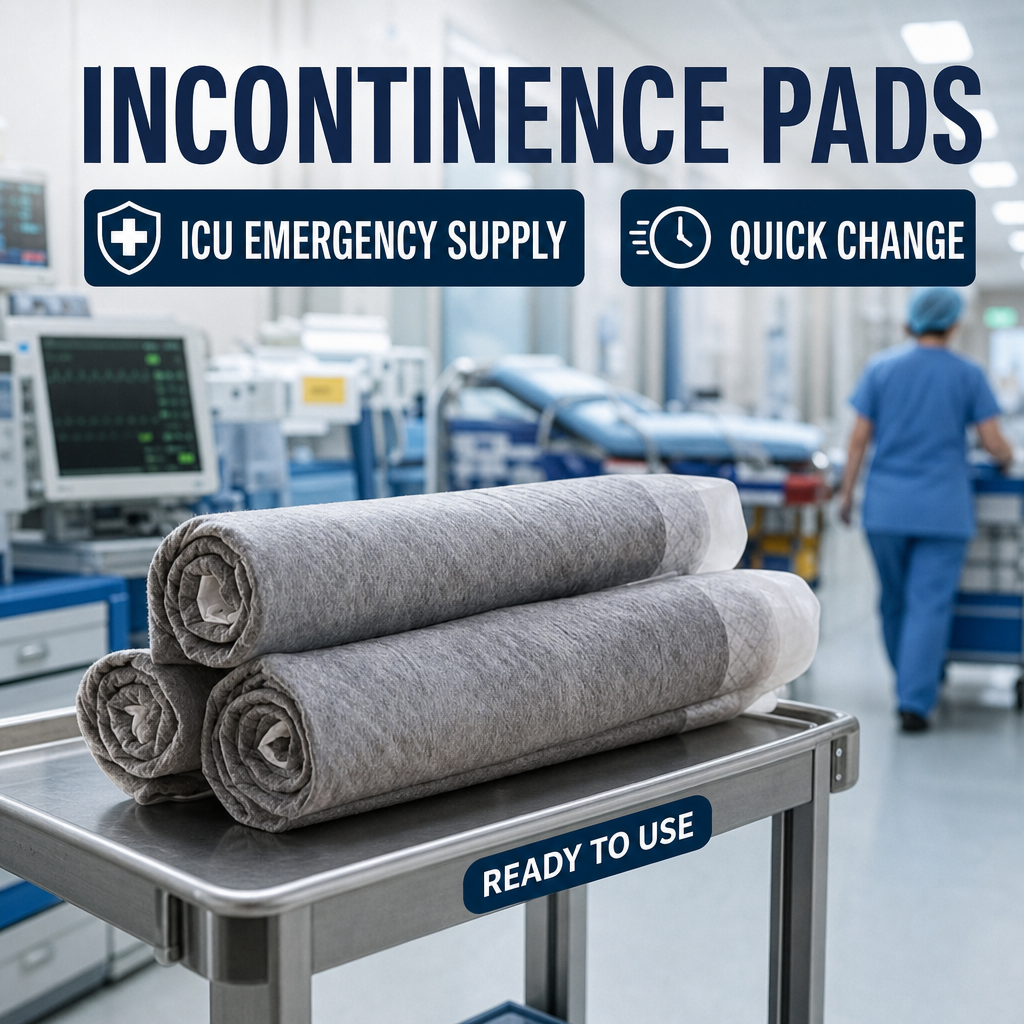
Finding a reliable supplier for hospital incontinence pads is crucial for maintaining consistent quality and availability. Buyers should consider the following when evaluating potential suppliers:
Manufacturing Standards: Look for suppliers like Kimlead Hygiene Products that operate under stringent quality control and adhere to national medical device standards. This ensures that the products meet safety and performance benchmarks.
Customization Capabilities: Suppliers who offer OEM and ODM services can provide tailored solutions that meet specific hospital requirements. Customization may include variations in absorbency, size, or packaging methods.
Reputation and Reviews: Investigate the supplier's market reputation through customer testimonials and industry reviews. A trustworthy supplier should have positive feedback regarding product quality and customer service.
Certifications: Verify any relevant certifications, such as ISO standards, which indicate adherence to quality management systems. This can provide assurance about the consistency and reliability of the products.
Production Capacity: Ensure that the supplier can meet your order quantities within acceptable lead times. Understanding their production capabilities helps prevent potential supply disruptions.
By carefully assessing these factors, healthcare procurement teams can establish partnerships with reliable suppliers that will support their operational efficiency.
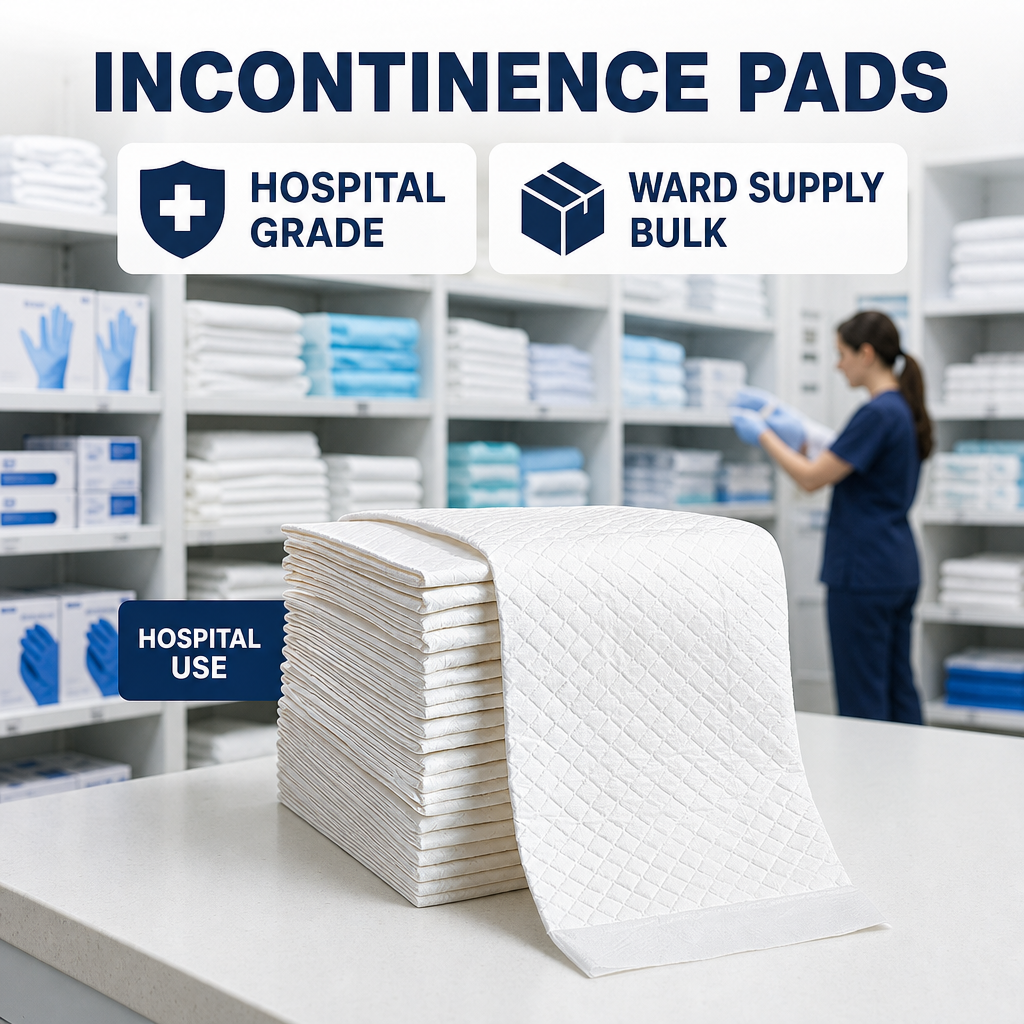
Pricing for hospital incontinence pads can vary based on several factors. Understanding these cost components will aid in making informed purchasing decisions:
Material Quality: Higher-quality materials often come at a premium, but they may offer better performance, such as increased absorbency and skin protection. Analyzing the long-term benefits can justify the upfront costs.
Volume Discounts: Purchasing in bulk can lead to significant savings. Buyers should inquire about minimum order quantities (MOQ) and volume discounts when negotiating with suppliers. For example, consider the cost-effectiveness of Kimlead Adult Diapers for bulk purchases.
Customization Costs: Custom features, such as specific sizes or absorbency levels, may incur additional costs. It's essential for buyers to weigh these against the potential benefits of tailored products.
Shipping and Handling: Consider the logistics associated with ordering incontinence pads, including shipping costs and delivery times. Suppliers with efficient distribution networks can help minimize these expenses.
Lifecycle Costs: Assess the total cost of ownership, including product performance, patient satisfaction, and the potential for fewer replacements or changes required due to superior absorbency. This analysis can lead to better long-term savings.
By evaluating these factors, buyers can make strategic decisions that align with their budget while still meeting patient care standards.
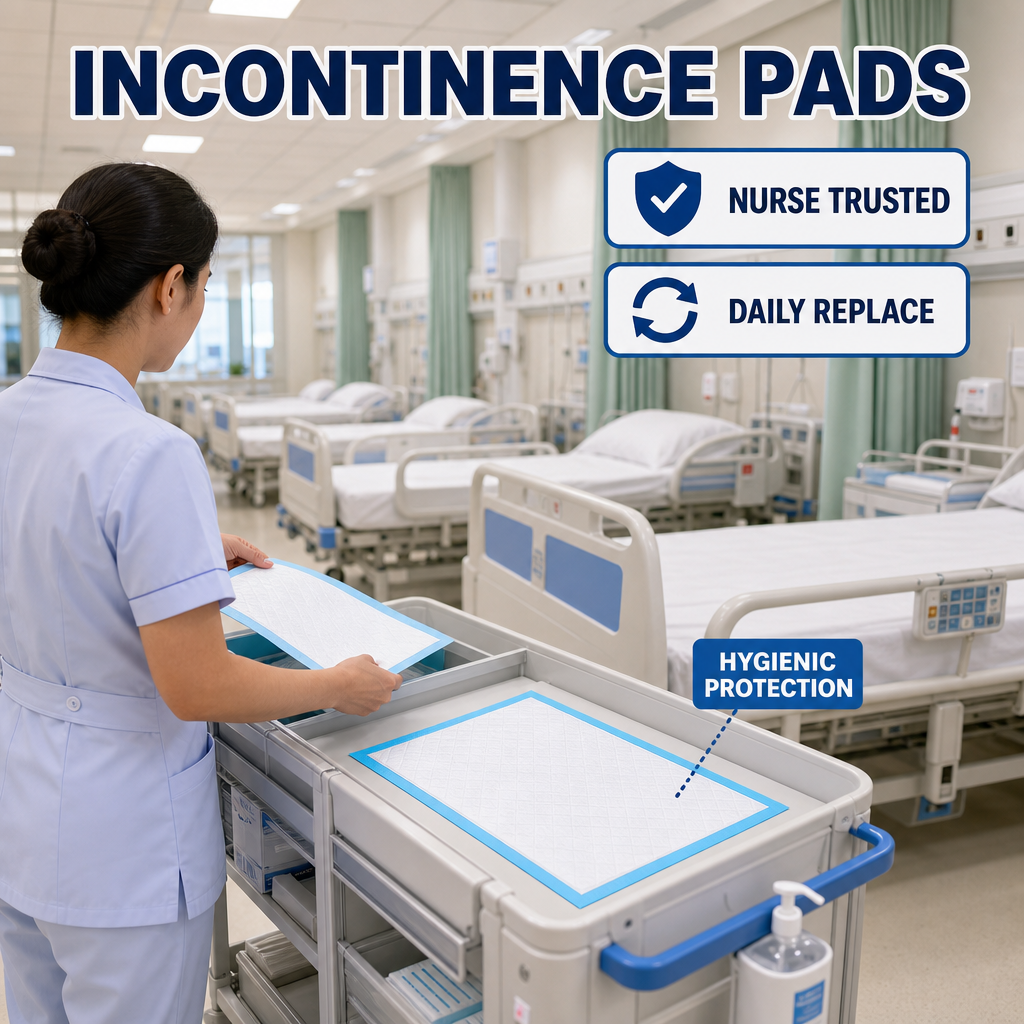
Incontinence pads may present challenges that can affect their performance and user satisfaction. Here are common issues and recommended solutions:
Leakage: A frequent complaint is leakage, which can occur if the pad is not the right size or absorbency level. To address this, hospitals should ensure they are using pads suited to their patients' needs and regularly assess fit and comfort.
Skin Irritation: Prolonged exposure to moisture can lead to skin irritation or rashes. Selecting pads made from breathable materials and those equipped with moisture-wicking properties can help protect the skin. Regular changing schedules are also essential to minimize exposure.
Odor Management: Failure to control odor can lead to discomfort for both patients and caregivers. Pads designed with odor-neutralizing technology can significantly reduce this issue, enhancing the overall hospital environment.
Patient Discomfort: Poorly fitting pads can lead to discomfort and dissatisfaction. Engaging patients in discussions about their preferences and ensuring proper fit can lead to happier, more comfortable patients.
By proactively addressing these common issues, hospitals can improve patient care and enhance the overall experience for both patients and staff.
Kimlead boasts 15 years of experience in production and is able to provide high-end hygiene products The facility is spread over 46 000 square metres and is equipped with cutting-edge production equipment like Mitsubishi fully-servo high-speed automated production lines This includes a single line's daily output exceeding around 200 000 pieces Our production procedures are in compliance with international standards and have been certified by CE FDA ISO13485 and ISO9001 We use the Techmach vision inspection system and tension control system that ensures each product undergoes Underpad examination at over 200 points Our manufacturing capabilities assure not just efficient production as well as the ability to fulfill large-scale orders and ensure timely delivery When you choose Kimlead you gain access to our manufacturing expertise and efficient production processes
Kimlead uses stringent quality Continence pad processes to ensure the quality of each product meets international standards. Our factory is equipped with an expert laboratory for testing and a quality assurance system that includes over 30 different types of tests. Our products are tested according to international standards like ISO and CE. We also carefully select our raw materials to ensure that every batch meets high quality standards. We do not just focus on compliance with the product, but make a commitment to provide safe and reliable hygiene products providing customers with the highest level of peace of mind. Kimlead products are of highest quality and comply with all requirements.
Kimlead's skilled design team can alter the appearance of your product in terms of functionality, size and appearance to meet the needs of customers. The team Adult diapers closely with customers to learn about their needs, and make sure the final product will meet their expectations. We offer high-end adult products as well as OEM as well as ODM services based on the clients' requirements regarding their brand. Our process of customization that includes everything from analysis of requirements, sample production, mass production, and even delivery, ensures that every stage is to the highest standard. By selecting Kimlead you can enjoy professional services for customization that are tailored to your unique requirements.
Kimlead invests in continuous RD to ensure competitiveness in the market. Our RD team is dedicated to developing Underpad, designs, and methods to meet constantly changing requirements of the market. We've developed independently a range of biodegradable products, following eco-friendly production processes with degradable materials and energy efficient designs. Our innovations will not only enhance product performance but also contribute to sustainability and environmental friendliness. We constantly seek breakthroughs and strive to offer the most innovative and high-quality products for our customers. Kimlead is an organization that seeks out innovation and excellence.
To maximize the effectiveness of hospital incontinence pads, proper installation and usage are critical. Here are several best practices:
Proper Application: Ensure that the pad is centered under the patient and securely in place. For bedridden patients, lift the hips gently to position the pad without causing discomfort.
Regular Checks: Establish a routine for checking and changing pads to prevent leaks and skin irritation. This should be based on the patient's needs and the absorbency level of the pad selected.
Training Staff: Provide training for nursing staff on how to properly apply and manage incontinence pads. Understanding the product's features and benefits can lead to better patient outcomes.
Patient Communication: Encourage patients to communicate any discomfort or concerns regarding the pads. This feedback can help healthcare providers make necessary adjustments to enhance patient comfort.
Quality Control: Implement a quality control process to regularly assess the performance of the pads used. Feedback from staff and patients can inform purchasing decisions and supplier evaluations.
By employing these practices, hospitals can ensure that incontinence pads are used effectively, thereby enhancing patient care and operational efficiency.

Kimlead Hygiene mainly produces adult diaper, adult pull up diaper, under pad, pet training pad, and operating international OEM/ODM business.
 EN