Hospital absorbent pads are essential products used in medical settings to manage incontinence and maintain hygiene for patients. As a B2B buyer, you may have specific concerns about the quality, materials, and suitability of these products for various healthcare applications. This article will guide you through the key specifications, selection criteria, supplier sourcing, bulk ordering options, and installation guidance for hospital absorbent pads, helping you make informed purchasing decisions.
When evaluating hospital absorbent pads, several key specifications should be taken into account:
Absorbency Level: This is critical for ensuring that the pad can effectively manage the expected fluid volume. Higher absorbency levels are necessary for patients with heavy incontinence, while lighter pads may suffice for those with milder needs.
Material Composition: The materials used in absorbent pads significantly impact their performance and comfort. Look for pads made from soft, breathable materials that minimize skin irritation while providing adequate moisture-wicking properties. Common materials include non-woven fabrics, superabsorbent polymers, and fluff pulp. For high-quality options, consider products like Kimlead absorbent underpad.
Size and Dimensions: Hospital absorbent pads come in various sizes to accommodate different patients and uses. Ensure that the dimensions fit the intended application—whether for bed use, chair use, or other medical equipment.
Sealing and Edge Design: The design of the pad's edges and seals affects fluid containment. Look for pads with leak-proof barriers and well-designed edges to prevent any spillage.
Certifications: Ensure the pads comply with medical device regulations and relevant standards, such as ISO or CE certifications, which indicate quality assurance in manufacturing.
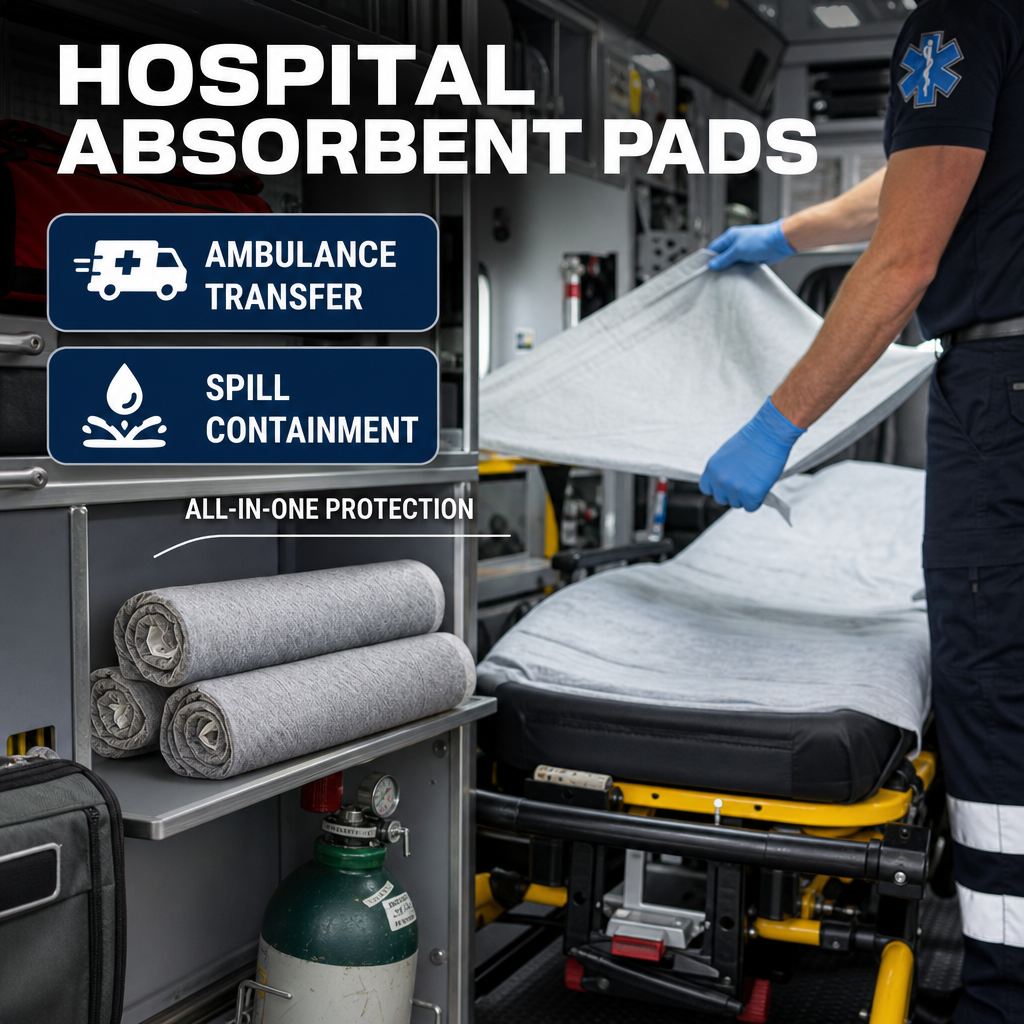
Choosing the right hospital absorbent pads involves understanding your specific requirements. Here are some factors to consider:
Patient Needs: Assess the level of incontinence and the patient's mobility. For highly mobile patients, thinner, more discreet pads may be appropriate, while immobile patients may require thicker, more absorbent options.
Usage Environment: Consider where the pads will be used. Hospital settings may have different requirements than home care situations. For example, pads used in hospitals must withstand more rigorous cleaning protocols.
Comfort and Skin Health: Select pads that prioritize patient comfort. Look for options with soft, hypoallergenic materials that minimize the risk of skin breakdown or irritation. Also, products such as Kimlead underpads can enhance comfort and hygiene.
Supplier Reputation: Partner with suppliers that have a proven track record in producing high-quality absorbent pads. Research customer reviews and request product samples to assess quality before making a bulk order.
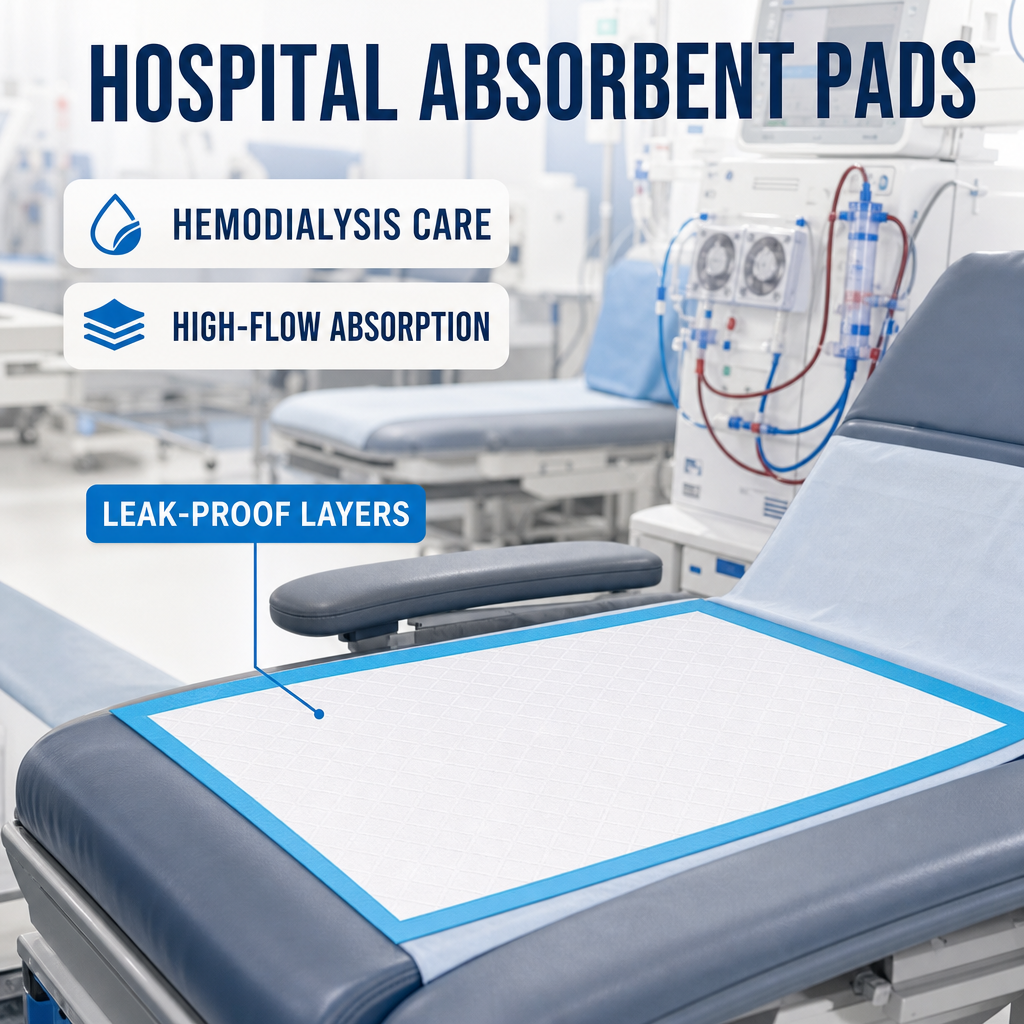
Finding reliable suppliers for hospital absorbent pads requires diligent research. Here are some methods to identify potential partners:
Industry Directories: Utilize B2B platforms and industry-specific directories to find manufacturers and distributors specializing in hygiene products. Consider companies with extensive experience in the medical device sector.
Trade Shows and Expos: Attend healthcare trade shows and exhibitions where manufacturers showcase their products. This allows you to meet suppliers face-to-face and assess their offerings directly.
Online Research: Investigate the online presence of potential suppliers. Review their websites for product information, certifications, and customer testimonials. Look for companies that offer OEM and ODM services, as this indicates flexibility in product customization.
Networking: Engage with industry peers and professionals on platforms like LinkedIn. Networking can provide valuable insights into reputable suppliers and firsthand experiences with their products.
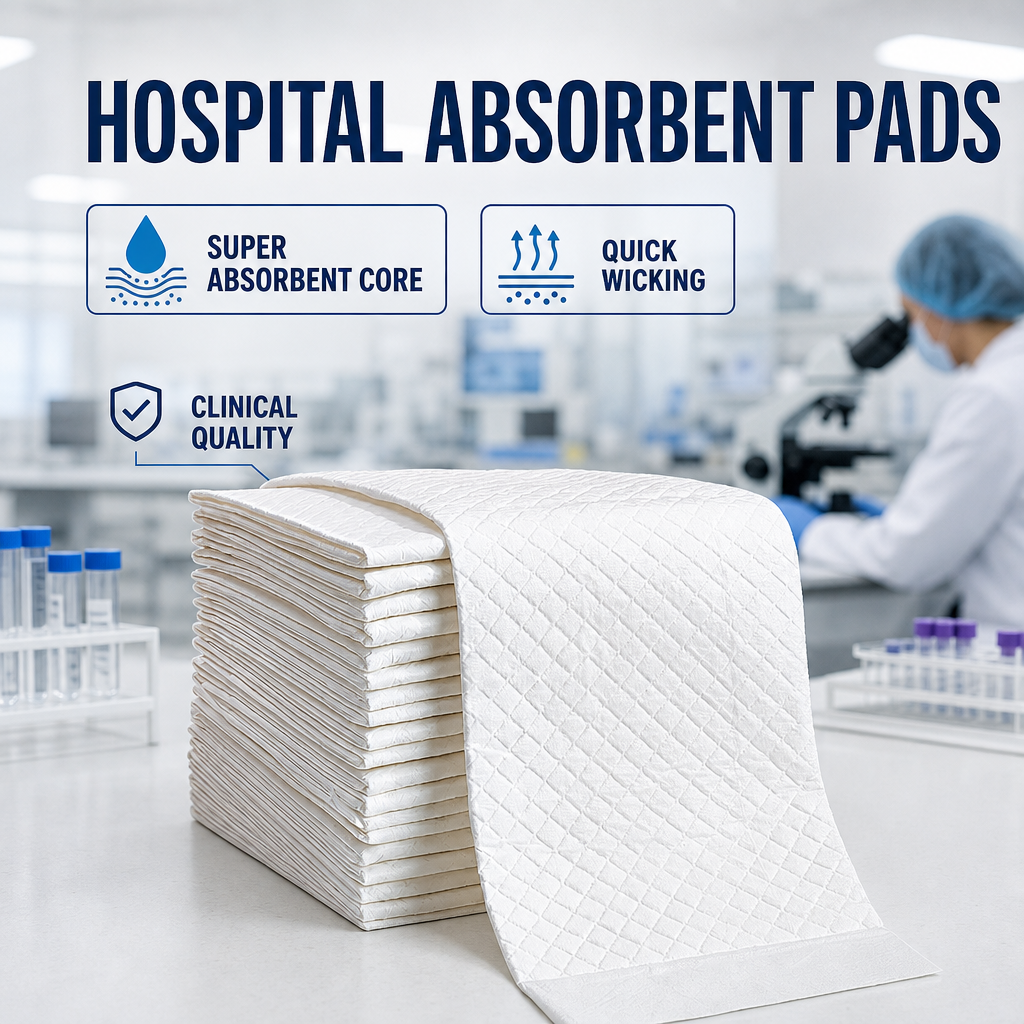
When ordering hospital absorbent pads in bulk, consider the following options to maximize cost-effectiveness:
Minimum Order Quantities (MOQ): Suppliers often have MOQs that can affect pricing. Ensure you understand these requirements, as larger orders typically lead to cost savings per unit.
Negotiating Pricing: Don’t hesitate to negotiate pricing terms with suppliers, especially if you plan on establishing a long-term partnership. Discuss potential discounts for larger orders or recurring purchases.
Shipping and Delivery: Factor in shipping costs and timelines when calculating overall expenses. Some suppliers may offer free shipping for bulk orders, which can further reduce costs.
Lead Time: Be aware of the lead time for production and delivery. Ensure that the supplier can meet your timeline, especially if you require the products urgently for hospital use.
Kimlead's skilled design team can alter the appearance of your product in terms of functionality, size and appearance to meet the needs of customers. The team Adult diapers closely with customers to learn about their needs, and make sure the final product will meet their expectations. We offer high-end adult products as well as OEM as well as ODM services based on the clients' requirements regarding their brand. Our process of customization that includes everything from analysis of requirements, sample production, mass production, and even delivery, ensures that every stage is to the highest standard. By selecting Kimlead you can enjoy professional services for customization that are tailored to your unique requirements.
Kimlead uses stringent quality Continence pad processes to ensure the quality of each product meets international standards. Our factory is equipped with an expert laboratory for testing and a quality assurance system that includes over 30 different types of tests. Our products are tested according to international standards like ISO and CE. We also carefully select our raw materials to ensure that every batch meets high quality standards. We do not just focus on compliance with the product, but make a commitment to provide safe and reliable hygiene products providing customers with the highest level of peace of mind. Kimlead products are of highest quality and comply with all requirements.
Kimlead always Continence pad in RD and in innovation to ensure the competitiveness of its market. We have a skilled RD team that is dedicated to creating new materials, technologies, and designs to meet the ever-changing market demands. We have developed our own line of biodegradable items, employing environmentally friendly production techniques and a sustainable design. Our innovations enhance the product's performance but also contribute to sustainability and environmental stewardship. Our continuous pursuit of new technologies is aimed at providing the highest quality products and services to our customers. Kimlead is an organization that values innovation and strives for excellence.
Kimlead has over 15 years of Puppy pads in manufacturing high-end hygiene products Our factory spans over 46 000 square metres and is outfitted with the latest production equipment like Mitsubishi fully-servo high-speed automatic production lines This includes one production line's daily output of 200 000 pieces Our production processes comply with international standards and are accredited by CE FDA ISO13485 and ISO9001 We utilize the Techmach vision inspection system and tension control system to ensure that every product is subjected to a rigorous inspection at more than 200 locations Our manufacturing capabilities not only ensures efficient production however also meets large-scale orders needs which ensures timely delivery Kimlead's impressive manufacturing capabilities as well as efficient production processes are yours if you choose us
Proper installation and application of hospital absorbent pads are essential for maximizing their effectiveness. Here are some guidelines:
Placement: Ensure that the absorbent pad is correctly positioned under the patient to optimize coverage. For bed use, it should extend beyond the expected area of fluid contact to prevent leaks.
Monitoring: Regularly check the pads for saturation. This practice ensures timely changing and maintains hygiene, preventing skin irritation and infection.
Training Staff: Provide training for healthcare staff on the correct usage of absorbent pads. This includes understanding the indicators for replacement and the importance of maintaining the patient’s comfort and health.
Feedback and Adjustment: Gather feedback from staff and patients regarding the effectiveness and comfort of the pads. Use this information to adjust product selections and improve patient care.
By understanding these aspects of hospital absorbent pads, you'll be better equipped to choose the right products for your medical facility and ensure optimal patient care.

Kimlead Hygiene mainly produces adult diaper, adult pull up diaper, under pad, pet training pad, and operating international OEM/ODM business.
 EN