Medical supplies bed pads for incontinence are essential products used primarily in healthcare settings to provide comfort and protection for patients experiencing incontinence. These pads help manage moisture and prevent skin irritation while maintaining hygiene in medical facilities or at home. As a purchasing manager or distributor, your main concerns may include product quality, cost-effectiveness, and the suitability of materials used. This article aims to provide practical insights into selecting high-quality bed pads, understanding cost factors, evaluating quality, and ensuring proper installation.
When selecting medical supplies bed pads for incontinence, certain specifications are crucial for ensuring effectiveness and comfort. The following key specifications should be considered:
Material Composition: Bed pads are typically made of absorbent materials such as non-woven fabric, polyethylene, or superabsorbent polymers. The choice of material affects absorbency, comfort, and skin protection. Understanding the composition helps buyers assess the pad's suitability for specific applications.
Absorbency Level: This specification indicates how much liquid the pad can hold before it reaches saturation. Choosing the right absorbency level is essential to prevent leakage and ensure patient comfort. Evaluate the expected usage frequency and the level of incontinence to determine the absorbency required.
Dimensions: The size of the bed pad must match the intended use, whether for beds, chairs, or wheelchairs. Common dimensions range from small (20”x30”) to large (36”x72”). Proper sizing ensures full coverage and minimizes the risk of leaks.
Thickness and Weight: The thickness influences the pad's absorbency and comfort, while the weight can affect the ease of handling. Thicker pads often provide higher absorbency but may feel bulkier. A balance between thickness and comfort is crucial.
Barrier Properties: An effective bed pad should have a waterproof backing to prevent moisture from seeping through to the bedding or surface below. This is vital for maintaining hygiene and prolonging the life of the underlying materials.
Certifications: Look for pads that meet relevant medical standards. Certifications ensure that the product has undergone necessary testing for safety and efficacy.
Understanding these specifications will empower buyers to make informed choices that align with their needs and compliance requirements. For example, products like Kimlead underpads disposable incontinence pad bed pad can be a great option to consider.
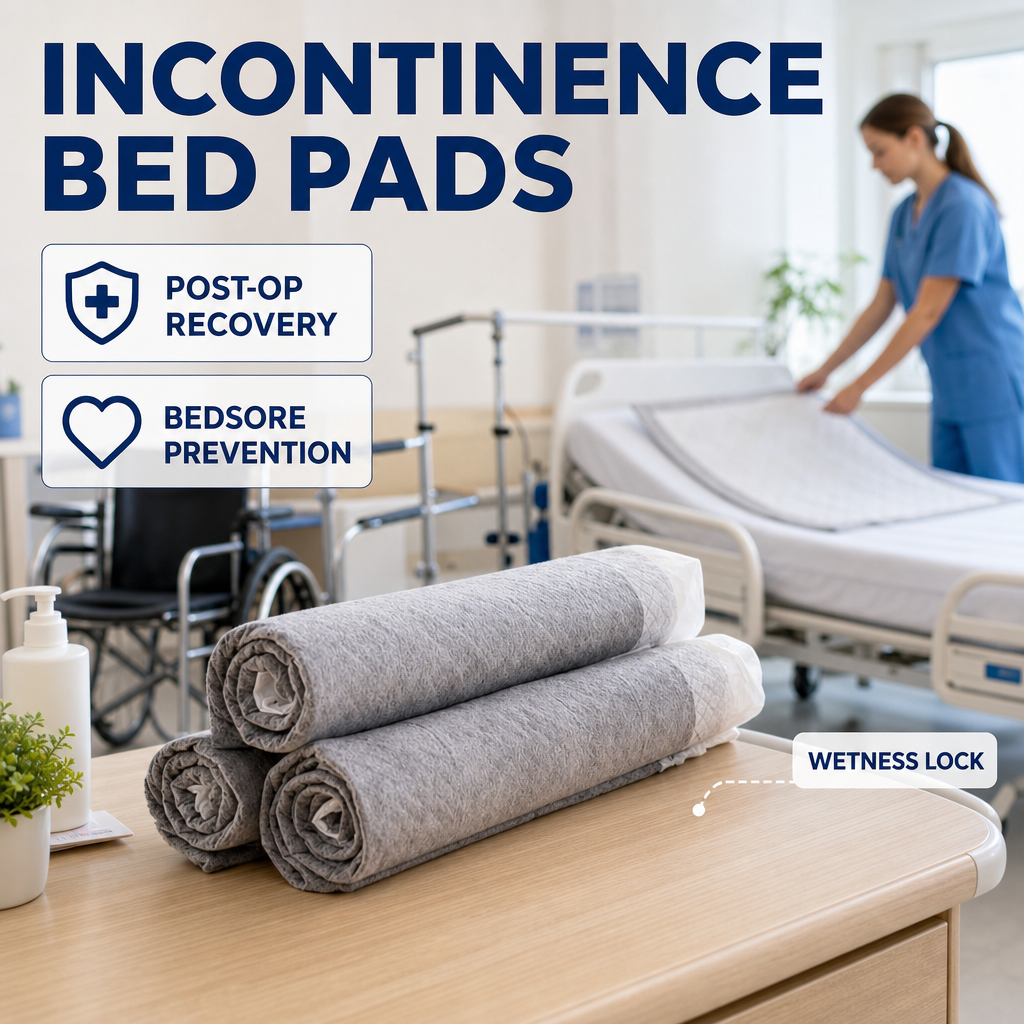
Purchasing medical supplies bed pads for incontinence in bulk can be a cost-effective strategy, but several factors influence total costs:
Material Quality: Higher-quality materials usually result in better performance and durability, which may lead to higher upfront costs. However, investing in quality can reduce long-term expenses associated with replacements and healthcare costs due to skin irritation.
Volume Discounts: Many manufacturers, including those specializing in OEM and ODM services, offer discounts for bulk orders. Negotiating prices based on quantity can lead to significant savings.
Shipping and Handling Costs: Consider the logistics involved in bulk purchasing, including shipping fees and delivery timelines. Shipping costs can vary based on distance and weight, so factor these into the total cost.
Customization Needs: If customization is required (e.g., branding, specific dimensions), this can affect pricing. Discussing customization options with suppliers upfront can help in budgeting.
Lead Time: Longer lead times may increase costs due to higher inventory holding costs or urgent replacements. Ensure that suppliers can meet your delivery requirements without impacting your operations.
Supplier Reliability: Partnering with a reputable manufacturer may involve a higher initial cost, but reliability in quality and delivery can result in lower overall costs through reduced wastage and better patient outcomes.
By evaluating these cost factors, purchasers can optimize their budgets while ensuring they receive high-quality bed pads that meet their specific needs. Products like Kimlead underpad for bed size large underpad absorbent incontinence underpad are also worth considering for bulk purchases.
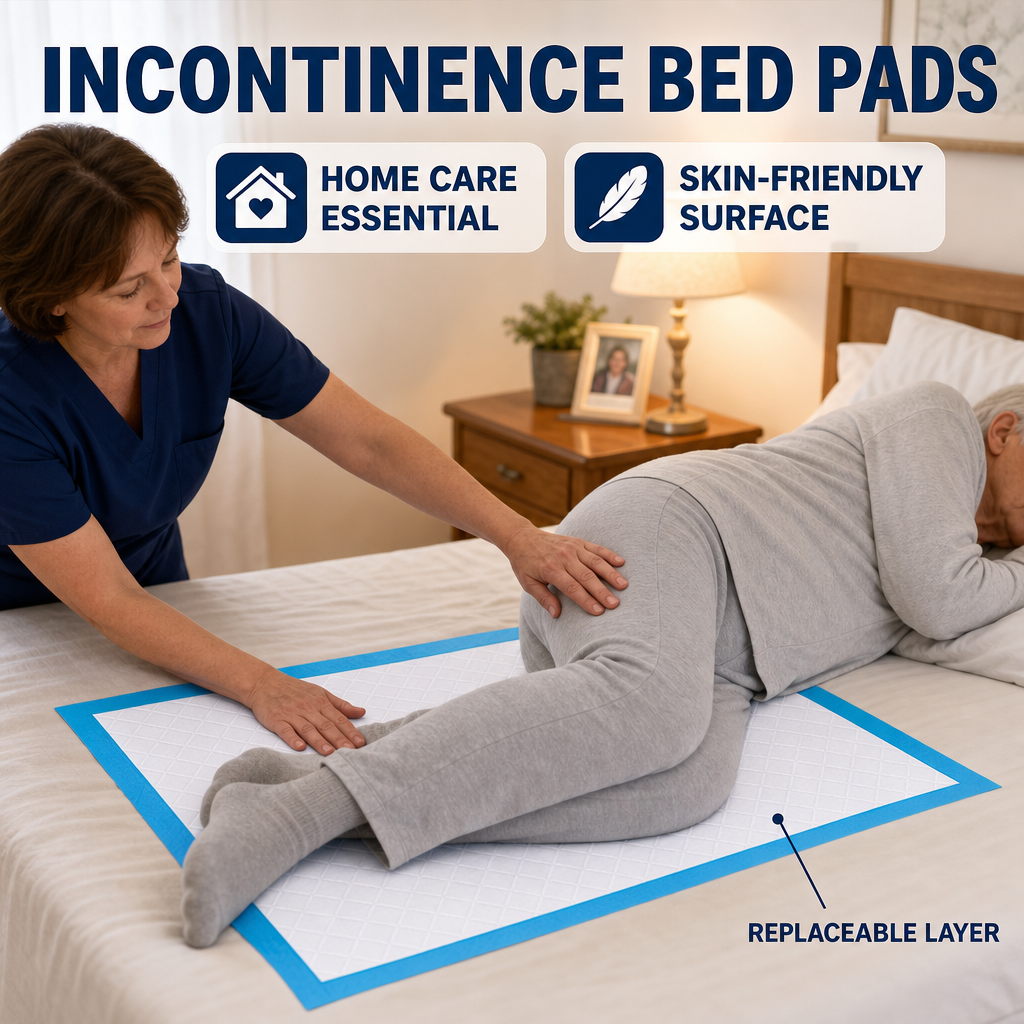
Quality assessment is crucial when selecting medical supplies bed pads for incontinence. Here are key criteria to evaluate:
Absorbency Testing: Request data on absorbency performance to ensure the pad meets your requirements. Look for independent testing results that confirm the pad's ability to manage different levels of incontinence.
Skin Sensitivity: Since these pads are in direct contact with the skin, they should be hypoallergenic and free from harmful chemicals. Product samples should be tested for skin irritation or allergic reactions.
Durability: Assess the pad's durability under typical usage conditions. This includes checking for resistance to tearing or leakage. Durable pads can withstand regular use without compromising performance.
User Feedback: Review testimonials or case studies from other facilities that have used the product. User feedback provides insights into real-world performance and reliability.
Compliance with Standards: Ensure that the products meet national and international medical device standards. This compliance is essential for safety and efficacy.
Sample Approval: Before committing to a large order, always request samples to evaluate the product's properties in your specific environment. Testing samples under actual use conditions can reveal potential issues before mass production.
By thoroughly evaluating these quality indicators, buyers can select bed pads that not only meet but exceed their expectations.
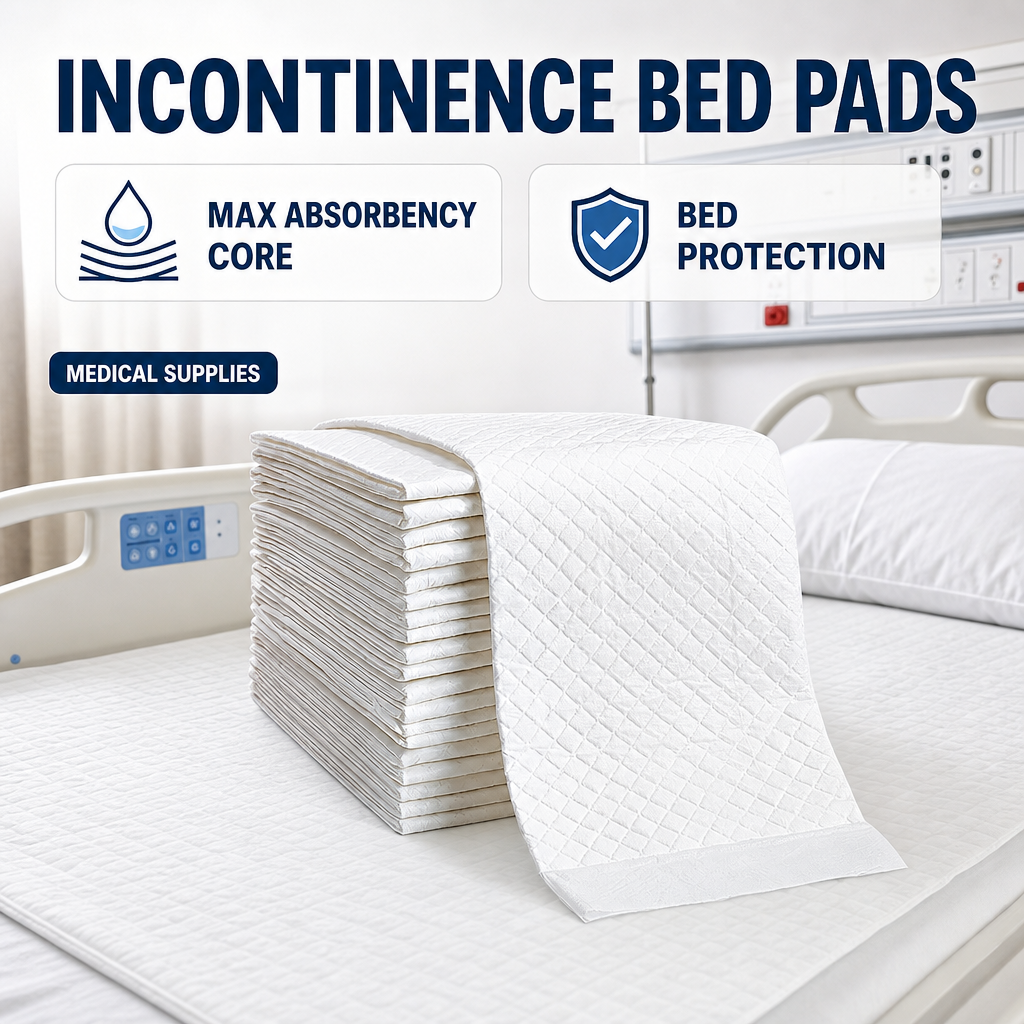
Proper installation of medical supplies bed pads for incontinence is critical to maximizing their effectiveness and ensuring patient comfort. Here are some guidelines:
Surface Preparation: Ensure that the surface where the pad will be placed is clean and dry. Any moisture can reduce the pad’s effectiveness and increase the risk of skin irritation.
Correct Placement: Position the pad to cover the area most likely to experience leaks. For beds, this generally means placing it under the hips and extending towards the foot of the bed.
Adjusting Fit: If the pad is oversized, trim it to fit appropriately, ensuring that it does not compromise the waterproof backing. For smaller pads, consider overlapping them for additional coverage if necessary.
Regular Checks: Schedule regular checks on the pads for wear and absorption performance. Replace them promptly to maintain hygiene and comfort.
Training Staff: Ensure that all staff members involved in patient care are trained on the correct usage and changing procedures for bed pads. This training can significantly improve compliance and patient outcomes.
Monitoring Performance: Continuously monitor the performance of the bed pads and solicit feedback from staff and patients. This information can guide future purchasing decisions and adjustments in care protocols.
Following these installation guidelines will help ensure that bed pads function effectively, leading to better patient care and satisfaction.
Kimlead has a skilled design team Adult in a diaper of customizing the appearance, functionality as well as size and color according to customer needs. Our team collaborates closely with our customers to ensure the final product is up to their standards. We provide high-quality adult merchandise, as well as OEM as well as ODM services based on the clients' requirements regarding their brand. The process of customizing includes everything from analysis of the requirements, sample production, mass production, and even delivery makes sure that each process is at the very highest standards. Kimlead offers customized services to meet your specific needs.
Kimlead has Incontinence pads 15 years of experience in production, delivering high-quality hygiene products. Our facility covers more than 46,000 square meters and is fitted with state-of-the-art production equipment like Mitsubishi fully-servo high-speed, automatic production lines, with one line's daily output topping 200,000 pieces. Our production procedures are in compliance with international standards and have been certified by CE, FDA, ISO13485 and ISO9001. We employ the Techmach vision inspection system as well as the tension control, which ensures that each product goes through a thorough examination at over 200 points. Our manufacturing capacity not only guarantees efficient production but also helps meet large-scale order demands, guaranteeing time-bound delivery. By choosing Kimlead you can benefit from our exceptional manufacturing capability and efficient production processes.
Kimlead uses stringent quality Diapers adult diapers processes to ensure the quality of each product meets international standards. Our factory is equipped with an expert laboratory for testing and a quality assurance system that includes over 30 different types of tests. Our products are tested according to international standards like ISO and CE. We also carefully select our raw materials to ensure that every batch meets high quality standards. We do not just focus on compliance with the product, but make a commitment to provide safe and reliable hygiene products providing customers with the highest level of peace of mind. Kimlead products are of highest quality and comply with all requirements.
Kimlead invests continuously in RD to ensure market competitiveness. We have a professional RD team committed to Puppy dog pads innovative materials, technologies and designs that meet constantly changing market requirements. We have developed an independent collection of biodegradable goods, that adhere to environmentally-friendly manufacturing practices using degradable materials and energy-efficient designs. Innovations we develop will not only enhance product performance, but also promote sustainability and environmental friendliness. The constant search for breakthroughs is focused on providing the most efficient products and services to our customers. Kimlead is a partner that values innovation and strives for excellence.
The choice of materials used in medical supplies bed pads for incontinence plays a significant role in their overall performance. Understanding these materials can help buyers make informed decisions:
Superabsorbent Polymers: These materials are designed to absorb large volumes of liquid and lock it away, preventing leakage. They help maintain skin dryness and reduce the frequency of pad changes.
Non-Woven Fabrics: These fabrics are soft and comfortable against the skin, minimizing the risk of irritation. They also facilitate breathability, reducing the likelihood of skin breakdown.
Polyethylene Backing: A waterproof backing is essential for preventing moisture from leaking onto bedding or furniture. This material provides an effective barrier while remaining flexible for comfort.
Antimicrobial Treatments: Some bed pads come with antimicrobial properties that help reduce odor and bacterial growth, which is particularly beneficial in healthcare environments.
Eco-Friendly Options: Increasingly, manufacturers are offering biodegradable or recyclable materials. These options can appeal to environmentally conscious buyers looking to reduce their sustainability footprint.
Customization Capabilities: Many suppliers, including Kimlead Hygiene Products, can modify material choices based on specific customer needs, such as increased absorbency or hypoallergenic treatments.
Understanding the advantages of these materials allows buyers to select options that not only meet functional requirements but also enhance user comfort and safety.

Kimlead Hygiene mainly produces adult diaper, adult pull up diaper, under pad, pet training pad, and operating international OEM/ODM business.
 EN