Disposable pads for hospital beds are essential medical supplies designed to maintain hygiene and comfort for patients. Sourcing quality disposable pads is a primary concern for healthcare facilities looking to ensure patient safety, minimize infection risks, and manage costs effectively. This article will provide a comprehensive overview of what to consider when sourcing disposable pads for hospital beds, including specifications, cost factors, installation guidelines, and brand comparisons, ultimately helping B2B buyers make informed purchasing decisions.
When looking for wholesale disposable pads for hospital use, it is crucial to identify suppliers who specialize in medical-grade products. Start by researching manufacturers with a proven track record in the healthcare sector, such as Kimlead Hygiene Products. Consider suppliers that offer both OEM (Original Equipment Manufacturer) and ODM (Original Design Manufacturer) services, as this can provide flexibility in product design tailored to specific healthcare needs.
Trade shows and industry conferences are also excellent places to meet suppliers and evaluate their offerings. Online platforms such as Alibaba, ThomasNet, and MedicalExpo can help you find reputable manufacturers. Always verify certifications and compliance with national medical device standards to ensure product safety and quality.
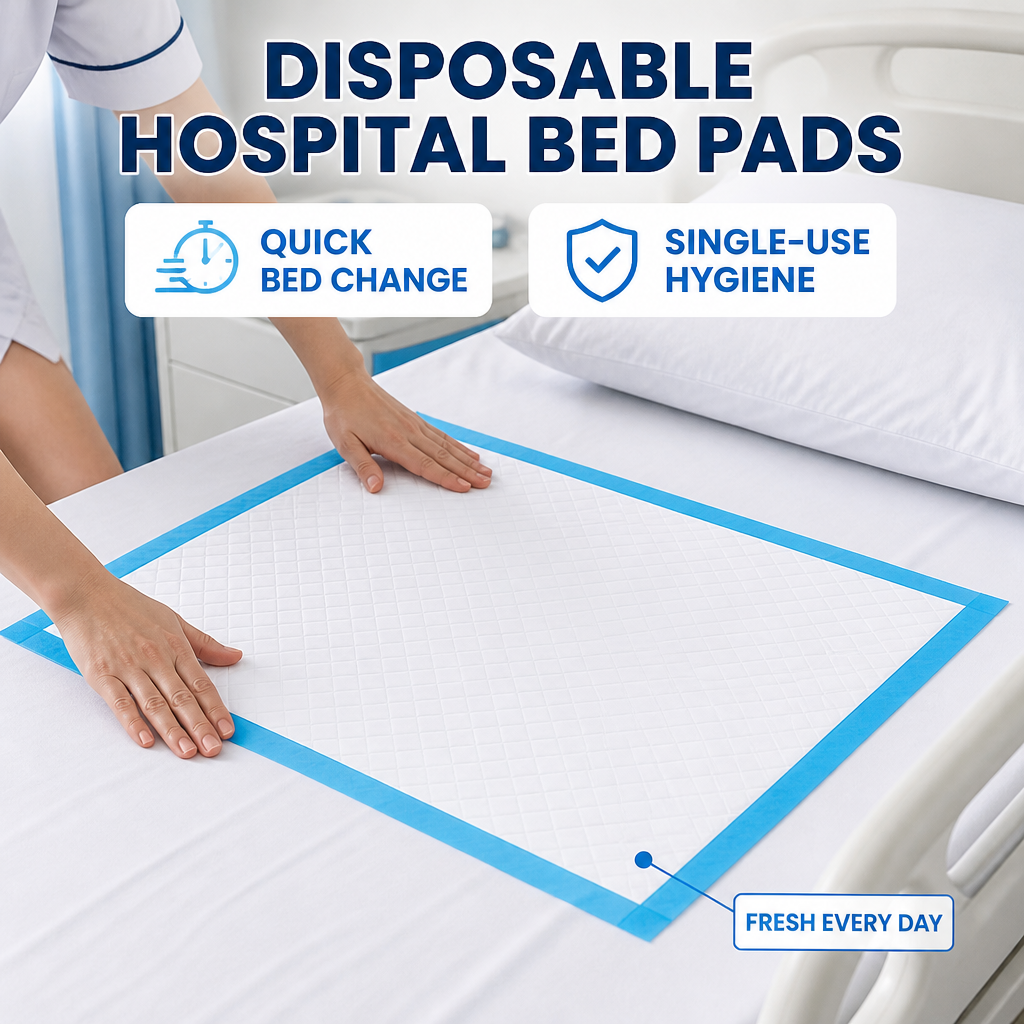
When selecting disposable pads for hospital beds, several key specifications should be considered:
Material Composition: Look for pads made from absorbent materials that provide a barrier against moisture. Common materials include non-woven fabrics, polyethylene films, or a combination of both for optimal performance. The material should also be hypoallergenic to prevent skin irritation.
Absorbency Rating: This specification indicates how much liquid the pad can hold. Choose pads with a high absorbency rating to minimize the risk of leaks, which is critical in a hospital environment.
Size and Dimensions: Ensure the pads fit the specific bed sizes used in your facility. Standard sizes typically range from 23x36 inches to 36x60 inches, but customization options are often available.
Weight and Thickness: A thicker pad may offer better absorbency and comfort, but it can also affect the ease of disposal and handling. Evaluate the weight for logistics and storage considerations.
Barrier Properties: Look for pads with waterproof backing to prevent fluid from seeping through to bedding or surfaces below.
Selecting the right specifications will directly impact patient care and operational efficiency in any healthcare setting.
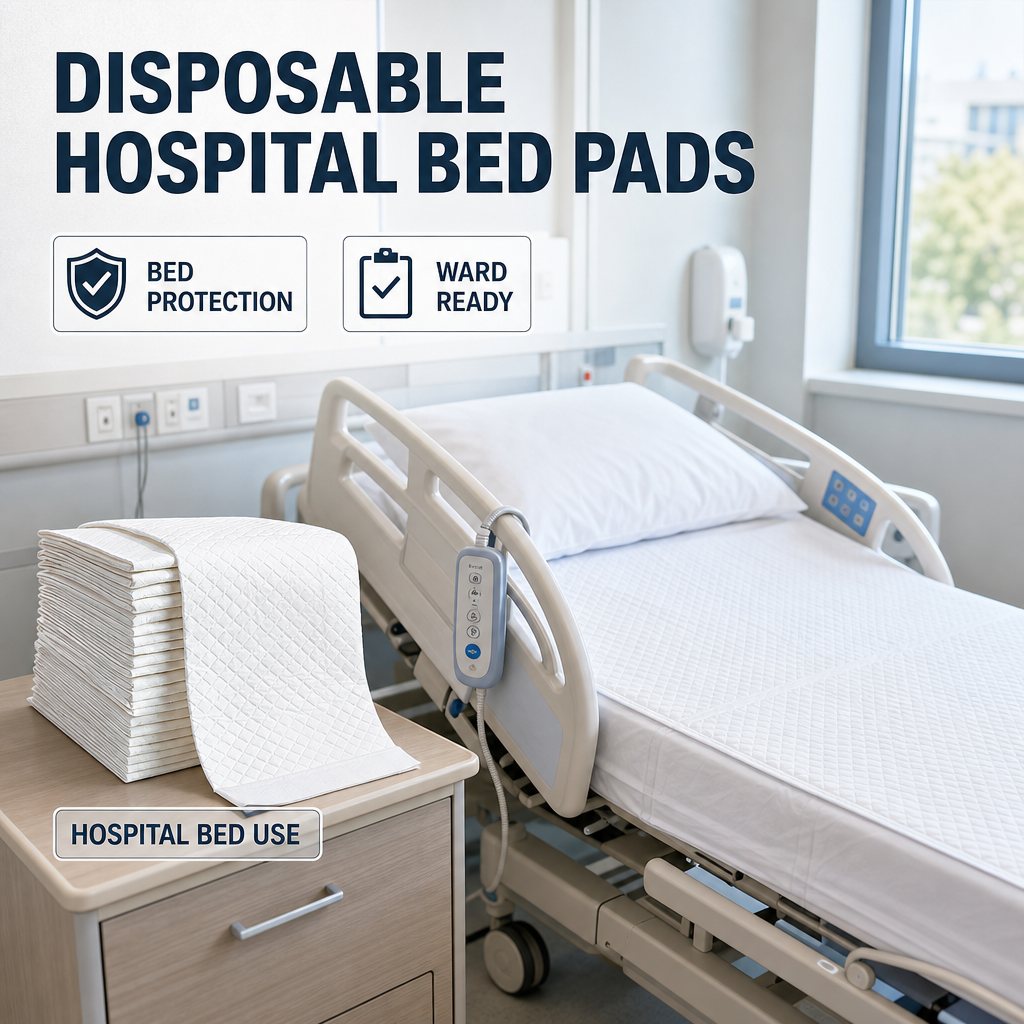
Cost considerations for purchasing disposable pads in bulk extend beyond the unit price. Here are several factors to keep in mind:
Minimum Order Quantity (MOQ): Suppliers often set a MOQ, which can affect your total cost. Assess your hospital's usage rates to determine how much to order to avoid excess inventory while ensuring you have enough supply.
Shipping and Handling Costs: Calculate the total cost of shipping, as this can significantly affect your budget. Consider suppliers located closer to your facility to minimize shipping expenses.
Quality vs. Price: While it may be tempting to choose the lowest price option, remember that lower-quality pads can lead to higher costs in terms of patient care complications, replacements, and potential liabilities. Evaluate the total cost of ownership, including potential savings from bulk purchases and the longevity of the products.
Customization Fees: If you require custom sizes or features, be aware that these options may incur additional charges. Ensure you get a clear quote that includes all potential costs.
By carefully assessing these cost factors, you can make a purchase that aligns with your budget while ensuring high-quality patient care. For instance, consider investing in high-quality underpads which can enhance the overall patient experience.
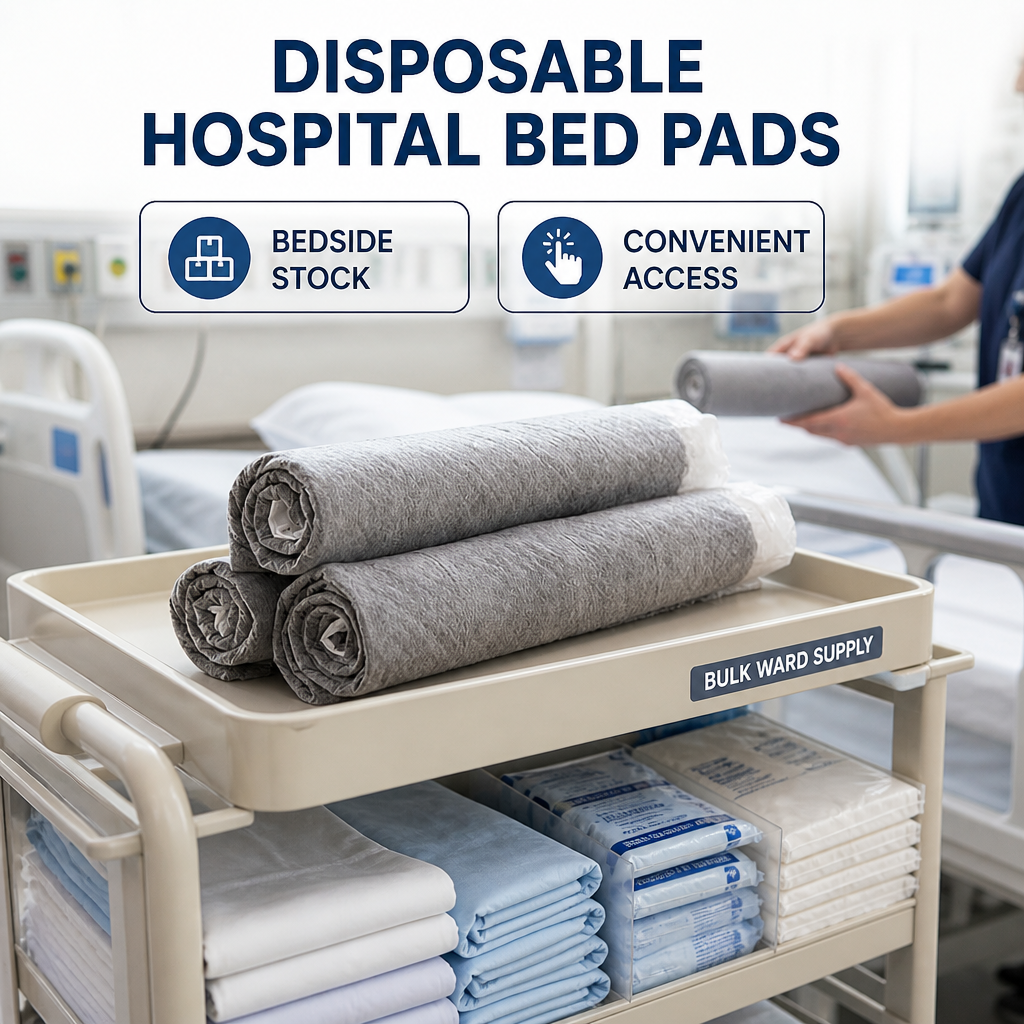
Installing disposable pads in hospital environments requires careful consideration to ensure effectiveness and safety. Here are some guidelines:
Preparation: Before placing a pad on a hospital bed, ensure the mattress is clean and dry. This helps maintain hygiene and optimizes the pad’s effectiveness.
Correct Placement: Position the pad under the patient’s body, ensuring it covers areas prone to fluid exposure, such as the back and hip areas. The pad should extend beyond the edges of the mattress to catch any potential spills.
Regular Checks: Monitor the pads regularly for signs of saturation or damage. Change the pad as soon as it reaches its saturation point to maintain hygiene and comfort.
Disposal Procedures: Follow your facility's protocols for disposing of used pads. Ensure that waste disposal complies with local regulations regarding medical waste to avoid contamination risks.
Adhering to these guidelines can help enhance patient comfort and safety in healthcare facilities.
Kimlead uses stringent quality control processes to ensure that each product meets Adult diapers Our manufacturing facility is equipped with an expert laboratory for testing as well as a quality control system that includes more than 30 different types of tests Our products are inspected according to international standards such as ISO and CE The raw materials we use are carefully selected to ensure that each batch meets the most stringent quality standards We do not just focus on product conformity but make a commitment to provide the most reliable and safe products for hygiene and ensuring our customers have satisfaction Kimlead products are of the highest standard and meet the highest standards
Kimlead invests continuously in RD to ensure market competitiveness. We have a professional RD team committed to Puppy dog pads innovative materials, technologies and designs that meet constantly changing market requirements. We have developed an independent collection of biodegradable goods, that adhere to environmentally-friendly manufacturing practices using degradable materials and energy-efficient designs. Innovations we develop will not only enhance product performance, but also promote sustainability and environmental friendliness. The constant search for breakthroughs is focused on providing the most efficient products and services to our customers. Kimlead is a partner that values innovation and strives for excellence.
Continence pad has a skilled design team that is able to customize product appearance, functionality size, color, and appearance to suit the customer's needs. Our team works closely with customers to ensure the final product is up to their standards. We provide premium adult hygiene products and provide OEM as well as ODM services based upon the client' brand requirements. From requirement analysis through sample production, and then to the production of mass quantities and delivery with our customization process, we ensure every step is of the highest standards. Kimlead provides professional customization services that meet your requirements.
Kimlead boasts 15 years of experience in production and is able to provide high-end hygiene products The facility is spread over 46 000 square metres and is equipped with cutting-edge production equipment like Mitsubishi fully-servo high-speed automated production lines This includes a single line's daily output exceeding around 200 000 pieces Our production procedures are in compliance with international standards and have been certified by CE FDA ISO13485 and ISO9001 We use the Techmach vision inspection system and tension control system that ensures each product undergoes Underpad examination at over 200 points Our manufacturing capabilities assure not just efficient production as well as the ability to fulfill large-scale orders and ensure timely delivery When you choose Kimlead you gain access to our manufacturing expertise and efficient production processes
When comparing brands of disposable pads for hospital beds, it is essential to evaluate several factors to determine the best fit for your facility:
Brand Reputation: Research the market reputation of various brands. Look for manufacturers with established quality control processes and positive customer feedback.
Certifications and Compliance: Verify that the brands comply with relevant medical device standards and certifications. This ensures that the products meet safety and efficacy requirements.
Performance Reviews: Request samples to evaluate absorbency, comfort, and overall performance. Conduct trials in real hospital conditions to assess how different brands perform under actual usage scenarios.
Customization Options: Some brands may offer more flexibility when it comes to customization based on specific hospital needs. Assess the ease of working with each brand for tailored solutions.
Cost-Effectiveness: Compare not just the unit price, but also the overall value offered by each brand, including service support, delivery times, and warranty options.
Taking the time to compare these aspects can lead to better purchasing decisions that enhance patient care and operational efficiency. It’s worth considering options like high-absorbency adult diapers as part of your evaluation process.

Kimlead Hygiene mainly produces adult diaper, adult pull up diaper, under pad, pet training pad, and operating international OEM/ODM business.
 EN