Bed pads are essential medical supplies designed to provide comfort and protection for patients who require assistance with incontinence or have mobility issues. When selecting bed pads, buyers often face concerns about material quality, durability, and effectiveness in preventing leaks. This article aims to guide purchasing managers, healthcare providers, and distributors in understanding how to choose the right bed pads, identify reliable suppliers, and optimize usage for their specific needs.
Selecting the appropriate bed pads depends on various factors, including the level of absorbency required, the patient's mobility, and the intended use environment. Buyers should consider the absorbency rating, which indicates how much liquid the pad can hold before needing replacement. Higher absorbency pads are essential for patients with heavy incontinence or for use overnight. Additionally, consider the size of the bed pads. They should adequately cover the mattress and provide sufficient protection for the patient's bedding. For those with mobility issues, larger pads that allow for shifting without compromising coverage may be beneficial.
Material choice is also crucial. Look for pads made from breathable, hypoallergenic materials to reduce the risk of skin irritation. Disposable options are convenient but may be less environmentally friendly, while reusable pads offer cost savings over time but require proper laundering processes. For instance, if you're considering alternatives, Baby Diapers are another essential product that provides comfort and protection for infants.
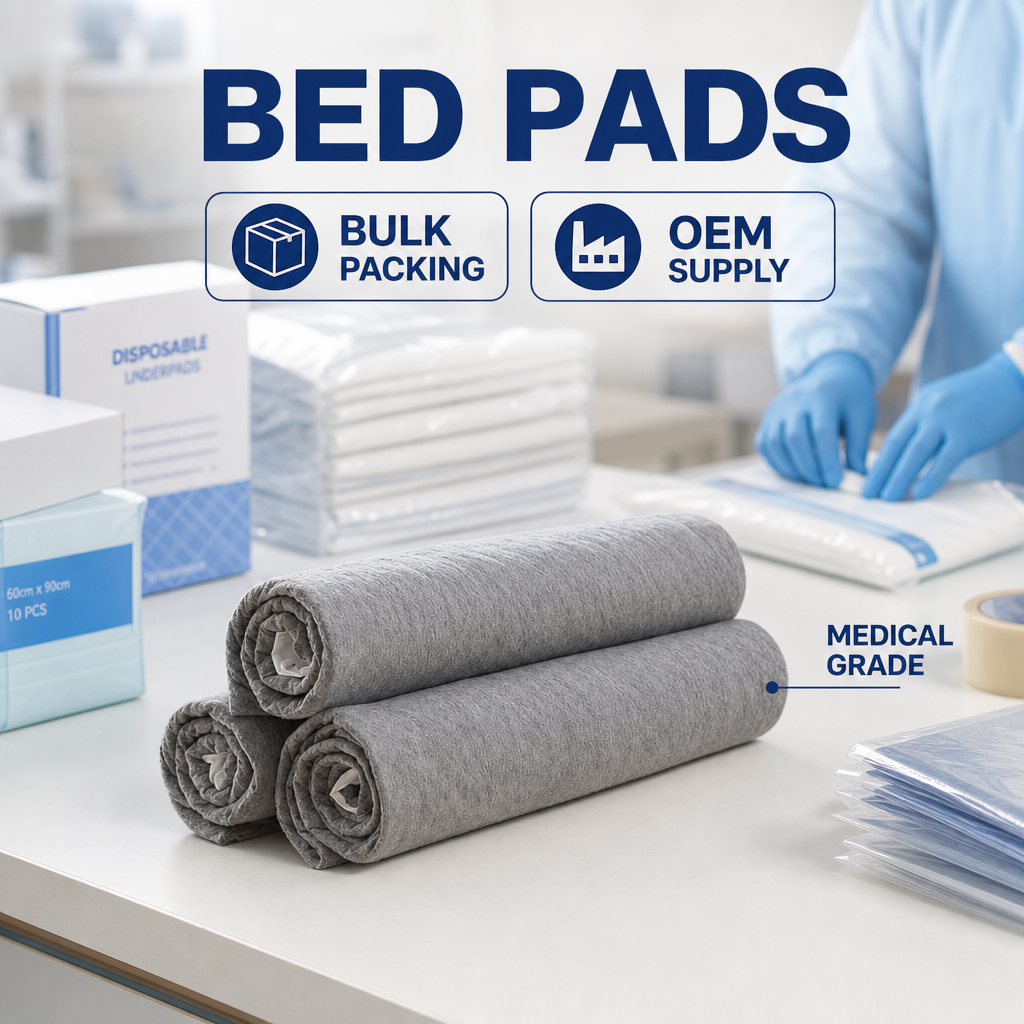
When sourcing bed pads, it's essential to identify suppliers with a proven track record in quality manufacturing and compliance with medical standards. Begin by researching manufacturers who specialize in medical supplies, such as Kimlead Hygiene Products, known for their advanced production facilities and strict quality control processes.
Seek suppliers who offer OEM and ODM services, as they can provide customized solutions tailored to your specific needs. Additionally, consider the supplier's reputation in the industry, customer reviews, and their certifications to ensure they meet national and international medical device standards. For example, you might also explore options like Baby wipes as they are often used in conjunction with bed pads for hygiene purposes.
Trade shows and industry conferences can also be valuable venues for connecting with suppliers, allowing you to evaluate products firsthand and establish relationships with manufacturers.
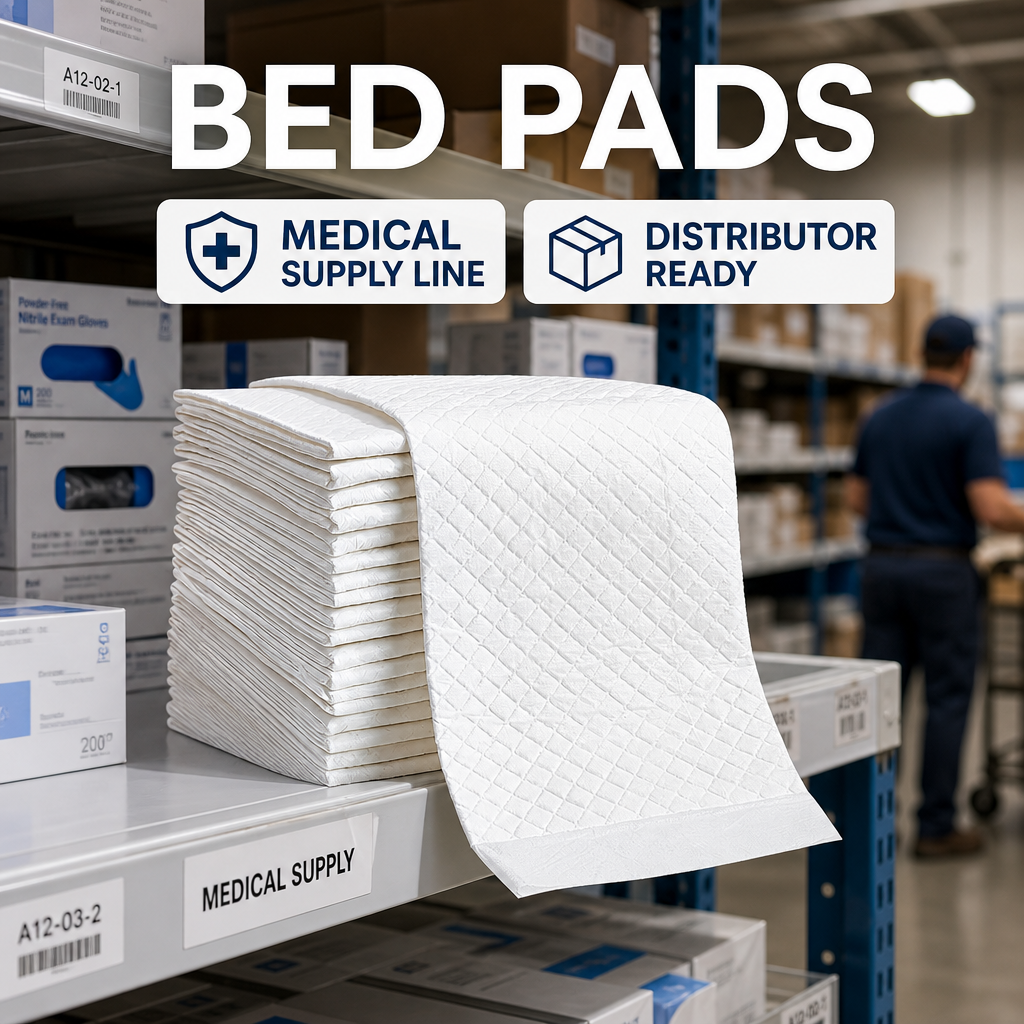
The material used in medical bed pads significantly affects their performance and suitability for various applications. Common materials include cotton, polyester, and specialized absorbent polymers.
Cotton pads offer comfort and breathability, making them ideal for long-term use. However, they may not provide the same level of absorbency as synthetic options. Polyester pads, on the other hand, are often more absorbent and can be treated with moisture-wicking properties to keep the skin dry.
Advanced materials, such as superabsorbent polymers, can quickly lock away moisture, providing superior protection against leaks and reducing the frequency of pad changes. Buyers should evaluate the material structure based on the patient’s needs, considering factors like allergy potential, absorbency, and comfort.
To maximize the effectiveness of bed pads, proper usage and maintenance practices are crucial. Here are some best practices:
Positioning: Ensure that the bed pad is securely placed under the patient, covering the areas most prone to leakage. The pad should extend beyond the patient's body to provide full protection.
Regular Changes: Change the pads regularly to maintain hygiene and comfort. Establish a routine that considers the patient's level of incontinence and skin sensitivity.
Laundering: For reusable pads, follow the manufacturer's laundering instructions carefully. Use appropriate detergents and avoid fabric softeners, which can reduce absorbency.
Skin Care: Monitor the patient's skin condition regularly. Any signs of irritation or discomfort should be addressed promptly, potentially requiring adjustments in pad type or usage frequency.
Storage: Keep extra pads readily accessible to ensure quick changes when necessary. Proper storage away from moisture and direct sunlight can help maintain their integrity.
Kimlead invests continuously in RD to ensure market competitiveness. We have a professional RD team committed to Puppy dog pads innovative materials, technologies and designs that meet constantly changing market requirements. We have developed an independent collection of biodegradable goods, that adhere to environmentally-friendly manufacturing practices using degradable materials and energy-efficient designs. Innovations we develop will not only enhance product performance, but also promote sustainability and environmental friendliness. The constant search for breakthroughs is focused on providing the most efficient products and services to our customers. Kimlead is a partner that values innovation and strives for excellence.
Kimlead's skilled design team can alter the appearance of your product in terms of functionality, size and appearance to meet the needs of customers. The team Adult diapers closely with customers to learn about their needs, and make sure the final product will meet their expectations. We offer high-end adult products as well as OEM as well as ODM services based on the clients' requirements regarding their brand. Our process of customization that includes everything from analysis of requirements, sample production, mass production, and even delivery, ensures that every stage is to the highest standard. By selecting Kimlead you can enjoy professional services for customization that are tailored to your unique requirements.
Kimlead uses stringent quality control processes to ensure that each product meets Incontinence pads Our manufacturing facility is equipped with an expert laboratory for testing as well as a quality control system that includes more than 30 different types of tests Our products are inspected according to international standards such as ISO and CE The raw materials we use are carefully selected to ensure that each batch meets the most stringent quality standards We do not just focus on product conformity but make a commitment to provide the most reliable and safe products for hygiene and ensuring our customers have satisfaction Kimlead products are of the highest standard and meet the highest standards
Kimlead has Incontinence pads 15 years of experience in production, delivering high-quality hygiene products. Our facility covers more than 46,000 square meters and is fitted with state-of-the-art production equipment like Mitsubishi fully-servo high-speed, automatic production lines, with one line's daily output topping 200,000 pieces. Our production procedures are in compliance with international standards and have been certified by CE, FDA, ISO13485 and ISO9001. We employ the Techmach vision inspection system as well as the tension control, which ensures that each product goes through a thorough examination at over 200 points. Our manufacturing capacity not only guarantees efficient production but also helps meet large-scale order demands, guaranteeing time-bound delivery. By choosing Kimlead you can benefit from our exceptional manufacturing capability and efficient production processes.
When purchasing bed pads in bulk, several cost factors come into play. While the initial purchase price per unit is important, consider the total cost of ownership, which includes:
Quality and Durability: Higher-quality materials may come at a premium but can offer better absorbency and longevity, ultimately saving costs through reduced replacement frequency.
Shipping and Handling: Factor in shipping costs when ordering large quantities. Consolidating orders or negotiating with suppliers for better shipping rates can mitigate these expenses.
Customization Fees: If opting for customized pads, inquire about any additional fees associated with the design, material choices, or specific performance characteristics.
Waste Management: Disposable pads generate ongoing costs related to disposal. For high-use environments, consider the environmental impact and potential savings of switching to reusable options.
Volume Discounts: Many manufacturers offer discounts for bulk purchases. Engaging in negotiations or establishing long-term contracts can lead to significant savings.
By understanding these cost factors, buyers can make informed decisions that align with their budget while meeting the needs of their patients effectively.
In summary, selecting the right bed pads involves careful consideration of absorbency, material, and supplier reliability. By following best practices for usage and understanding the cost implications of bulk purchases, healthcare professionals can enhance patient care while managing their operational budgets efficiently.

Kimlead Hygiene mainly produces adult diaper, adult pull up diaper, under pad, pet training pad, and operating international OEM/ODM business.
 EN