A mattress pad for hospital beds plays a crucial role in patient comfort and hygiene. When seeking the best mattress pad for hospital beds, healthcare providers and purchasing managers must consider several factors, including quality, cost, installation, and supplier reliability. This article will guide you through evaluating various mattress pads, addressing common issues, and selecting the right supplier for your bulk needs.
When assessing the quality of mattress pads for hospital beds, several specifications come into play. Key attributes include the material composition, thickness, and moisture-wicking capabilities.
Material Selection: High-quality mattress pads are often made from breathable, hypoallergenic materials that provide comfort and reduce the risk of skin irritation. Common materials include cotton, polyester blends, and specialized medical-grade fabrics. It's essential to choose a material that meets the specific hygiene and comfort needs of patients. For instance, using Kimlead underpads disposable incontinence pad bed pad can significantly enhance patient comfort.
Thickness and Padding: The thickness of the mattress pad impacts its comfort level and support. A thicker pad may offer better cushioning, which is particularly important for patients who are bedridden for extended periods. Evaluate the load-bearing capacity as well; it should provide adequate support without compromising the mattress's overall integrity.
Moisture Management: Look for mattress pads with moisture-wicking properties to help manage perspiration. This is crucial in hospital settings where maintaining a dry and hygienic environment is essential for patient health.
Certifications and Compliance: Ensure that the mattress pads comply with relevant medical device standards and regulations. Certifications can serve as a reliable indicator of quality, confirming that the products have undergone rigorous testing.
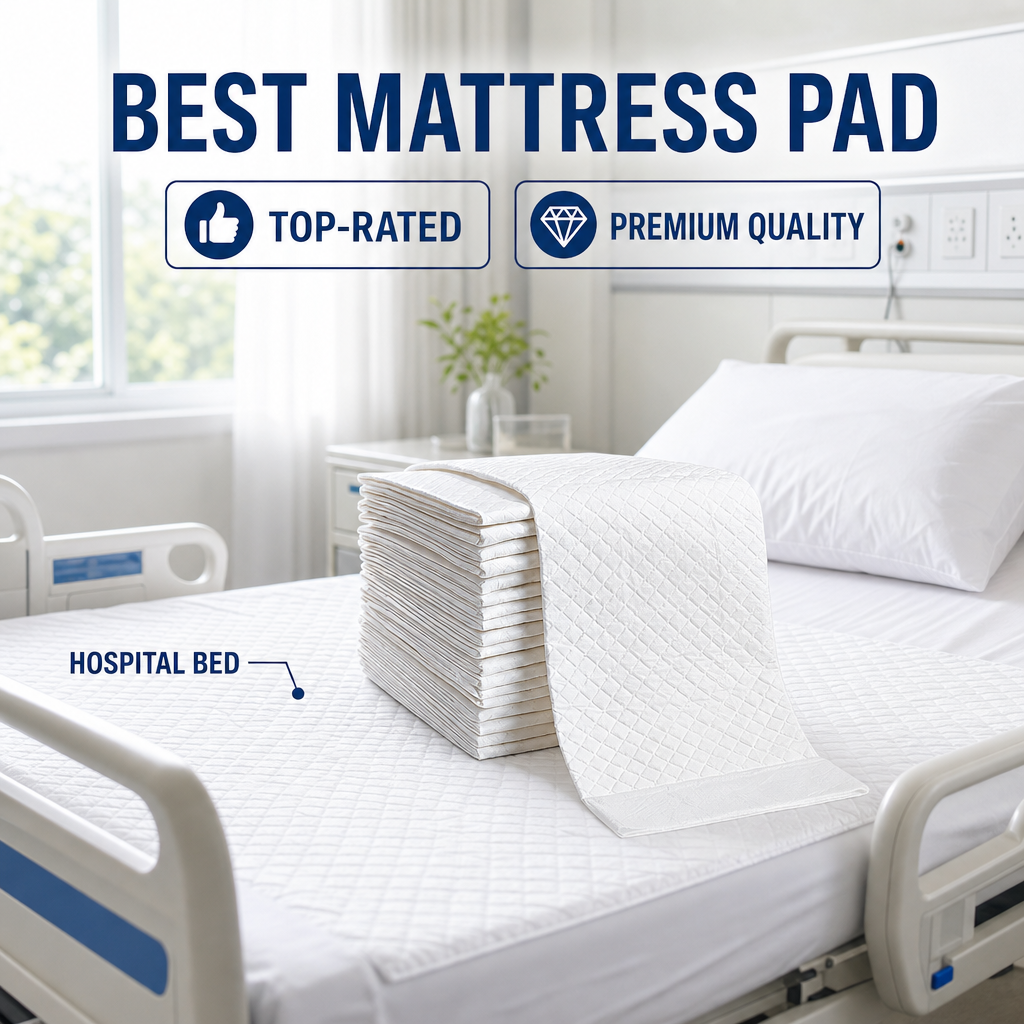
Pricing is a significant consideration when ordering mattress pads for hospital beds. Various factors can influence the overall cost:
Material Costs: The choice of materials directly affects pricing. Higher-quality, specialized fabrics will typically be more expensive but may offer better durability and performance.
Customization: If you require customized sizes or features, this can increase the cost. Customization might include specific dimensions, unique patterns, or additional functionalities, like waterproofing or enhanced antimicrobial properties. Consider options like Kimlead underpad for bed size large underpad absorbent incontinence underpad for tailored solutions.
Minimum Order Quantities (MOQ): Many manufacturers set a minimum order quantity, which can affect pricing. Bulk orders often lead to reduced per-unit costs, so consider your hospital's needs to balance stock levels and expenses.
Shipping and Handling: Factor in the costs associated with shipping, handling, and potential import duties if you're sourcing from international suppliers. These can significantly impact the total order cost.
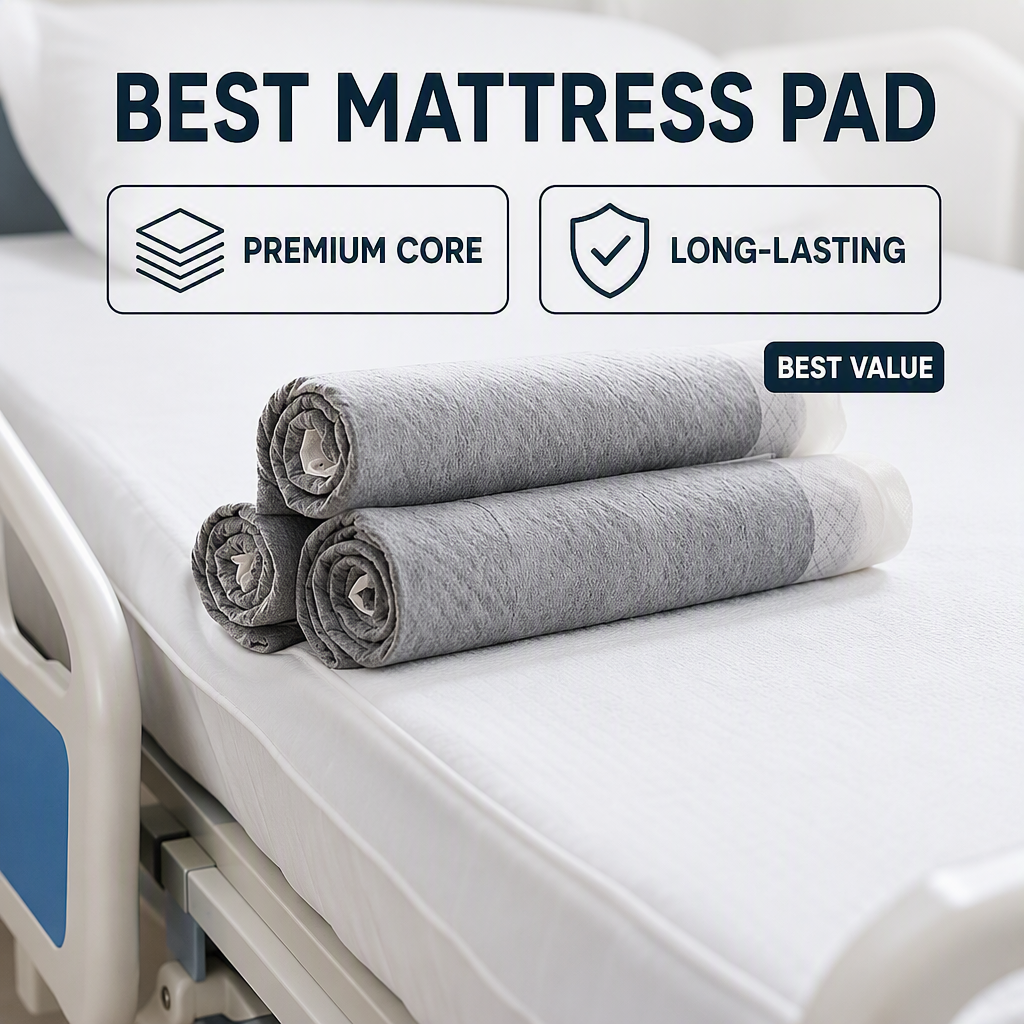
Proper installation of mattress pads is critical to ensuring patient comfort and safety. Follow these guidelines for effective installation:
Clean the Mattress Surface: Before placing the mattress pad, ensure that the mattress is clean and dry. This helps prevent contamination and promotes a hygienic environment.
Align the Pad Correctly: Position the mattress pad evenly over the mattress. Ensure that it covers the entire surface without any folds or creases, which can lead to discomfort for the patient.
Secure the Pad: If the mattress pad has elastic corners or straps, ensure they are firmly attached to the mattress. This will prevent the pad from shifting during use, maintaining comfort and safety.
Regular Maintenance: Establish a routine for checking and replacing mattress pads as needed. Regular inspections can help identify wear and tear, ensuring that the pads continue to provide the necessary support and hygiene.
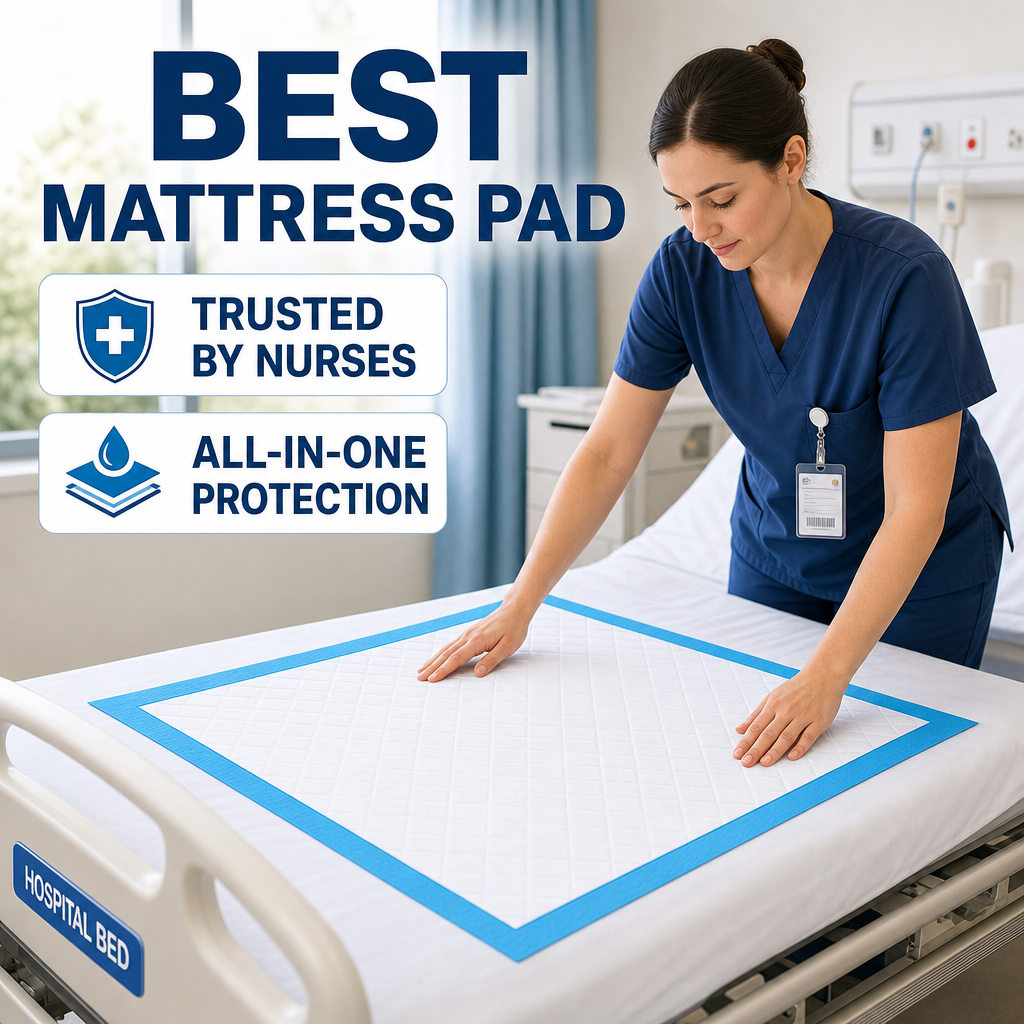
While hospital bed mattress pads serve an essential function, they are not without challenges. Here are some common problems and their solutions:
Slipping or Movement: Mattress pads can slip off the bed during use. To counter this, choose pads with non-slip backing or secure straps that hold the pad in place. Additionally, ensuring the correct fit for the mattress size can minimize movement.
Wear and Tear: Over time, mattress pads may show signs of wear, such as fraying or loss of cushioning. Regularly inspect the pads for damage and replace them according to a maintenance schedule to ensure ongoing comfort and hygiene.
Hygiene Issues: Stains or odors can develop if mattress pads are not cleaned properly. Choose materials that are machine washable and have water-resistant properties. Establish a cleaning protocol to maintain hygiene standards.
Allergic Reactions: Some patients may have sensitivities to certain materials. When selecting mattress pads, confirm that the materials are hypoallergenic and suitable for sensitive skin to prevent adverse reactions.
Kimlead utilizes strict Underpad control processes to ensure all products meet international standards. Our manufacturing facility is equipped with the most sophisticated laboratory for testing and an established quality control system that comprises more than 30 different kinds of tests. We adhere to international certification standards like ISO and CE to ensure the security and reliability of our products. We also carefully select our raw materials in order to ensure that each batch is in line with the highest quality standards. We do not just focus on the conformance to standards for products However, we also offer high-quality and safe products to provide our customers with the highest assurance of their security. Kimlead products are of best quality and comply with all requirements.
Kimlead has a highly skilled design team that can customize the appearance, function, size, and color to suit the customer's needs. Our team works closely with our customers to ensure that the final product meets to their Incontinence pads. We offer quality adult hygiene products that are of the highest standard and offer OEM as well as ODM services based on our clients' specific brand requirements. From requirement analysis through samples production, and finally to mass production and delivery, our customization process ensures every step meets the highest standards. Kimlead offers customized services to meet your individual needs.
Kimlead always Puppy pads in RD and in innovation to ensure the competitiveness of its market. We have a skilled RD team that is dedicated to creating new materials, technologies, and designs to meet the ever-changing market demands. We have developed our own line of biodegradable items, employing environmentally friendly production techniques and a sustainable design. Our innovations enhance the product's performance but also contribute to sustainability and environmental stewardship. Our continuous pursuit of new technologies is aimed at providing the highest quality products and services to our customers. Kimlead is an organization that values innovation and strives for excellence.
Kimlead boasts over 15 years of production experience offering high-quality hygiene products Our 46 000 square-meter facility is equipped with the most advanced production equipment For instance Mitsubishi high-speed automatic production machines equipped with fully-servo technology which can produce 200 000 items every day Our manufacturing processes comply with international standards and are certified by CE and FDA ISO13485 and ISO9001 also validate our products Incont pads vision inspection systems and tension system ensures that every product is thoroughly checked over 200 places Our manufacturing capability not just assures an efficient production but also helps meet large-scale order demands guaranteeing rapid delivery When you choose Kimlead you will benefit from our extraordinary manufacturing capabilities and efficient manufacturing processes
Selecting a trustworthy supplier for hospital bed mattress pads is crucial for ensuring quality and reliability. Here are key factors to consider:
Manufacturing Capabilities: Investigate the supplier’s manufacturing processes and capabilities. A supplier with advanced equipment and strict quality control measures, like Kimlead Hygiene Products, is more likely to provide high-quality products.
Experience and Reputation: Look for suppliers with a strong track record in the industry. Research customer reviews and testimonials to gauge their reliability and product quality.
Customization and Flexibility: Choose suppliers that offer customization options to meet your specific needs. This can include variations in size, materials, and specific features tailored to your hospital's requirements.
Customer Service and Support: A supplier that provides excellent customer service can make the ordering process smoother. Ensure they are responsive to inquiries and can assist with any issues that arise during the purchasing process.
By considering these factors and following the guidelines provided, healthcare providers can make informed decisions when selecting the best mattress pad for hospital beds, ensuring patient comfort and safety while maintaining high hygiene standards.

Kimlead Hygiene mainly produces adult diaper, adult pull up diaper, under pad, pet training pad, and operating international OEM/ODM business.
 EN