Hospital maternity pads are essential products used in medical facilities to ensure comfort and hygiene for new mothers during and after childbirth. When making bulk purchases, B2B buyers, such as hospital purchasing managers and distributors, are often concerned about product quality, material specifications, and supplier reliability. This article will guide you through choosing the right hospital maternity pads, key specifications to look for, cost factors, trusted suppliers, and how to compare different options effectively.
Selecting the right hospital maternity pads for bulk orders involves several key considerations. First, determine the specific needs of your facility, such as the absorbency level required, the typical duration of use, and the comfort features desired. Maternity pads should provide adequate absorption to manage postpartum bleeding, while also offering comfort to the patient. For heavy absorption needs, consider options like Kimlead underpad for bed size large underpad absorbent incontinence underpad.
When placing bulk orders, it's essential to consider the Minimum Order Quantity (MOQ), as this can vary significantly among suppliers. Ensure that the pads are designed with a soft, non-irritating surface, as new mothers may have sensitive skin post-delivery. Additionally, evaluate the packaging, as bulk orders should facilitate easy storage and handling, while maintaining hygiene standards.
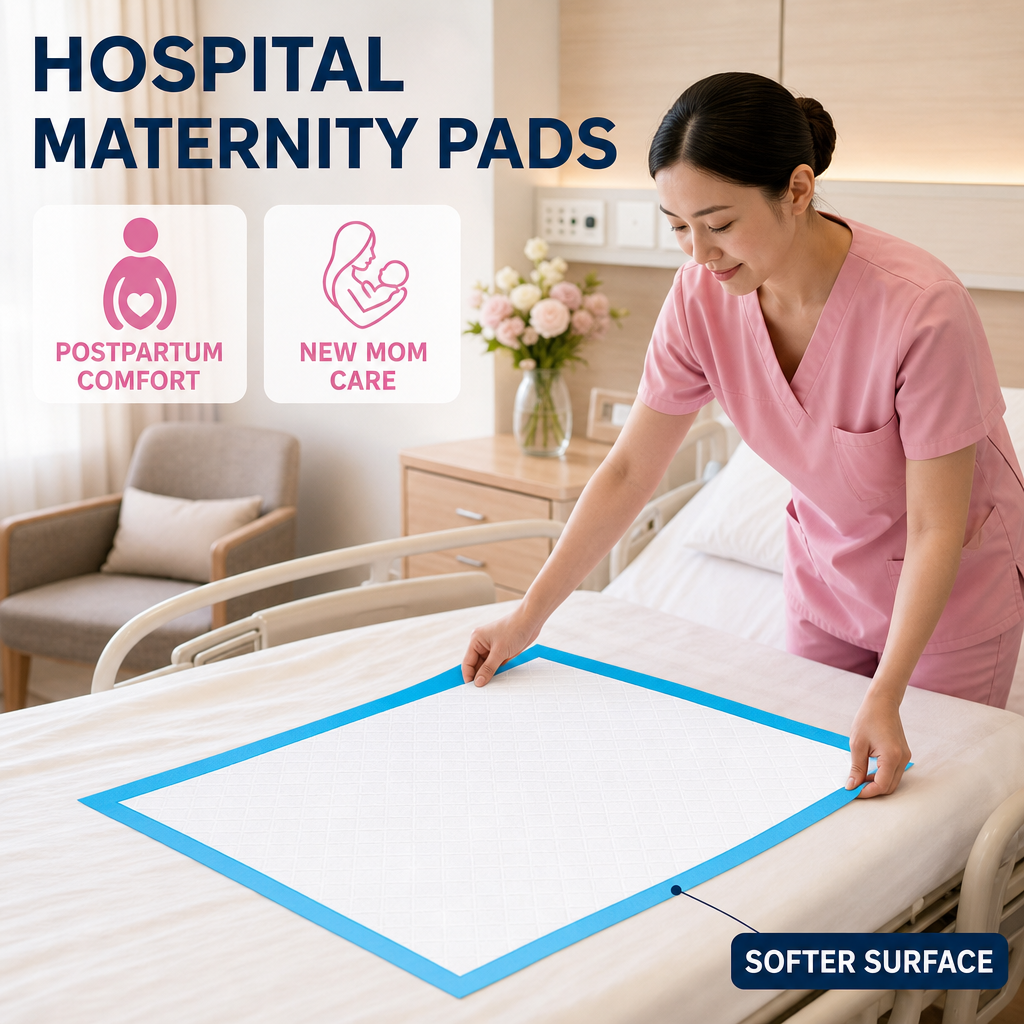
Quality hospital maternity pads are characterized by several critical specifications that should be carefully evaluated:
Absorbency: This is crucial for managing postpartum bleeding. Pads should be designed to absorb varying levels of fluid, with higher absorbency options available for heavier flow periods.
Material: The choice of materials impacts comfort and performance. Look for pads made from breathable, hypoallergenic materials that prevent irritation. Common materials include non-woven fabrics and super absorbent polymers.
Size and Dimensions: Maternity pads typically come in various sizes. Ensure that the dimensions match the intended use to provide adequate coverage without discomfort.
Adhesive Strength: A good adhesive ensures the pad stays in place during movement, which is vital for user comfort and effectiveness.
Fluid Locking System: This feature helps to prevent leakage and keeps the surface dry, enhancing comfort for the user.
Familiarizing yourself with these specifications can help ensure that the maternity pads you source meet both patient needs and hospital standards.
Several cost factors influence the pricing of hospital maternity pads. These include:
Material Costs: Higher-quality materials may increase the unit price but can offer better performance in terms of absorbency and comfort.
Customization: If custom designs or features are needed, such as specific sizes or branding, there may be additional costs associated with these adjustments.
Production Volume: Ordering in bulk can often lead to discounts, so understanding the pricing structure based on volume can help reduce overall costs.
Packaging and Shipping: Consider the costs of packaging, which can vary based on the supplier, and shipping logistics, especially for international orders.
Supplier Reliability: Working with a trusted supplier may come at a higher cost but can provide peace of mind regarding quality and timely delivery.
Evaluating these cost factors will aid in making informed purchasing decisions that align with your budget and quality requirements.
Finding reliable suppliers for hospital maternity pads is critical for ensuring consistent quality and supply. Here are some strategies to locate trusted sources:
Industry Directories: Utilize online B2B directories that specialize in medical supplies. These platforms often include reviews and ratings from other buyers, which can aid in assessing supplier reliability.
Trade Shows and Expos: Attending industry-specific trade shows offers the opportunity to meet suppliers face-to-face, allowing for detailed discussions about product specifications and capabilities.
Professional Networks: Engage with peers in the medical field to gather recommendations based on their experiences with suppliers.
Certifications and Compliance: Verify that potential suppliers have the necessary certifications and comply with national medical device standards, which can be indicative of product quality.
OEM and ODM Services: Consider suppliers like Kimlead Hygiene Products that offer Original Equipment Manufacturer (OEM) and Original Design Manufacturer (ODM) services. These options can provide customized solutions tailored to your specific needs. For example, Kimlead Adult Diapers — High-Absorbency Adult incontinence care products are an excellent choice for various healthcare settings.
Taking the time to thoroughly vet suppliers will ensure a reliable source for high-quality hospital maternity pads.
Kimlead invests in continuous RD to ensure competitiveness in the market. Our RD team is dedicated to developing Underpad, designs, and methods to meet constantly changing requirements of the market. We've developed independently a range of biodegradable products, following eco-friendly production processes with degradable materials and energy efficient designs. Our innovations will not only enhance product performance but also contribute to sustainability and environmental friendliness. We constantly seek breakthroughs and strive to offer the most innovative and high-quality products for our customers. Kimlead is an organization that seeks out innovation and excellence.
Kimlead boasts 15 years of experience in production providing high-quality hygiene products The factory which covers Grown up diapers square meters is outfitted with the most advanced production equipment For example Mitsubishi high-speed automatic production machines equipped with fully-servo technology which can produce 200 000 items per day Our production processes are in accordance with international standards and certified by CE and FDA ISO13485 and ISO9001 also certify our products We utilize the Techmach Vision inspection system and tension control system that ensures every product is subjected to a rigorous inspection at more than 200 locations Our manufacturing capabilities assure not just a high-quality product but also the ability to meet huge-scale orders and provide prompt delivery When you choose Kimlead you can benefit from our manufacturing expertise and efficient manufacturing processes
Kimlead's skilled design team can alter the appearance of your product in terms of functionality, size and appearance to meet the needs of customers. The team Adult diapers closely with customers to learn about their needs, and make sure the final product will meet their expectations. We offer high-end adult products as well as OEM as well as ODM services based on the clients' requirements regarding their brand. Our process of customization that includes everything from analysis of requirements, sample production, mass production, and even delivery, ensures that every stage is to the highest standard. By selecting Kimlead you can enjoy professional services for customization that are tailored to your unique requirements.
Kimlead Puppy pads strict quality control methods to ensure all products meet international standards. The factory is outfitted with a professional lab for testing and the quality control system encompasses more than 30 types of tests. Our products are tested according to international standards like ISO and CE. We also carefully select the raw materials we use to ensure that each batch is in line with the highest quality standards. We do not just focus on product conformity, but will provide safe and reliable hygiene products and ensuring our customers have peace of mind. When you choose Kimlead, you will receive quality products that have been tested to meet the most stringent standards.
When comparing hospital maternity pads, it’s essential to assess several factors to ensure they meet your facility's requirements. Here’s a practical approach to making informed comparisons:
Absorption Capacity: Review the absorbency ratings of different products. Some brands may offer testing results that indicate their performance under various conditions.
User Feedback: Gather feedback from nursing staff and patients who have used the pads. Their insights can be invaluable in assessing comfort and effectiveness.
Material Composition: Compare the materials used in different pads. Look for features such as breathability and hypoallergenic properties that contribute to patient comfort.
Price per Unit: Calculate the total cost per unit based on bulk pricing and any additional fees. This will help you determine the best value for your investment.
Delivery Times: Ensure that lead times align with your supply needs. Reliable suppliers should provide clear timelines for order fulfillment.
Quality Control Processes: Assess the supplier’s quality control measures to ensure that the maternity pads consistently meet quality standards.
By focusing on these factors, you can make informed comparisons that lead to the selection of the most suitable hospital maternity pads for your needs.

Kimlead Hygiene mainly produces adult diaper, adult pull up diaper, under pad, pet training pad, and operating international OEM/ODM business.
 EN