EN
EN

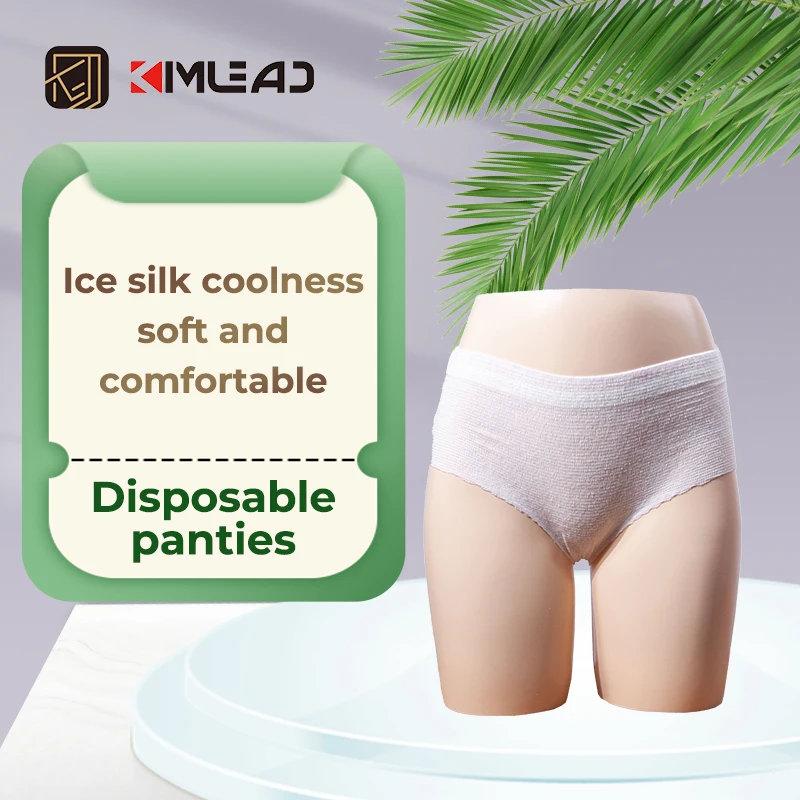
Panty diapers are a specialized form of incontinence products designed for users who value comfort and discretion while managing urinary incontinence. Unlike traditional adult diapers, disposable panty liners resemble regular underwear, making them a preferred choice for active users. The core advantages of panty diapers are particularly significant for purchasing managers, distributors, and healthcare providers, who must consider factors such as comfort, fit, material quality, and cost when sourcing these products. This article will delve into the advantages of panty diapers for active incontinence users, ensuring that B2B buyers are well-informed for their purchasing decisions.
Panty Diapers vs. Traditional Options
When comparing panty diapers to traditional adult diaper options, several key differences emerge. Panty diapers are designed to fit snugly and discreetly, resembling everyday underwear, which can significantly enhance user comfort and confidence. This design encourages regular use, which is critical for managing incontinence effectively.
Traditional diapers, while functional, often lack the sleek, underwear-like appearance that many users prefer. This can lead to stigma or discomfort, particularly in social situations. Additionally, panty diapers typically feature advanced materials that enhance breathability and moisture-wicking properties, reducing skin irritation and promoting overall skin health.
For B2B buyers, understanding these differences is crucial. Evaluating the fit, absorbency, and overall design of both options can help ensure that the products meet user needs, particularly in environments such as hospitals, nursing homes, or retail settings.
Understanding Material Advantages of Panty Diapers for Comfort
The materials used in panty diapers play a critical role in their overall performance and user comfort. High-quality panty diapers are often made from soft, breathable fabrics that allow for airflow, which is essential for reducing skin irritation and maintaining hygiene. Advanced materials can also enhance the absorbency of the product without adding bulk, allowing users to remain active without feeling restricted.
Manufacturers like Kimlead Hygiene Products utilize advanced textiles that offer both comfort and functionality. For instance, the use of super-absorbent polymers can significantly improve the retention of moisture, ensuring that users remain dry for extended periods. Buyers should consider the specific material compositions when evaluating panty diaper for women, as these can directly affect user satisfaction and product effectiveness.
Furthermore, understanding the certifications and quality control processes involved in the production of these materials can provide additional assurance regarding product safety and performance.
Evaluating Cost Factors for Bulk Orders of Panty Diapers
Cost is a significant factor for B2B buyers when evaluating panty diapers, especially for bulk orders. While the initial price per unit may fluctuate based on material quality and design complexity, it's essential to consider the total cost of ownership. Factors such as durability, absorption capacity, and user satisfaction can all significantly impact long-term costs.
When negotiating bulk orders, companies should assess the minimum order quantities (MOQs) from suppliers like Kimlead Hygiene Products, as well as any potential discounts for larger purchases. Additionally, understanding lead times for production and delivery can help buyers plan their inventory more effectively.
Another cost consideration is packaging. Custom packaging solutions may add to the upfront cost but can enhance brand visibility and marketability, making them a worthwhile investment for distributors and retailers.
Ensuring Quality in Panty Diaper Purchases
Quality assurance is paramount when sourcing panty diapers, as these products are intended for sensitive users who rely on them for comfort and safety. Buyers should ask for detailed information regarding the quality control processes utilized by manufacturers. This includes understanding how raw materials are tested, the standards used to evaluate finished products, and whether they comply with relevant health and safety regulations.
Moreover, buyers should consider requesting samples prior to placing large orders. A thorough examination of samples allows the evaluation of material softness, fit, absorbency, and overall design. It's also advisable to gather feedback from end-users who will be using the product, as their insights can help inform purchasing decisions.
Engaging with manufacturers who have a proven track record in quality assurance, such as Kimlead Hygiene Products, can provide additional confidence in the reliability of the products.
Applications of Panty Diapers in Various Industries and Settings
Panty diapers are versatile products that find applications across numerous industries. In healthcare settings, they are invaluable for elderly care, post-operative recovery, and long-term patient management. Their discreet design allows patients to maintain dignity while managing incontinence.
In the retail sector, panty diapers can be marketed effectively to consumers seeking discreet and comfortable solutions. Understanding trends in consumer preferences can help distributors and retailers tailor their offerings to meet market demands.
Additionally, panty diapers can be suitable for travel or active lifestyles, where traditional options may not provide the required convenience and comfort. By recognizing the various applications of panty diapers, B2B buyers can better align their inventory strategies with customer needs and market opportunities.
panty diapers offer substantial advantages for active incontinence users, making them an important consideration for B2B buyers. Understanding the differences between panty diapers and traditional options, the material advantages, cost factors, quality assurance, and their applications across industries can aid in making well-informed purchasing decisions. By focusing on these core advantages, companies can better meet the needs of their customers while ensuring user satisfaction and comfort.