EN
EN

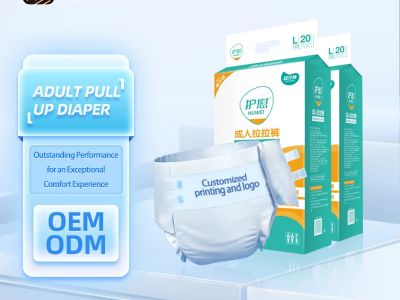
In the world of personal hygiene products, particularly panty diapers, ensuring quality before large-volume shipments is crucial for manufacturers and distributors alike. The primary keyword, Quality Audit Points for Panty Diapers Before Large Volume Shipment, highlights the importance of a thorough quality control process. B2B buyers, including purchasing managers and product managers, must address key concerns such as product specifications, material quality and potential common issues. This article will provide insights into critical quality audit points that should be considered before shipment, ensuring that products meet both regulatory standards and customer expectations.
Key Specifications to Consider for Panty Diaper Quality
When evaluating panty diapers, several specifications should be prioritized to ensure product quality. Key specifications include:
Absorbency: This is often measured in milliliters and indicates how much liquid the diaper can hold. Adequate absorbency is essential for user comfort and skin health. Buyers should confirm that the absorbency levels meet the intended use, whether for everyday wear or specialized applications.
Fit and Size Variability: Proper fit is crucial for comfort and effectiveness. Specifications should include waist and hip measurements, as well as the elastic properties of the product. This ensures that the panty diapers accommodates various body shapes and sizes.
Material Composition: Understanding the materials used in the outer layer, absorbent core, and inner lining is vital. Common materials include non-woven fabrics, superabsorbent polymers, and breathable layers. Buyers should assess whether these materials are hypoallergenic and suitable for sensitive skin.
Sealing and Adhesives: The integrity of seals and the type of adhesives used can impact product performance. Poor sealing can lead to leaks while unsuitable adhesives may cause skin irritation. Buyers should request testing data to verify these aspects.
Regulatory Compliance: Ensure that the products meet relevant health and safety standards, such as ISO certification or compliance with local regulations. This can prevent costly delays or rejections in the supply chain.
Cost Factors to Assess When Sourcing Panty Diapers
Cost considerations play a significant role in sourcing panty diapers. Buyers must analyze several factors that influence pricing:
Material Costs: High-quality materials often come with a higher price tag. However, investing in superior materials can enhance product performance and customer satisfaction, leading to long-term savings.
Production Volume: Minimum order quantities (MOQs) can affect pricing. Larger orders may reduce per-unit costs, but buyers should balance this with inventory management to avoid excess stock.
Customization Fees: If customization is required, such as branding or specific design features, this can increase overall costs. Buyers should evaluate the added value of these panty diaper for women against the associated costs.
Shipping and Logistics: Transportation costs can vary significantly based on distance, shipping method, and packaging. Buyers should factor these expenses into the total cost of acquisition and consider logistics partners with reliable delivery times.
Quality Control Expenses: Implementing thorough quality control measures can incur additional costs. However, these costs are often justified by the reduction in returns and customer complaints.
Common Quality Issues in Panty Diapers and Their Solutions
Quality issues in panty diapers can lead to significant challenges for manufacturers and buyers. Common problems include:
Leakage: One of the most critical issues, leakage can arise from poor absorbency or inadequate sealing. To address this, manufacturers should conduct comprehensive testing of absorbent materials and sealing methods.
Skin Irritation: This can occur due to the use of harsh materials or poor breath ability. Buyers should ensure that the materials used are hypoallergenic and breathable, and manufacturers should be prepared to provide dermatological testing results.
Sizing Inconsistencies: Variations in size can lead to discomfort and ineffective use. Consistent measurements should be enforced during production, and buyers should request samples from different batches for testing.
Poor Adhesion of Fasteners: If the adhesive used for fasteners fails, it can affect the product's usability. Regular quality audits and testing of adhesive bonds can help mitigate this issue.
To tackle these common problems, implementing a rigorous quality assurance process that includes sample testing and regular audits can significantly improve product reliability.
Understanding Panty Diaper Materials
The materials used in panty diapers play a pivotal role in their performance and user experience. Here are some crucial aspects to consider:
Outer Layer: Typically made from breathable non-woven fabrics, this layer provides comfort and prevents moisture accumulation. Buyers should assess the softness and durability of materials to ensure user satisfaction.
Absorbent Core: Often composed of superabsorbent polymers (SAP) and fluff pulp, the core's design impacts absorbency and retention capacity. Buyers should inquire about the specific composition and performance metrics of the absorbent core.
Inner Lining: This layer comes into direct contact with the skin and is often made from soft, hypoallergenic materials. Ensuring that the inner lining is gentle and non-irritating is essential for user comfort.
Elastic Components: The use of elastic materials helps maintain a secure fit. Buyers should evaluate the quality and stretch ability of elastics to prevent leaks and improve comfort.
Understanding these materials helps buyers make informed decisions about of adult diapers product selection and aligns with their quality expectations.
Best Practices for Quality Audit of Panty Diapers Before Shipment
Implementing a quality audit before large-volume shipments is essential for mitigating risks and ensuring customer satisfaction. Here are best practices to follow:
Pre-Shipment Samples: Request pre-shipment samples for evaluation. This allows buyers to assess product quality, fit, and performance before mass production. It's advisable to test samples under actual usage conditions.
Documented Quality Control Procedures: Review the manufacturer's quality control processes. Ensure that they have documented procedures for monitoring production consistency, including regular inspections and batch testing.
Third-Party Testing: Employ third-party testing facilities for unbiased evaluations of material performance and compliance with industry standards. This adds an extra layer of trust in the product's quality.
Inspection Checklists: Utilize a comprehensive checklist during inspections, covering all critical specifications, material quality, and packaging integrity. This helps ensure that nothing is overlooked.
Feedback Loop: Establish a feedback mechanism with the manufacturer. Continuous communication about quality issues or concerns can lead to improvements in future shipments.
By following these best practices, buyers can enhance their quality assurance processes and minimize risks associated with large-volume orders.