EN

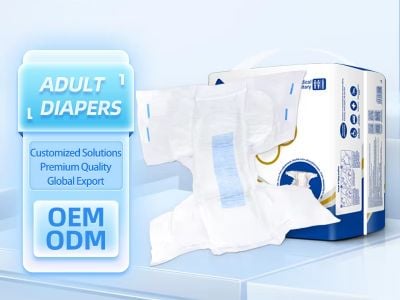
Urinary incontinence bed pads are essential products for hospital facilities, providing comfort and hygiene for patients experiencing incontinence. When considering wholesale purchases, healthcare purchasing managers need to address concerns such as product quality, material suitability supplier reliability, and cost-effectiveness. This article will guide you through the key factors to consider when sourcing urinary incontinence bed pads, helping you make informed decisions that align with the specific needs of your facility.
What to Consider When Sourcing Urinary Incontinence Bed Pads Wholesale?
When sourcing urinary incontinence bed pads wholesale, several critical factors should be evaluated to ensure you meet your facility's standards and patient needs.
Product Specifications: Determine the dimensions, absorption capacity, and thickness required for your specific patient demographics. Different patients may have varying levels of incontinence, necessitating different product specifications.
Customization Options: Many suppliers offer customization capabilities, which can be vital for hospitals looking to address specific patient needs. This includes options like pad size, material, and packaging.
Minimum Order Quantities (MOQ): Understand the MOQ policies of potential suppliers, as this can affect your procurement strategy. Choose a supplier that accommodates your purchasing volume without leading to excess inventory.
Lead Times: Investigate the lead times for production and shipping. Delays can significantly impact your facility's ability to provide consistent care.
Pricing Factors: Evaluate how pricing varies based on factors such as order volume, customization, and payment terms. Comparing quotes from multiple suppliers can help you secure the best deal without compromising quality.
How to Evaluate the Quality of Urinary Incontinence Bed Pads?
Quality evaluation is paramount when selecting urinary incontinence bed pads. Here are key aspects to consider:
Materials Used: Analyze the materials used in the production of bed pads. High-quality materials that offer good moisture absorption, breath ability, and comfort are essential. Common materials include non-woven fabrics, absorbent cores, and waterproof back sheets.
Manufacturing Standards: Ensure the supplier adheres to national medical device standards. This includes certifications indicating compliance with quality management systems like ISO 13485.
Quality Control Processes: Inquire about the supplier's quality control processes. Effective quality checks during manufacturing can help prevent defects and ensure product reliability.
Sample Evaluation: Always request samples before placing a bulk order. Assess the samples for their absorbency, comfort, and durability in real-world conditions.
User Feedback: If possible, gather feedback from healthcare professionals who have used the products. Their insights can provide valuable information about the bed pads for bed wetting performance in a clinical setting.
Finding Reliable Suppliers for Bed Pads
Identifying reliable suppliers for urinary incontinence bed pads is crucial for maintaining consistent quality and supply. Here are some strategies:
Research and Recommendations: Start by researching potential suppliers and seeking recommendations from industry peers. Attending trade shows and industry conferences can also provide valuable networking opportunities.
Supplier Evaluations: Assess potential suppliers based on their manufacturing capabilities, experience in the industry, and customer service reputation. A supplier with a strong track record in the healthcare sector is often more trustworthy.
Certifications and Compliance: Verify that suppliers have the necessary certifications and comply with industry regulations. This ensures that the products they provide meet the required safety and quality standards.
Production Capacity: Consider the supplier's production capacity and whether they can meet your anticipated demand. This is particularly important for hospitals with fluctuating patient loads.
Long-Term Relationships: Building a long-term relationship with a reliable supplier can lead to better pricing, more favorable terms, and improved service. Look for suppliers willing to collaborate on product development and customization.
Understanding Material Advantages of Incontinence Bed Pads for Hospitals
The materials used in urinary incontinence bed pads play a crucial role in their performance and suitability for hospital use. Here are some common materials and their advantages:
Non-Woven Fabrics: These fabrics are often used in the top layer of bed pads for their softness and comfort against the skin. They are breathable, reducing the risk of skin irritation.
Super Absorbent Polymer (SAP): Many bed pads adults incorporate SAP in their absorbent cores, enhancing moisture retention and keeping the surface dry. This helps prevent skin breakdown and enhances patient comfort.
Waterproof Back sheets: A waterproof backing is essential to prevent leakage, protecting bedding and mattresses. Look for materials that are durable yet soft to ensure comfort.
Biodegradable Options: Environmentally-conscious facilities may prefer pads made from biodegradable materials. These options can reduce the environmental impact without compromising performance.
Customization Materials: Some suppliers offer custom fabric blends tailored to specific applications, such as enhanced breath ability or increased absorbency, which can be beneficial depending on patient needs.
Common Problems with Urinary Incontinence Bed Pads and Practical Solutions
Like any product, urinary incontinence bed pads can face challenges. Here are some common issues and their solutions:
Leakage: This can occur if the absorbency level is insufficient for the patient’s needs. To address this, ensure that the chosen pad has an appropriate absorption capacity based on expected usage.
Skin Irritation: Poor-quality materials can lead to skin irritation. Opt for pads made from hypoallergenic materials and those with moisture-wicking properties to maintain skin integrity.
Fit and Comfort: Ill-fitting pads may lead to discomfort and increased risk of leaks. Encourage caregivers to select the right size and type of pad based on the patient's mobility and physical condition.
Odor Control: Some pads may not effectively control odors. Look for products with odor-neutralizing features to enhance patient dignity and comfort.
Product Disposal Issues: Improper disposal can be a concern in hospital settings. Collaborate with suppliers to ensure that the product design includes easy-to-use disposal features, such as tear-away packaging or biodegradable materials.
By understanding these common challenges and addressing them proactively, healthcare facilities can enhance patient care and satisfaction.
Sourcing urinary incontinence bed pads for adults wholesale requires careful consideration of quality, supplier reliability, and patient needs. By following these guidelines, you can ensure that your facility meets the demands of patient care effectively.
Table of Contents
- What to Consider When Sourcing Urinary Incontinence Bed Pads Wholesale?
- How to Evaluate the Quality of Urinary Incontinence Bed Pads?
- Finding Reliable Suppliers for Bed Pads
- Understanding Material Advantages of Incontinence Bed Pads for Hospitals
- Common Problems with Urinary Incontinence Bed Pads and Practical Solutions