EN

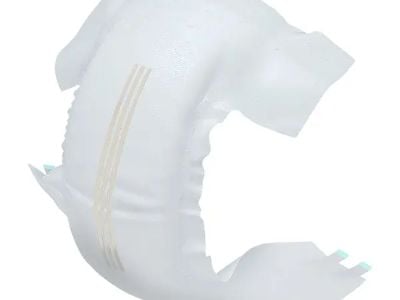
In the healthcare industry, the selection between medical pads and incontinence bed pads is crucial for maintaining patient comfort and hygiene. Understanding the differences between these two products is essential for purchasing managers, distributors, and healthcare providers who aim to make informed decisions. This article will delve into the specifics of medical pads versus incontinence bed pads, focusing on their applications, key differences, and important considerations for bulk ordering. By the end, readers will be equipped with the knowledge needed to choose the right product for their medical care scenarios
How to Choose Between Medical Pads and Incontinence Bed Pads
Selecting the right product between medical pads and bed incontinence pads depends on several factors, including the intended use, absorbency level, and patient needs. Medical pads are designed primarily for surgical or procedural use, providing a sterile barrier during medical interventions. On the other hand, incontinence bed pads are typically used for managing urinary or fecal incontinence, offering a protective layer for bedding and helping maintain hygiene for those who may experience leaks
When making a choice, consider the following
Absorbency Needs: Assess the level of absorbency required based on the patient's condition. Medical pads generally have a higher absorbency designed for brief, intensive use, while incontinence pads focus on longer-lasting use
Comfort and Skin Protection: Evaluate the materials used; softer, breathable fabrics are often better for patients with sensitive skin. Medical pads may be more rigid due to their purpose, whereas incontinence pads are designed for prolonged contact with the skin
Usage Environment: Consider where the product will be used. Medical pads are often utilized in clinical settings, while incontinence bed pads are used at home or in long-term care facilities
By clearly identifying these factors, buyers can make a more informed decision that aligns with their requirements
Medical Pads vs Incontinence Bed Pads
Medical pads and incontinence bed pads serve distinct purposes within healthcare settings
Medical Pads: These are typically used in clinical environments, such as hospitals and clinics. They are designed for short-term use in sterile conditions, providing a protective barrier during procedures. Medical pads are often made with materials that prioritize sterility and absorbency, such as non-woven fabrics with high absorbent cores designed to manage bodily fluids effectively
Incontinence Bed Pads: These pads are tailored for individuals experiencing incontinence issues, focusing on longer-term use. They are constructed to protect bedding from leaks while ensuring the comfort of the user. Incontinence bed pads often come with features such as waterproof backing, odor control, and soft surface materials that enhance comfort during extended use
Understanding these distinctions will help buyers select the most appropriate product based on how and where they will be utilized, ensuring optimal care for patients
Key Differences in Applications for Medical Pads and Bed Pads
The applications of medical pads and incontinence bed pads adults highlight their differences in usage scenarios
Medical Applications: Medical pads are ideal for surgical settings, wound care, and other medical procedures. They provide a sterile environment that reduces the risk of infections during interventions. The absorbency levels and material composition are specifically tailored to quickly absorb fluids produced during medical procedures
Personal Care Applications: Incontinence bed pads are suited for individuals managing chronic incontinence. They offer a solution for home care, nursing homes, and hospitals where maintaining cleanliness and comfort is critical. The pads can be used on beds, chairs, or wheelchairs, providing a protective layer that absorbs fluids and prevents leaks from reaching the underlying surfaces
Patient Comfort and Dignity: While medical pads are focused on clinical efficiency, incontinence bed pads prioritize user comfort and dignity. They often feature softer materials that reduce friction and irritation, making them suitable for prolonged contact with sensitive skin
Recognizing these application differences is essential when determining which product will best meet the needs of patients and caregivers alike
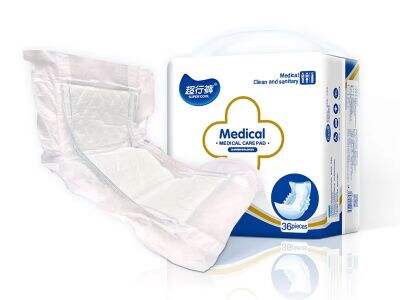
Bulk Order Considerations for Medical and Incontinence Bed Pads
When planning bulk orders for medical pads or incontinence bed pads, several considerations should be factored into the purchasing decision
Minimum Order Quantities (MOQ): Different manufacturers have varying MOQ requirements. Buyers should confirm these numbers upfront to ensure they can meet their needs without over-committing resources
Customization Options: Depending on the application, buyers may want to explore customization options for either type of pad. This could include specific dimensions, absorbency levels, or materials that cater to unique patient needs
Quality Assurance and Certifications: It's critical to ensure that the products meet relevant quality standards. Buyers should verify any certifications related to manufacturing processes, such as compliance with national medical device standards, which can affect product reliability and safety
Packaging and Shipping: Discuss packaging methods and shipping logistics with suppliers. Efficient packaging can facilitate easier handling and storage, while shipping times can impact inventory management
Cost Factors: Understand the pricing structure, which may vary based on order quantity, customization, and product specifications. Engaging in discussions about pricing during the RFQ process can help streamline budget considerations
By navigating these bulk order considerations, buyers can ensure they secure the best products while optimizing their procurement processes
Sourcing Medical Pads and Bed Pads for Projects
Sourcing medical pads and incontinence bed pads requires a strategic approach to ensure alignment with project specifications and patient needs. Here are actionable steps to guide the sourcing process
Define Project Requirements: Clearly outline the specifications needed for the pads based on the intended application. Factors such as absorbency, materials, and dimensions should be specified to potential suppliers
Request Samples: Before committing to a large order, request samples to evaluate product performance. Testing samples under real-world conditions will help verify if they meet the required standards and comfort levels
Evaluate Suppliers: When sourcing, assess potential suppliers not only on pricing but also on their manufacturing capabilities and quality control processes. Understanding their production equipment and methods can offer insights into the reliability of the products
Confirm Lead Times: Engage in discussions about lead times to ensure that products can be delivered in a timely manner. This is particularly important for healthcare settings that may have urgent needs
Establish Clear Communication: Maintain open lines of communication with suppliers to address any concerns or questions during the sourcing process. Clear agreements on specifications, delivery times, and pricing will help prevent misunderstandings
By following these steps, purchasing managers and procurement specialists can effectively source the right medical and incontinence pads for their healthcare projects, ensuring optimal patient care and satisfaction