EN

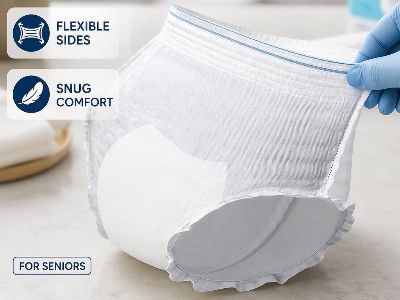
Sourcing panty diapers through OEM and private label solutions from a disposable diaper factory can be a strategic move for businesses looking to enhance their product offerings. As a purchasing manager, distributor, or product manager, you may have specific concerns about quality, pricing, and supplier reliability. This article will provide insights into key specifications, supplier selection, sourcing methods, material advantages, and common challenges in diaper sourcing, helping you make informed purchasing decisions
Key Specifications to Consider
When sourcing panty diapers, several specifications are crucial to ensure the product meets your market needs. Key considerations include
Material Composition: Diapers are typically made from a combination of non-woven fabric, absorbent core materials, and waterproof back sheets. Understanding the composition is vital, as it affects comfort, absorbency, and skin sensitivity
Size and Fit: Sizing standards can vary significantly among manufacturers. Ensure that the supplier provides a range of sizes that cater to your target demographic. Proper fit is essential for user comfort and effectiveness
Absorbency Levels: Different applications require different absorbency capabilities. The absorbent core's capacity should align with the intended use—whether for daytime or overnight wear
Breath-ability and Skin Health Features: Diapers designed with breathable materials contribute to skin health by reducing irritation. Look for features such as moisture-wicking fabrics and hypoallergenic materials
Sealing and Fastening Systems: The type of fastening—whether hook and loop, adhesive, or elastic waistbands—affects usability and comfort. Ensure these features are easy to operate for the end user
These specifications can significantly impact the product's performance, so it's advisable to work closely with your supplier to confirm the details before placing an order
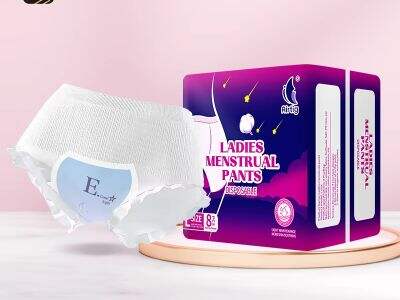
How to Choose the Right Supplier for Private Label Diapers
Selecting the right supplier for private label diaper production involves thorough evaluation and consideration of several factors
Manufacturing Capabilities: Assess the supplier's production facilities and technology. Look for factories that maintain industry-standard certifications and utilize advanced manufacturing processes, such as automation and quality control systems
Experience and Reputation: Research the supplier's history in the market, customer reviews, and case studies. Experienced suppliers are more likely to understand the nuances of diaper production and common challenges
Customization Options: A good supplier should offer customization capabilities, allowing you to tailor the product to your brand's specifications, including packaging design, absorbency levels, and material choices
Minimum Order Quantities (MOQ): Understand the supplier's MOQ, as this can impact your inventory management and cash flow
Lead Times: Inquire about production lead times and how they align with your business needs. Timely delivery is critical to maintaining your supply chain and meeting market demand
Choosing the right supplier involves careful consideration of these factors to ensure a successful partnership that supports your brand's goals
Where to Find Reliable Sources for Bulk Diaper Orders
Finding reliable sources for bulk diaper orders can be challenging, but several strategies can streamline the process
Industry Trade Shows: Attending trade shows dedicated to hygiene products can provide direct access to manufacturers and suppliers. These events offer an opportunity to network, view product samples, and gather information about potential partners
Online B2B Marketplaces: Platforms like Alibaba, Global Sources, and Made-in-China can help you connect with manufacturers worldwide. Always conduct thorough due diligence to verify supplier credentials and product quality before placing orders
Professional Networks: Leverage your industry contacts and networks to get recommendations for reputable suppliers. Personal referrals can often lead to trustworthy partnerships
Industry Associations: Joining industry associations related to hygiene products may provide access to a directory of reputable suppliers and manufacturers
Local Manufacturers: Consider local manufacturers who can provide shorter lead times and easier communication, especially if the market demands quick adaptability to trends
Using these methods can help you identify reliable suppliers that meet your requirements

Comparing Material Advantages of Disposable Diapers
The choice of materials in disposable diapers significantly influences performance, comfort, and cost. Here are some commonly used materials and their advantages
Non-Woven Fabrics: These are often used for the outer layer of diapers. They are breathable, soft, and comfortable against the skin, reducing the risk of irritation
Absorbent Polymer (SAP): SAP is a key component in the absorbent core, allowing diapers to hold significant amounts of liquid while keeping the surface dry. This is crucial for preventing leaks and maintaining user comfort
Polyethylene Film: Typically used as a waterproof back sheet, polyethylene film helps prevent leakage while allowing for some breath-ability, which is important for skin health
Adhesive Materials: The type of adhesive used in the fastening system can affect usability. A low-residue adhesive can allow for easy reapplication without damaging the product
Understanding these material advantages can help you select a diaper that meets your performance and pricing requirements while also aligning with customer expectations
Common Problems in Diaper Sourcing and Effective Solutions
When sourcing panty diaper for women, several common problems may arise, along with effective strategies to address them
Quality Inconsistencies: Variability in product quality can occur due to differences in raw materials or production processes. To mitigate this risk, implement a rigorous quality control process, including pre-production samples and regular inspections during manufacturing
Communication Barriers: Misunderstandings can occur due to language and cultural differences. Establish clear communication channels and use detailed specifications to minimize ambiguity
Supply Chain Delays: Delays in production or shipping can disrupt your supply chain. Build strong relationships with suppliers and consider multiple sources to diversify risk. Always have a contingency plan for unexpected delays
Regulatory Compliance: Ensure that your suppliers comply with relevant regulations and standards in your target markets. Request documentation to verify compliance with safety and quality standards
By proactively addressing these issues, you can enhance the reliability of your diaper sourcing process and ensure a consistent product offering for your customers