Small disposable underpads are essential hygiene products widely used in healthcare settings, providing protection for beds, chairs, and other surfaces against moisture and soiling. For B2B buyers, such as distributors and purchasing managers, selecting the right underpads can be critical for ensuring quality and reliability. This article will guide you through key specifications, quality comparisons, material advantages, supplier evaluations, and technical insights necessary for informed purchasing decisions regarding small disposable underpads.
When considering small disposable underpads for bulk purchases, several key specifications should be evaluated to ensure they meet your needs. These specifications typically include size, absorbency capacity, material composition, and barrier properties.
Size: The dimensions of the underpads are crucial, as they should fit the intended application, whether for adult diapers, hospital beds, or other uses. Standard sizes generally range from 23 x 24 inches to 30 x 36 inches. Choosing the right size can help prevent leakage and ensure full coverage.
Absorbency Capacity: This specification determines how much liquid the underpad can hold before it reaches its saturation point. It's essential to match the absorbency level with the expected usage scenario. For instance, underpads used in high-absorbency situations should have a higher capacity to prevent leaks. For high-absorbency needs, consider options like Kimlead underpads disposable incontinence pad bed pad.
Material Composition: Most small disposable underpads are made from a combination of non-woven fabric, polymer layers, and absorbent cores. Understanding the materials used can help assess durability, comfort, and overall performance.
Barrier Properties: The effectiveness of the underpad in preventing leaks is largely determined by its barrier properties. Look for underpads with a strong waterproof backing to ensure that moisture does not seep through and damage underlying surfaces.
Buyers should confirm these specifications with each supplier to ensure that the products meet their specific requirements.
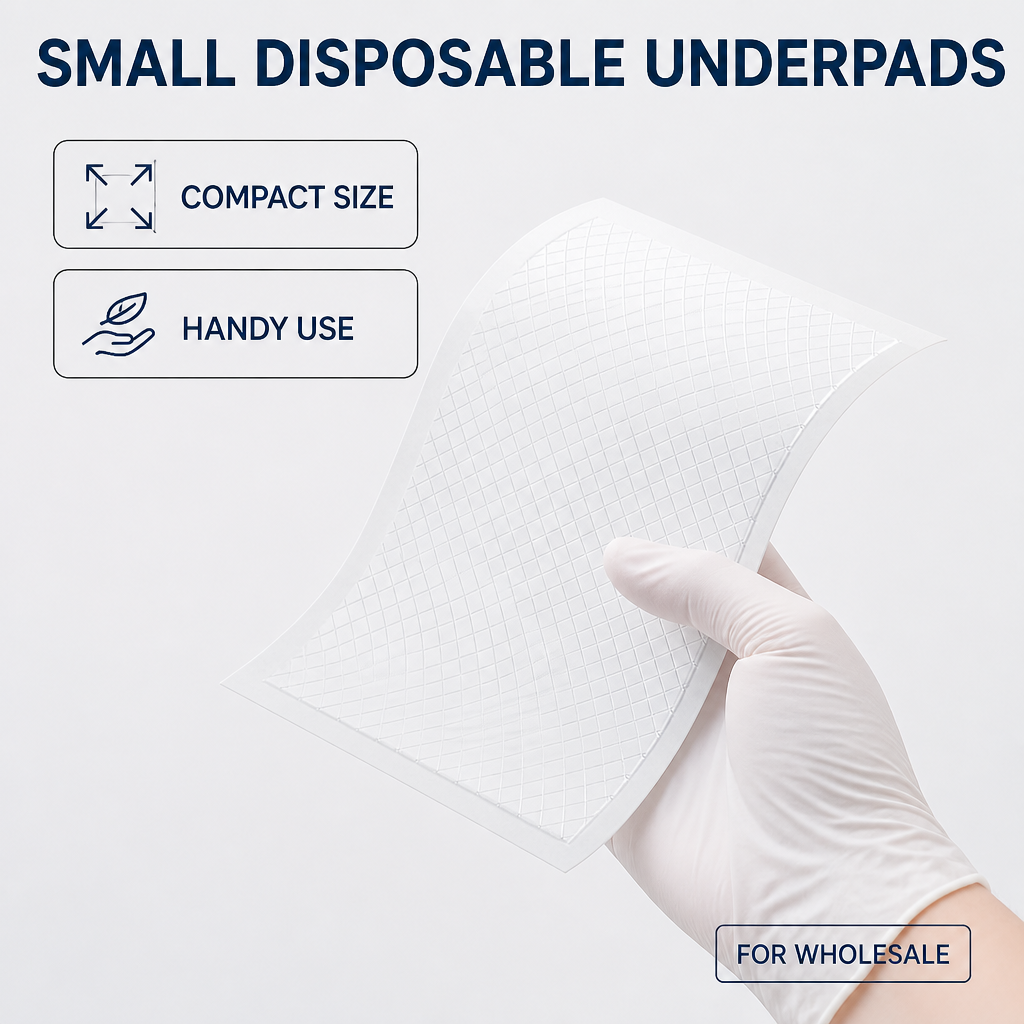
Quality comparison among small disposable underpads involves evaluating various factors such as manufacturing processes, certifications, and customer feedback. Here are critical aspects to consider:
Manufacturing Processes: Understanding the manufacturing capabilities can provide insight into the quality of the underpads. Look for manufacturers that operate under stringent quality control measures, including dust-free environments, which can influence product hygiene and reliability.
Certifications: Certifications such as ISO or compliance with national medical device standards indicate that the manufacturer adheres to industry best practices. These certifications can provide reassurance regarding the safety and effectiveness of the products.
Customer Feedback: Researching reviews and testimonials from other distributors can reveal real-world performance insights. Feedback on aspects such as absorbency, comfort, and durability can help you ascertain the reliability of different brands.
Sample Testing: Before committing to a bulk order, request samples to evaluate the product quality firsthand. Testing samples under actual usage conditions allows buyers to assess performance and suitability.
By systematically comparing these quality indicators, distributors can make informed decisions that enhance their product offerings.
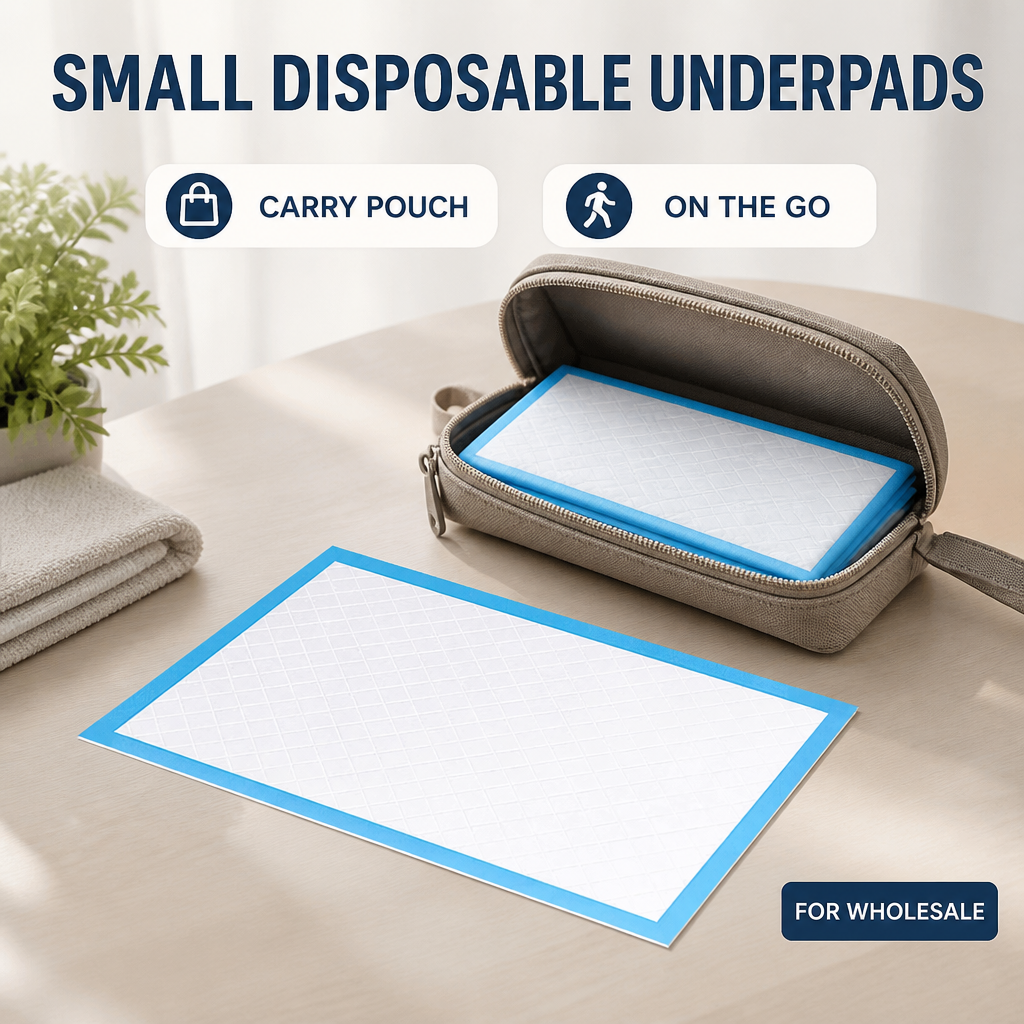
The choice of materials in small disposable underpads significantly impacts their performance. Here are key material advantages that can enhance product efficacy:
Non-Woven Fabric: Commonly used in the top layer, non-woven fabric provides a soft and comfortable surface against the skin while allowing moisture to pass through to the absorbent core quickly. This helps keep the surface dry, reducing the risk of skin irritation.
Superabsorbent Polymers (SAP): Incorporating SAP into the absorbent core can significantly increase the absorbency of underpads. These polymers can absorb many times their weight in liquid, making them ideal for use in high-absorbency environments. You might also explore options like Kimlead underpad for bed size large underpad absorbent incontinence underpad for enhanced absorbency.
Waterproof Backsheet: A reliable waterproof backing is essential for preventing leakage. Materials like polyethylene or laminated film provide a strong barrier to moisture, protecting surfaces from damage and ensuring cleanliness.
Breathable Materials: Some underpads feature breathable backings that allow air circulation while maintaining moisture control. This can help reduce the risk of skin breakdown and promote comfort for users who may be in contact with the underpad for extended periods.
Selecting underpads with the right material composition can significantly enhance performance and user comfort.
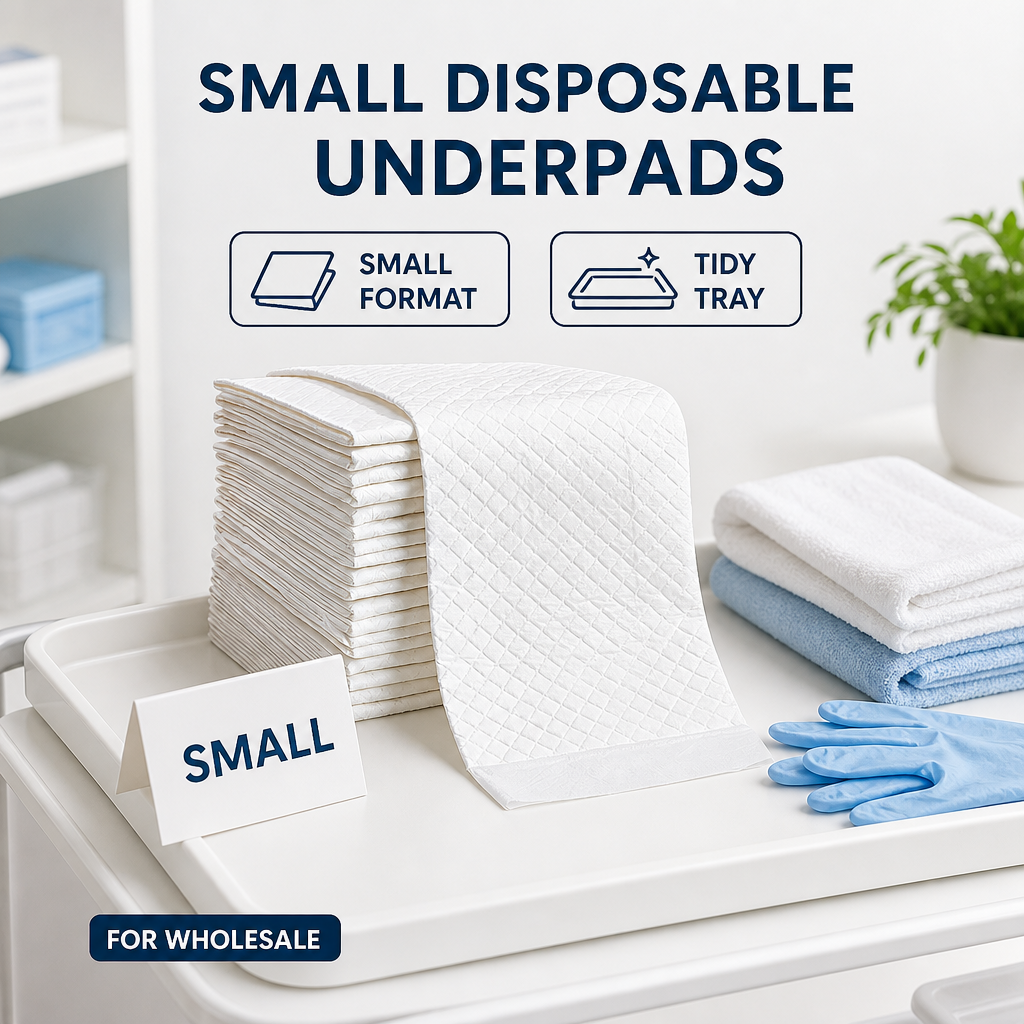
Supplier reliability is a critical factor when procuring small disposable underpads. Here are key considerations for evaluating potential suppliers:
Production Capacity: Understand the supplier's production capabilities and lead times. Suppliers with robust production capacities can handle bulk orders and ensure timely deliveries, which is crucial for maintaining inventory.
Customization Options: Some suppliers offer customization, including size variations or specific branding options. Evaluate whether the supplier can accommodate your unique requirements for packaging or design.
Experience and Reputation: Research the supplier's experience in the industry and their reputation among existing customers. A well-established supplier with a solid track record of delivering quality products can provide peace of mind.
Communication and Support: Assess the supplier's responsiveness and willingness to provide support throughout the purchasing process. Effective communication is essential for addressing any concerns or changes that may arise.
By conducting thorough evaluations based on these criteria, buyers can identify reliable suppliers that meet their specific needs.
Kimlead invests continuously in Incontinence pads to ensure market competitiveness. Our RD team is committed to the creation of new technology, materials, and methods to meet constantly changing requirements of the market. We've independently created a range of biodegradable products, adhering to eco-friendly production practices with degradable materials and energy efficient designs. Innovations we develop do not just improve the performance of products and efficiency, but also encourage sustainability and eco-friendly. We continuously seek out breakthroughs and strive to offer the most sophisticated and best quality products to our customers. Kimlead is a company that seeks out innovation and excellence.
Kimlead has a professional design team that is able to customize product design, appearance as well as size and color in accordance with the needs of customers. Our team is constantly in contact with customers to learn about their requirements and ensure that the final product is in line with their requirements. We provide quality adult hygiene products that are of the highest standard and provide OEM as well as ODM services based on our clients' specific brand requirements. From analyzing requirements to samples production, and finally to the mass production and delivery process Our process of Incont pads ensures each step is up to the most rigorous standards. By choosing Kimlead You will receive professional customization services that cater to your specific requirements.
Kimlead has Continence pad of experience in production and is able to provide high-end hygiene products. The factory, which covers 46,000 square meters, is outfitted with the latest production equipment. For example, Mitsubishi high-speed automatic production machines, equipped with fully-servo technology that can manufacture 200,000 products every day. Our manufacturing processes comply with international standards, and are endorsed by CE and FDA. ISO13485 and ISO9001 as well as ISO9001 also approve our products. Techmach's vision inspection system and tension system ensure that each product is thoroughly inspected at more than 200 points. Our manufacturing capacity not only guarantees efficient production but also accommodates large-scale order requirements, with a guarantee of rapid delivery. By selecting Kimlead you will benefit from our extraordinary manufacturing capabilities and efficient production processes.
Kimlead uses stringent quality control processes to ensure that each product meets Adult diapers Our manufacturing facility is equipped with an expert laboratory for testing as well as a quality control system that includes more than 30 different types of tests Our products are inspected according to international standards such as ISO and CE The raw materials we use are carefully selected to ensure that each batch meets the most stringent quality standards We do not just focus on product conformity but make a commitment to provide the most reliable and safe products for hygiene and ensuring our customers have satisfaction Kimlead products are of the highest standard and meet the highest standards
Understanding the technical aspects of small disposable underpads can facilitate more informed purchasing decisions. Here are several key technical insights:
Absorption Rate and Capacity Testing: Be aware that the absorption rate is a critical performance metric. Underpads should undergo standardized testing to determine how quickly they can absorb liquid and how much liquid they can hold. Buyers should confirm that the manufacturer provides data on these tests.
Durability Testing: Assessing the durability of the underpads is vital, particularly in high-use environments. Tests such as tensile strength or puncture resistance can indicate how well the underpads will perform under stress.
Compatibility with Other Products: Consider how the underpads will work in conjunction with other hygiene products. For example, if they are to be used with adult diapers, ensure their size and absorbency complement the diapers’ performance. Options like Adult pull up diapers patient care pull up diaper could be suitable companions.
Safety and Compliance Testing: It is important to verify that underpads are free from harmful substances and comply with relevant safety regulations. Ask suppliers for test results related to harmful chemicals or allergens to ensure the safety of users.
By integrating these technical insights into the purchasing process, buyers can make more informed decisions that align with their operational needs.
In summary, navigating the procurement of small disposable underpads involves a thorough evaluation of specifications, quality, material advantages, supplier reliability, and technical insights. By understanding these factors, B2B buyers can make informed decisions that enhance their product offerings and meet the needs of their customers effectively.

Kimlead Hygiene mainly produces adult diaper, adult pull up diaper, under pad, pet training pad, and operating international OEM/ODM business.
 EN