EN
EN

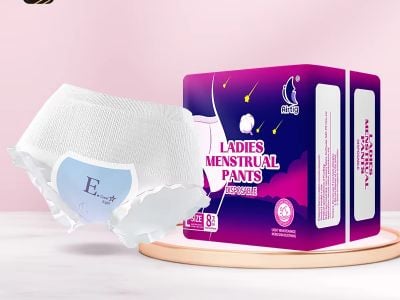
Panty diapers for light to heavy incontinence are essential products designed to provide comfort, security, and dignity for individuals facing varying levels of incontinence. These products cater to a diverse range of user needs, from those requiring minimal protection to those with more significant challenges. As a purchasing manager or distributor, understanding the nuances of panty diapers including the appropriate materials, specifications, and application scenarios is crucial for making informed decisions. This article will help guide you through selecting the right products for your end-users, ensuring you meet their needs effectively.
Choosing the Right Panty Diapers for Light to Heavy Incontinence
When selecting panty diapers, it's vital to consider the level of incontinence of the end-user. For light incontinence, products with lower absorbency can provide adequate protection while maintaining comfort and discretion. Typically, these products are thinner and more discreet, which is essential for active individuals. For those experiencing moderate to heavy incontinence, a thicker, more absorbent panty diaper is necessary. These products often incorporate advanced absorbent materials that can lock in moisture and odor, providing greater security. Additionally, features such as leg gathers, elastic waistbands, and breathable materials enhance comfort and prevent leakage. It's also crucial to evaluate the fit and size options available. Proper fit is essential to ensure that the panty adult diapers performs effectively, minimizes the risk of leaks, and maximizes comfort. Ensure that the products come in various sizes, catering to different body types and ensuring a snug yet comfortable fit.
Wholesale Supplier Options for Quality Panty Diapers
When sourcing panty diapers for resale or distribution, selecting a reputable wholesale supplier is essential. Look for manufacturers with established expertise in the hygiene products sector. Suppliers like Kimlead Hygiene Products offer OEM and ODM services, allowing you to customize products to meet specific market demands. Evaluate potential suppliers based on their manufacturing capabilities, including production equipment and quality control processes. A reliable supplier should have dust-free workshops that adhere to national medical device standards, ensuring that the products are manufactured in a clean environment. Additionally, inquire about their certifications and quality assurance practices, as these factors significantly impact product reliability. Keep an eye on lead times and minimum order quantities (MOQ) when negotiating with suppliers. Understanding these factors helps in planning your inventory management and ensuring you have sufficient stock to meet customer demands without over committing resources.
Evaluating Material Advantages in Panty Diapers for Distributors
The materials used in panty diapers play a critical role in their performance and user satisfaction. Common materials include non-woven fabrics, absorbent cores, and waterproof outer layers. For instance, non-woven fabrics are often used for their softness and breath ability, enhancing user comfort. The absorbent core is typically made of super absorbent polymer (SAP) combined with fluff pulp. This combination provides effective moisture locking capabilities, crucial for managing heavier incontinence. Moreover, the outer layer should be waterproof yet breathable, preventing leaks while allowing moisture vapor to escape, which reduces the risk of skin irritation. Distributors must also consider hypoallergenic materials, particularly for users with sensitive skin. Offering products made from such materials can meet a broader customer base's needs while reducing the risk of skin-related issues. Always verify that the materials align with the target demographic's requirements and preferences.
Cost Factors to Consider When Purchasing Panty Diapers in Bulk
Cost is a significant concern when purchasing panty diapers in bulk. Buyers should consider various factors that influence pricing, including the materials used, production processes, and order quantities. Higher-quality materials and advanced manufacturing techniques may lead to increased costs but often result in better product performance and user satisfaction. Understanding the pricing structure from suppliers can also help in negotiating better deals. Bulk purchasing often comes with discounts, but it's essential to balance cost with quality to avoid compromising the end-user experience. Additionally, consider shipping fees and delivery times, as these can affect the overall cost and timely availability of adult diapers for women. Another factor to consider is the shelf life of panty diapers. Products with a longer shelf life may offer better value, as they provide flexibility in inventory management. Always confirm the shelf life with the supplier to ensure that the products remain effective and safe for use upon delivery.
Application Scenarios for Panty Diapers in Healthcare Settings
Panty diapers have versatile applications in various healthcare settings, including hospitals, nursing homes, and home care environments. Understanding these scenarios helps buyers select the most suitable products for their end-users. In hospitals, panty diapers may be used for patients recovering from surgery or those with mobility issues, providing them with dignity and comfort. Nursing homes often require products that can handle heavy incontinence due to the demographics of the resident population. In these settings, choosing high-absorbency products with odor control features can significantly enhance the quality of life for residents. Home care environments also benefit from panty grown up diapers, especially for elderly individuals who wish to maintain their independence while managing incontinence. Products that are easy to put on and take off, such as pull-up styles, can be particularly beneficial in these scenarios. Additionally, educating caregivers about the best practices for changing and disposing of these products can ensure that they are used effectively and hygienically. In summary, understanding the specific needs of end-users and the contexts in which panty diapers will be used is crucial for making informed purchasing decisions. By considering the factors outlined, you can confidently select the right panty diapers for light to heavy incontinence, ensuring satisfaction for both your business and your customers.
Table of Contents
- Choosing the Right Panty Diapers for Light to Heavy Incontinence
- Wholesale Supplier Options for Quality Panty Diapers
- Evaluating Material Advantages in Panty Diapers for Distributors
- Cost Factors to Consider When Purchasing Panty Diapers in Bulk
- Application Scenarios for Panty Diapers in Healthcare Settings