EN
EN

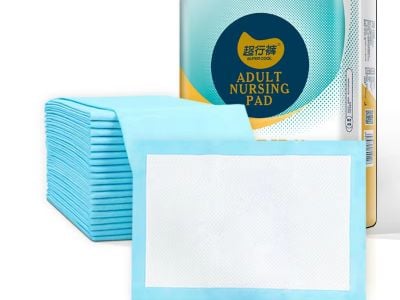
Night Time Incontinence Pants vs. Bed Pads for Pee: Which Fits Your Overnight Needs
Choosing the right solution for overnight incontinence can significantly impact comfort and hygiene. In the B2B sector, understanding the options specifically, the differences between night time incontinence pants and bed pads is crucial for purchasing managers and suppliers. Each product serves a distinct purpose and caters to different needs, affecting the overall care experience for users. This article aims to provide a clear comparison, helping you make informed decisions that align with your specific requirements in the incontinence product market.
What to Consider When Choosing Night Time Incontinence Pants?
When selecting night time incontinence pants, several factors should be taken into account. First, consider the level of absorbency required. Incontinence pants typically come with different absorbency ratings depending on the severity of the condition. It’s essential to evaluate the expected usage and select a product that can handle it without compromising comfort. Next, focus on the fit and comfort of the pants. A well-fitted garment prevents leaks and skin irritation. Look for features such as stretchy waistbands and leg cuffs that provide a secure yet comfortable fit. The material is also important; options like cotton or breathable synthetic fabrics can enhance comfort while providing necessary absorbency. Finally, think about the ease of use for both caregivers and users. Products that are easy to put on and take off can streamline care routines, especially for those with limited mobility. Understanding these considerations will ensure that the chosen incontinence pants meet both practical and comfort needs.
Where to Source Reliable Suppliers for Incontinence Products?
Finding trustworthy suppliers for incontinence products involves more than just a quick online search. Start by assessing manufacturers who specialize in hygiene products, particularly those with experience in adult incontinence solutions. Look for companies that have a solid reputation in the industry; check for reviews or testimonials from other B2B buyers. Once you’ve identified potential suppliers, inquire about their manufacturing capabilities. Reliable suppliers should have strict quality control processes in place, ideally supported by certifications that meet relevant national and international standards. Inquire about their production capacity and the ability to provide bed pads hospital solutions, which can be crucial for meeting specific client needs. Lastly, consider their logistics capabilities, such as shipping options and lead times. A supplier that can deliver promptly and efficiently will be invaluable in maintaining your inventory levels and ensuring customer satisfaction.
Night Time Pants vs. Bed Pads
Night time incontinence pants and bed pads serve different purposes and offer unique benefits. Incontinence pants are designed to be worn like regular underwear, providing full-body coverage and superior absorbency for active night-time use. They are particularly beneficial for individuals who require mobility without the inconvenience of additional bedding products. On the other hand, bed pads, or absorbent under pads, are placed on the bed to protect mattresses and bedding from leaks. They are generally used in conjunction with other incontinence products, such as diapers or pants, serving as an additional layer of security. Bed pads can be beneficial for patients who may experience leaks despite wearing incontinence pants, or for those who are bedridden. Ultimately, the choice between night time pants and bed pads for adults often depends on the user's lifestyle, level of mobility, and personal preferences. For comprehensive care, many facilities utilize both products to maximize protection and comfort.
Key Features of Incontinence Products
When evaluating incontinence products, several key features should be prioritized:
Absorbency Levels: The absorbency rating should align with the expected level of incontinence. Manufacturers often provide absorbency specifications; understanding these will help in selecting the right product.
Material Quality: High-quality materials contribute to comfort and skin health. Look for products made from soft, breathable fabrics to minimize the risk of skin irritation.
Fit and Design: An ergonomic design ensures that the product stays in place during use, reducing the risk of leaks. Check for features like elastic leg gathers and adjustable waistbands.
Odor Control: Effective odor control technology can enhance user confidence and comfort. Products that incorporate odor-neutralizing materials are often preferred.
Ease of Disposal: Consider the disposal method. Many products now come with disposal features that make them easier and more hygienic to discard.
Understanding these features can guide purchasing decisions, ensuring that the selected products meet the needs of end users effectively.
When to Use Incontinence Pants vs. Bed Pads?
The decision to use night time incontinence pants or bed pads often hinges on the specific circumstances of the user. Night time incontinence pants are ideal for those who require a discreet and comfortable solution, particularly active individuals who can manage their own hygiene. They are best used when the user is mobile and can easily change themselves if needed. Conversely, night time pull ups are recommended for users who are bedridden or require additional protection during sleep. They serve as a safety net to absorb any leaks that may occur, providing peace of mind for caregivers and users alike. Bed pads can also be utilized in conjunction with incontinence pants during exceptionally heavy nights or for users with unpredictable incontinence.
Ultimately, the choice should be based on a careful assessment of the user’s needs, mobility, and lifestyle, with the potential for a combination of both products to maximize comfort and protection. In summary, understanding the differences and applications of night time incontinence pants and bed pads is vital for making informed purchasing decisions. By considering factors like absorbency, fit, and the intended use of each product, you can better meet the needs of your clientele in the healthcare or caregiving sectors.
Table of Contents
- Night Time Incontinence Pants vs. Bed Pads for Pee: Which Fits Your Overnight Needs
- What to Consider When Choosing Night Time Incontinence Pants?
- Where to Source Reliable Suppliers for Incontinence Products?
- Night Time Pants vs. Bed Pads
- Key Features of Incontinence Products
- When to Use Incontinence Pants vs. Bed Pads?