EN
EN

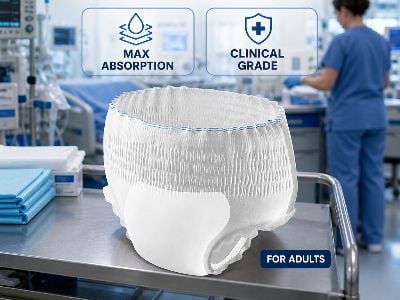
Incontinence care products, including adult diapers and pull-up pants, play a vital roles in providing comfort and dignity for individuals experiencing incontinence. For healthcare and retail buyers, understanding the quality and specifications of these products is critical to making informed purchasing decisions. This essential guide to incontinence care products like incontinence pads for healthcare and retail buyers will address key concerns such as product selection, supplier reliability, and common challenges in incontinence management, helping you navigate the complexities of this essential market.
How to Evaluate the Quality of Incontinence Care Products for Bulk Orders?
When evaluating the quality of incontinence care products for bulk orders, several key aspects should be considered. First, assess the material composition, as this directly affects comfort, absorbency, and skin health. For instance, breathable materials can reduce the risk of skin irritation, while high absorbency levels ensure that the product meets the needs of users throughout the day.
Next, verify the manufacturing standards. Reputable manufacturers, like Kimlead Hygiene Products, adhere to national medical device standards, ensuring that their production processes meet rigorous quality control measures. Look for certifications that indicate compliance with international safety and quality standards, as these can provide assurance of product reliability.
Additionally, consider the production capabilities of the supplier. A robust production capacity can ensure timely delivery and consistent quality, especially for large orders. Buyers should also request samples to evaluate performance in real-world conditions, focusing on aspects such as fit, comfort, and absorbency levels before committing to a bulk purchase.
Where to Find Reliable Suppliers of Incontinence Care Products?
Finding reliable suppliers of incontinence care products requires a strategic approach. Start by researching manufacturers with a strong reputation in the industry, prioritizing those that specialize in adult diapers and pull-up pants. Trade shows and industry exhibitions can offer valuable networking opportunities, allowing buyers to meet manufacturers face-to-face and discuss their needs.
Online platforms and B2B marketplaces can also provide a wealth of information. Look for suppliers with positive reviews, verified credentials, and a history of successful partnerships. It's advisable to request references and case studies from potential suppliers to understand their experience in meeting specific customer requirements.
Furthermore, consider suppliers that offer OEM and ODM services, as these options can provide customization tailored to your specific market needs. Engaging with manufacturers that are open to collaboration can lead to innovative product solutions like incont pads that better serve your end-users.
Comparing Specifications of Top Incontinence Care Products for Buyers
When comparing specifications of top incontinence care products, several factors come into play. Key specifications to consider include:
Absorbency Levels: The ability of the product to manage fluid volume is paramount. Check the absorbency rating, which is often expressed in milliliters or ounces.
Material Type: Different materials (e. g., non-woven fabric, polyethylene, or super absorbent polymers) can affect both comfort and performance. Choose materials that provide a balance between skin-friendliness and absorbency.
Size and Fit: Variations in size can significantly impact user comfort and leakage prevention. Ensure that the supplier offers a range of sizes to accommodate different body types.
Sealing Technology: Assess the type of sealing used in the products. Proper sealing can prevent leakage and enhance overall effectiveness, making it a critical specification to compare.
Buyers should also consider packaging methods and minimum order quantities (MOQ). Understanding these specifications allows for better alignment with distribution strategies and customer needs.
Installation Guidance for Incontinence Care Products in Healthcare Settings
Proper installation and application of incontinence care products in healthcare settings are crucial for maximizing their effectiveness. For healthcare providers, it’s essential to train staff on the correct application techniques, ensuring that products are fitted properly to minimize the risk of leaks and skin irritation.
Preparation: Ensure the area is clean and the individual is in a comfortable position. Gather all necessary supplies beforehand to streamline the process.
Fitting: When fitting adult diapers or pull-up pants, ensure that they sit snugly but comfortably. Check that there are no gaps at the waist or leg openings, as these can lead to leakage.
Adjusting: After application, verify the fit by gently tugging at the edges. The incontinence products should remain securely in place without causing discomfort.
Monitoring: Regularly check the condition of the product throughout its use. This helps in making timely changes and maintaining skin health.
Training staff on these procedures can ensure a higher standard of care and better outcomes for patients.
Common Problems in Incontinence Management and Effective Solutions
Incontinence management can pose several challenges, but understanding common problems can lead to effective solutions. One of the most prevalent issues is skin irritation, often caused by prolonged exposure to moisture. To mitigate this, consider products designed with moisture-wicking properties and breathable materials that promote airflow.
Another common issue is leakage, which can lead to embarrassment and decreased quality of life for users. Ensuring proper fit and sizing is essential. Products that offer adjustable features or a range of sizes can help reduce the risk of leaks.
Additionally, some users may experience discomfort due to the weight of the product. Lightweight options designed with advanced absorbent materials can provide comfort without compromising performance.
Finally, education on proper usage and management strategies, such as scheduling regular changes and monitoring skin condition, can significantly enhance the effectiveness of incontinence care products. Collaboration with suppliers who understand these challenges is key to finding the right solutions.
By keeping these considerations in mind, healthcare and retail buyers can make informed decisions when it comes to sourcing incontinence care products, ultimately improving outcomes for users in need.
Table of Contents
- How to Evaluate the Quality of Incontinence Care Products for Bulk Orders?
- Where to Find Reliable Suppliers of Incontinence Care Products?
- Comparing Specifications of Top Incontinence Care Products for Buyers
- Installation Guidance for Incontinence Care Products in Healthcare Settings
- Common Problems in Incontinence Management and Effective Solutions