EN
EN

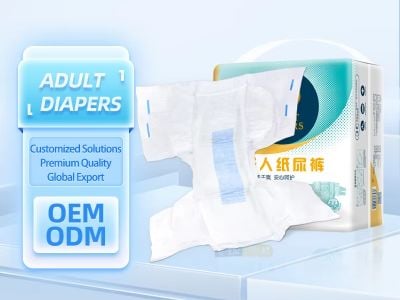
Custom made diapers are designed to meet specific needs, allowing for tailored features that enhance comfort, performance, and usability. As a key consideration for purchasing managers and product specialists, understanding how OEM (Original Equipment Manufacturer) and ODM (Original Design Manufacturer) processes work in a disposable diaper factory is crucial. This article will address essential buyer concerns, including quality assurance, specifications, and supplier evaluation, helping you make informed decisions when sourcing custom made diapers.
Choosing the Right Approach for Diapers
When selecting between OEM and ODM for custom made diapers, it's essential to understand the core differences. An OEM focuses on manufacturing diapers based on your designs and specifications. This means you provide the materials and designs, and the manufacturer executes the production. Conversely, ODM allows for greater collaboration; the manufacturer can also contribute to the design, providing expertise in materials and features that may enhance the final product. Choosing the right approach depends on your brand's capabilities and goals. If you have a strong design team and specific requirements, OEM might be the best route. However, if you're looking for innovation or don't have the resources for design, ODM could lead to cost-effective solutions and faster time-to-market.
Key Specifications to Consider for Custom Made Diapers in Bulk Orders
When ordering custom made diapers in bulk, several key specifications are critical:
Material Selection: The choice of materials affects absorbency, comfort, and skin safety. Common materials include breathable non-woven fabric for the outer layer, super absorbent polymers (SAP) for core absorbency, and a waterproof backing. Ensure the materials meet relevant safety standards, especially for sensitive skin.
Size and Fit: Diapers should be tailored to fit various body shapes and sizes. Providing detailed measurements for different sizes ensures the final product meets user expectations.
Absorbency Levels: Specify the desired absorbency capacity, which can vary based on the target market adult diapers may require different absorbency compared to baby diapers.
Sealing and Closure Mechanisms: Evaluate options for adhesive versus hook-and-loop closures. The sealing method impacts ease of use and leakage prevention.
Packaging Requirements: Consider how the good adult diapers will be packaged for retail or bulk distribution. Packaging that protects the product while also appealing to consumers can enhance marketability.
Understanding these specifications allows you to communicate effectively with suppliers, ensuring the final product aligns with your business requirements and customer expectations.
How to Evaluate Quality Standards for Disposable Diapers from Suppliers?
Quality assurance is paramount when sourcing custom made diapers. Here are key factors to consider:
Certifications: Verify that the supplier holds relevant certifications, such as ISO 13485 for quality management systems in medical devices. This indicates adherence to international quality standards.
Quality Control Processes: Investigate the supplier's quality control measures, including raw material inspection, in-process checks, and final product testing. A robust quality assurance program minimizes defects and ensures consistent product quality.
Sample Testing: Request samples before placing a bulk order. Testing these samples under actual conditions can help you assess performance, fit, and comfort. Pay attention to aspects such as absorbency, leakage prevention, and material softness.
Supplier Reputation: Research the supplier's track record and client feedback. Established suppliers will often have case studies or testimonials that can provide insight into their reliability and diapers adult diapers quality.
By rigorously evaluating these quality standards, you can mitigate risks associated with subpar products and ensure customer satisfaction.
Where to Source Reliable Suppliers for Custom Made Disposable Diapers?
Finding reliable suppliers for custom made disposable diapers can be a daunting task. Here are effective strategies to facilitate your search:
Industry Trade Shows: Attend relevant trade shows focused on hygiene products and manufacturing. These events provide an opportunity to meet suppliers, view their offerings, and establish direct relationships.
Online Marketplaces: Utilize B2B platforms like Alibaba or Global Sources. These platforms often feature supplier ratings and reviews, which can help identify reputable manufacturers.
Industry Associations: Join associations related to hygiene products or manufacturing. These organizations often have directories or can provide recommendations for trusted suppliers.
Referrals: Leverage your professional network for referrals. Colleagues in the industry may provide insights into their experiences with various suppliers, helping you make informed choices.
Direct Outreach: Research manufacturers online and reach out directly. Request information on their capabilities, minimum order quantities (MOQs), and production timelines. A proactive approach often yields fruitful partnerships.
By employing these strategies, you can find suppliers who meet your specific requirements and establish a foundation for a successful business relationship.
Common Problems in Diaper Manufacturing and Effective Solutions to Address Them
While working with suppliers, it's important to recognize common challenges in diaper manufacturing and how to effectively address them:
Material Sourcing Issues: Fluctuations in the availability of raw materials can affect production timelines. Establish strong relationships with multiple suppliers or stockpile critical materials to mitigate risks.
Production Delays: Delays can occur due to machinery breakdowns or labor shortages. Regular maintenance of equipment and maintaining a buffer inventory can help reduce lead times.
Quality Inconsistencies: Variability in product quality can arise from inadequate quality control processes. Collaborating with suppliers to enhance their quality assurance measures can lead to more consistent product outcomes.
Design Miscommunication: Misunderstandings in design specifications can result in unsatisfactory products. Clear and comprehensive communication, including technical drawings and detailed specifications, should be established before production begins.
Environmental Concerns: Increasingly, consumers are concerned about the environmental impact of adult diapers products. Collaborating with suppliers who prioritize sustainable practices and materials can enhance your brand's image and meet market demands.
By proactively addressing these common issues, you can streamline your supply chain and enhance the overall quality of your custom made diapers, ultimately leading to higher customer satisfaction and loyalty.
Table of Contents
- Choosing the Right Approach for Diapers
- Key Specifications to Consider for Custom Made Diapers in Bulk Orders
- How to Evaluate Quality Standards for Disposable Diapers from Suppliers?
- Where to Source Reliable Suppliers for Custom Made Disposable Diapers?
- Common Problems in Diaper Manufacturing and Effective Solutions to Address Them