EN
EN

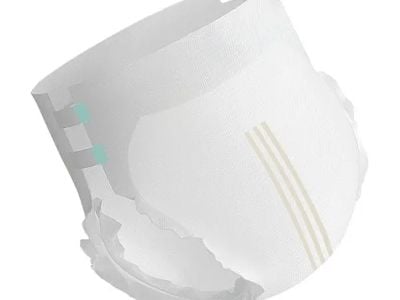
When selecting pull-up pants for elderly individuals, particularly for incontinence management, it's crucial to understand the common mistakes that can lead to dissatisfaction, discomfort, or inadequate protection. Buyers, including purchasing managers and distributors, often face challenges such as material selection, sizing, and performance requirements. This article aims to provide insights into those pitfalls, ensuring that B2B buyers make informed decisions that meet the needs of their clients.
Common Mistakes to Avoid When Choosing Pull Up Pants for Seniors
One of the most frequent mistakes buyers make is not considering the specific needs of the elderly population. For instance, many assume that all pull-up pants are universally suitable, neglecting factors such as mobility issues and skin sensitivity. Buyers should assess individual requirements, such as absorbency levels and ease of use.
Another common error is inadequate size evaluation. The adult diaper pants that are too tight can cause discomfort and skin irritation, while those that are too loose may leak. It’s essential to refer to sizing charts provided by manufacturers like Kimlead Hygiene Products, which are based on actual measurements rather than generalizations.
Failing to consider the material can also lead to poor product performance. For example, some materials may not provide adequate breathability, leading to skin issues, particularly in sensitive populations. Buyers should prioritize materials that are soft, breathable, and hypoallergenic to ensure comfort and minimize the risk of skin damage.
Evaluating Material Advantages in Pull Up Pants for Seniors
The choice of material significantly impacts the performance and comfort of pull-up pants. Common materials include cotton, polyester, and specialized non-woven fabrics, each with unique benefits. Cotton offers breathability and softness, making it a comfortable choice for prolonged wear. However, it may not provide the best moisture-wicking properties compared to synthetic options.
Polyester and other synthetic materials are often designed to be more absorbent and quicker-drying, which can be beneficial for managing incontinence. For example, certain advanced non-woven fabrics can provide high absorbency rates while remaining lightweight and discreet. Additionally, evaluating the material's barrier properties is crucial; a good barrier prevents leaks while allowing for air circulation, reducing the risk of skin irritation.
Buyers should also consider the environmental impact of the materials used. Sustainable pull up pants options may appeal to institutions focused on eco-friendly practices. When assessing material options, it's advisable to consult manufacturers about performance claims, testing data, and compliance with relevant health standards.
Installation Guidance for Distributors of Elderly Care Products
For distributors handling pull-up pants for elderly care, proper installation and fitting guidance are essential. First, familiarize yourself with the product specifications, including size ranges and absorbency levels. Clear labeling and informative packaging can assist caregivers in selecting the correct product.
Education is also a key component. Provide training sessions or informational resources for caregivers, emphasizing how to properly fit and help seniors don the pull-up sanitary pants. Demonstrating the correct way to wear them can reduce the risk of leaks and increase the comfort level for users.
Moreover, ensure that your distribution channels are equipped to handle returns or exchanges. Having a clear policy allows customers to reassess their choices without significant inconvenience. This approach not only builds trust but also enhances customer satisfaction.
Tips for Wholesale Buyers
Wholesale buyers should approach their purchases with a strategy, focusing on long-term partnerships with trusted manufacturers. When requesting quotes, it’s beneficial to provide detailed information about expected order volumes, delivery timelines, and any customization needs. This transparency allows manufacturers to offer more accurate pricing and service options.
Additionally, consider the total cost of ownership rather than just the unit price. Factors such as quality, durability, and anticipated returns can significantly affect overall expenses. A lower upfront cost may lead to higher long-term costs due to frequent replacements or customer dissatisfaction.
Buyers should also be proactive in requesting samples before finalizing large orders. Testing samples under actual usage conditions can reveal potential issues related to fit, absorbency, and comfort, securing a better outcome for the end-users.
Best Practices for Bulk Ordering Incontinence Products for Seniors
When bulk ordering pull-up pants for elderly individuals, a few best practices can streamline the process. First, establish minimum order quantities (MOQ) that align with your budget and storage capabilities. Understanding the production capacity of your manufacturer, such as Kimlead Hygiene Products, helps in planning orders that meet demand without excessive surplus.
Prioritize establishing a clear communication channel with your supplier. Regular updates on stock levels, production schedules, and potential delays can aid in inventory management and prevent stockouts.
It’s also wise to keep abreast of changing needs within the elderly community. Trends in materials, styles, and consumer preferences can shift, and being responsive to these changes will keep your offerings relevant.
Lastly, ensure that quality control measures are in place. Implementing regular inspections of incoming stock to verify adherence to specifications can prevent issues related to quality and performance before they reach the end-user.
By adhering to these guidelines, B2B buyers can enhance their procurement process for pull-up pants for the elderly, ensuring that they provide a product that meets the needs of their customers effectively.