EN
EN

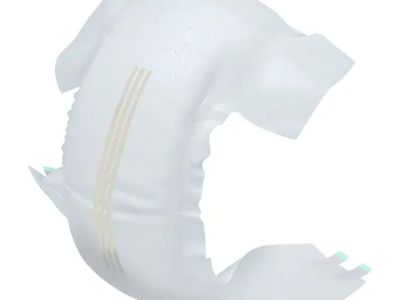
У сферы дапамогі пажылым людзям закупка адзення для дарослых з’яўляецца крывава важным пытаннем, якое напрамую ўплывае на камфорт, здароўе і гонар. Калі фахавыя спецыялісты ў гэтай вобласці ацэньваюць свае магчымасці, разуменне балансу паміж коштам, камфорцам і узроўнем убірання стае вырашальным. Гэтая артыкул пра закупку адзення для пажылых: баланс паміж коштам, камфорцам і ўзроўнем убірання правядзе кіраўнікоў па закупках, дыстрыбутараў і кіраўнікоў цэнтраў дапамогі праз асноўныя фактары, якія трэба ўлічваць пры закупцы такіх памошнікі для дoroшніх прадуктаў, забяспечваючы асведамлены выбар, які адпавядае як фінансавым абмежаванням, так і стандартам якасці.
Што трэба ўлічваць пры закупцы адзення для пажылых для аптовай закупкі?
Пры закупцы падгузноў для старэйшых людзей у аптовым парадку неабходна ўлічваць некалькі ключавых фактараў. Цана часта з'яўляецца асноўнай праблемай, але варта звярнуць увагу не толькі на кошт адзінкі. Ацаніце агульную кошт уласнасці, уключаючы дастаўку, мітныя пашлыны і магчымыя страты з-за поганага пасаду ці недакладнасці. Акрамя таго, варта ўлічваць рэпутацыю вытворцы і яго здольнасць забяспечваць пастаяннае якасць.
Спецыфікацыі прадукту, такія як узровень убірання, камфорт матэрыялаў і варыянты памераў, павінны адпавядаць патрэбам мэтавай дэмаграфічнай групы. Напрыклад, установа, якая абслугоўвае асоб з розным узроўнем рухомасці, можа патрабаваць шырокі дыяпазон памераў і ўзроўняў убірання. Акрамя таго, вельмі важна ацаніць працэсы кантролю якасці вытворцы, каб забяспечыць адпаведнасць нацыянальным стандартам медыцынскіх прылад, бо гэта напрамую ўплывае на надзейнасць прадукту і задаволенасць карыстальнікаў.
Як ацаніць якасць і ўбіранне падгузноў для старэйшых людзей?
Ацэнка якасці і ўбіральнасці падгузкоў для старэйшага ўзросту ўключае праверку некалькіх ключавых спецыфікацый. Убіральнасць звычайна вымяраецца ў мілілітрах (мЛ) і паказвае, колькі вадкасці можа ўтрымаць найлепшыя памперсы для вырастаных да таго, як пачнецца праток. Пакупнікі павінны патрабаваць дадзеныя аб тэстах убіральнасці, каб зразумець працу вырабу ў рэальных умовах.
Матэрыялы, выкарыстоўваемыя пры вытворчасці падгузкоў, таксама іграюць важную ролю ў камфорце і ўбіральнасці. Да асноўных матэрыялаў адносяцца суперубіральныя палімеры (SAP), якія павышаюць утрыманне вадкасці, забяспечваючы пры гэтым сухую паверхню. Пакупнікі павінны даведацца пра мяккасць унутранай падкладкі і пранікальнасць знешняга слоя, бо гэтыя фактары істотна ўплываюць на камфорт карыстальніка.
Таксама варта звярнуць увагу на пасадку і канструкцыю падгузкоў. Добры пасад зменшвае рызыку пратокаў і раздражненняў скуры. Інструкцыі па памерах ад вытворцаў павінны быць зразумелымі, і перад размяшчэннем аптовага заказу рэкамендуецца запытаць узоры для ацэнкі пасадкі і камфорту.
Асноўныя тэхнічныя характарыстыкі для параўнання
Пры параўнанні падгузкоў для людзей старшага ўзросту звярніце ўвагу на наступныя асноўныя тэхнічныя характарыстыкі:
Узровень убірання: шукайце прадукты, якія пазначаюць працягласць убірання ў мл. Больш высокія лічбы паказваюць лепшую працу пры цяжкай нястрымальнасці.
Склад матэрыялаў: ацаніце матэрыялы, выкарыстоўваныя для ўнутраных і знешніх пластоў. М’яккія, гіпоалергеннія матэрыялы пераважней для чулай скуры.
Варыянты памераў: пераканайцеся, што вытворца прапануе шэраг памераў для адпаведнасці розным тыпам цела — гэта крытычна важна для камфорту і эфектыўнасці.
Некаторыя найпапулярнішыя памячкікі для дoroслых маюць індыкатар вільготнасці, які змяняе колер, калі прыходзіць час змяніць падгузок. Гэтая функцыя можа павялічыць эфектыўнасць догляду.
Абарона ад пракачванняў: праверце канструкцыйныя элементы, прызначаныя для прадухілення пракачванняў, такія як эластычныя бурткі вакол наг і пояса.
Упакоўка: упакоўка павінна быць раслітавана для лёгкага абслужвання і захоўвання, асабліва ў умовах высокай нагрузкі, напрыклад, у дамах прастарэлых.
Сертыфікаты: праверце наяўнасць адпаведных сертыфікатаў, якія пацвярджаюць, што прадукт адпавядае стандартам бяспекі і якасці.
Кіраўніцтва па ўстаноўцы для дыстрыбутараў тавараў для старэйшага ўзросту — падгузкоў
Дыстрыбутары адыгрываюць ключавую ролю ў забеспячэнні эфектыўнай паставак падгузкоў для старэйшага ўзросту ў ўстановы прыгляду. Правільная ўстаноўка і навучанне карыстацца прадуктам могуць павялічыць яго эфектыўнасць і палепшыць уражанні карыстальніка. Дыстрыбутары павінны прадастаўляць зразумелыя рэкамендацыі па правільным надзяванні падгузкоў, акцэнтуючы ўвагу на важнасці выбару памеру і рэгулявання для атрымання аптымальнага пасаду.
Навучальныя сесіі таксама могуць уключаць інфармацыю пра значэнне счасоўнай змены падгузкоў і правільных метадаў іх збору, што спрыяе падтрыманню гігіены і камфорту для карыстальнікаў. Акрамя таго, зваротная сувязь паміж дыстрыбутарамі і ўстановамі прыгляду дазваляе ўдасканаліць выбар прадуктаў на аснове вопыту карыстальнікаў і выклікаў, з якімі яны сутыкаюцца.
Даследаванне сцэнарыяў выкарыстання падгузкоў для старэйшага ўзросту ў ўстановах прыгляду
Зразумець сцэнары ўжывання дыяпераў для пажылых людзей у ўстановах аховы здароўя неабходна для прыняцця абгрунтаваных рашэнняў аб закупцы. Розныя асяроддзі, такія як домы для пажылых людзей, установы з дапамогай у жыцці ці ўмовы дамашняй аховы, могуць мець розныя патрэбы.
У домах для пажылых людзей, дзе персанал можа дапамагаць рэзідэнтам з заменай дыяпераў, вельмі важна выбраць прадукты, якія лёгка выкарыстоўваць і забяспечваюць надзейную убіральнасць. Прадукты з функцыямі, такімі як індыкатары змочвання, могуць дапамагчы апекунам больш эфектыўна кантраляваць частату замены.
У асяроддзях з дапамогай у жыцці, дзе рэзідэнты могуць мець больш незалежнасці, камфорт і дыскрэтнасць становяцца прыярытэтамі. Дыяперы, распрацаваныя так, каб быць дыскрэтнымі пад адзеннем, могуць павысіць гонар карыстальнікаў.
У сцэнары дамашняй аховы можа спатрэбіцца засяродзіцца на пераноснасці і лёгкасці выкарыстання для сямейных апекуноў. У гэтым выпадку лёгкая ўпакоўка і канструкцыі, якія лёгка адкрываюцца, значна паляпшаюць карыстацкі вопыт.
Звыраўняўшы характарыстыкі прадуктаў з канкрэтнымі патрэбамі ў кожнай сітуацыі выкарыстання, пакупнікі могуць забяспечыць тое, каб іх рашэнні аб закупцы палепшылі якасць жыцця для людзей старшага ўзросту.
Эфектыўная закупка дыяпераў для людзей старшага ўзросту патрабуе ўважлівага разумення такіх фактараў, як кошт, камфорт і ўзровень убірання. Разглядаючы апісаныя спецыфікацыі, ацэньваючы якасць і разумеючы сітуацыі выкарыстання, пакупнікі могуць прымаць абгрунтаваныя рашэнні, якія адпавядаюць патрэбам карыстальнікаў і адначасова дотрымліваюцца бюджэтных абмежаванняў.
Змест
- Што трэба ўлічваць пры закупцы адзення для пажылых для аптовай закупкі?
- Як ацаніць якасць і ўбіранне падгузноў для старэйшых людзей?
- Асноўныя тэхнічныя характарыстыкі для параўнання
- Кіраўніцтва па ўстаноўцы для дыстрыбутараў тавараў для старэйшага ўзросту — падгузкоў
- Даследаванне сцэнарыяў выкарыстання падгузкоў для старэйшага ўзросту ў ўстановах прыгляду